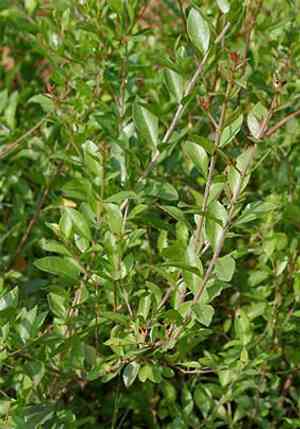
Egyptian-privet (Lawsonia inermis)
Also known as: Mignonette tree
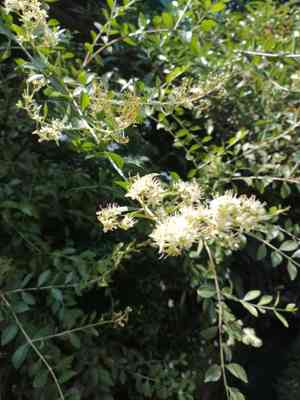
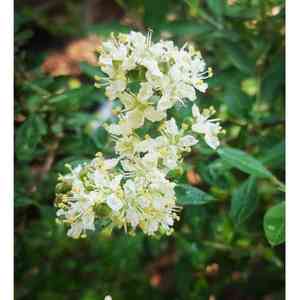
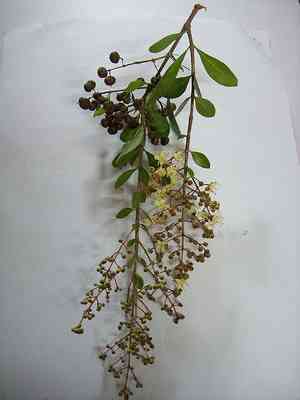
The Egyptian-privet (Lawsonia inermis), also called the henna tree, is a shrub or multi-stemmed tree that typically reaches a height of 1.8 to 5 meters (6 to 16 feet). It produces fragrant white flowers in late spring or early summer. This plant is well-suited to warm, dry climates and is both heat and drought-tolerant. The leaves are used to make henna dye. In some regions, such as China and Cuba, it has become an invasive species.
In This Article
Attributes of Egyptian-privet
Lifespan
Perennial
Plant Type
Tree, Shrub
Plant Height
2 m to 6 m
Spread
1.5-4 meters
Leaf Color
Green
Flower Size
6 mm to 1 cm
Flower Color
White Yellow Green Cream
Images of Egyptian-privet
Quickly Identify Egyptian-privet
1
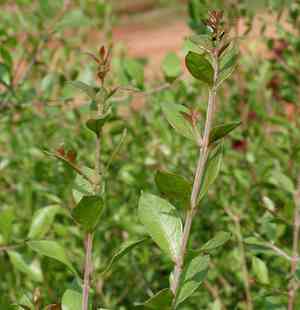
Henna plants can be identified by their small, fragrant flowers that are white or red and their oval, opposite leaves. The plant often forms a multi-branched shrub.
Scientific Classification of Egyptian-privet
Phylum
Vascular plants
Class
Dicotyledons
Order
Myrtle order
Family
Loosestrife
Genus
Lawsonia
Species
Egyptian-privet
Planting and Growing of Egyptian-privet
Care Difficulty
Easy
Watering Schedule
Every 2 days
Sunlight Requirements
Full sun
Sunshine Duration
4-8 hours
Ideal Temperature
75-85℉
Soil Type
Potting Mix, Peat Mix
Soil pH
6.5-7.5
Fertilizer Type
Balanced
Pruning Season
Spring, Summer
Pruning Area
Branches, Leaves
Pruning Frequency
2 times a year
Repotting Season
Spring
Pot Type
Plastic, Ceramic
 How to Water Egyptian-privet?
Lawsonia inermis, commonly known as henna, thrives best when it is watered adequately. It's important to soak the soil thoroughly, ensuring 500ml each watering session without causing waterlogging. Adequate watering means the soil should be damp but not soggy, providing the roots with enough moisture to sustain healthy plant growth.
What are the symptoms of an underwatered Egyptian-privet?
›
What should I do if my Egyptian-privet is not getting enough water?
›
What are the symptoms of an overwatered Egyptian-privet?
›
How to save an overwatered Egyptian-privet?
›
 What Are the Sunlight Requirements for Egyptian-privet?
Lawsonia inermis flourishes in 6 to 8 hours of full to partial sun exposure. Ideal lighting ensures vigorous growth, vibrant leaf color, and optimal flowering potential by maintaining consistent photosynthetic activity and healthy plant development.
More About Sunlight Requirements Techniques→
What light conditions does Lawsonia inermis prefer?
›
How can I ensure optimal light for my Lawsonia inermis indoors?
›
What benefits will Lawsonia inermis gain from ideal lighting?
›
 What Is the Ideal Temperature Range for Egyptian-privet?
For optimal growth, Lawsonia inermis thrives best in warm conditions, ideally between 75°F and 85°F. This warm range ensures that the plant can perform photosynthesis efficiently and maintain healthy growth. The temperature range allows for robust leaf development and optimum pigment production, crucial for the plant's vibrant characteristics.
 What Soil is Best for Egyptian-privet?
Lawsonia inermis thrives in well-drained soil, which prevents waterlogging that can damage root systems. This condition ensures the plant receives adequate oxygen at its roots, promoting robust growth and reducing the risk of root rot. This plant prefers soils rich in organic matter. The nutrients enhance growth and improve the plant's resilience against pests and adverse weather, ensuring vibrant and healthy foliage. While Lawsonia inermis enjoys well-drained soil, it also benefits from moderate moisture. This balance ensures that the plant remains hydrated, supporting photosynthesis and overall plant health, especially in dry climates.
 How to Fertilize Egyptian-privet?
For Lawsonia inermis, maintaining the right amount of fertilizer is crucial. Use a balanced liquid fertilizer, diluted to half strength, during the growing season. Each application should be sufficient to lightly moisten the soil without waterlogging it. Adjust the amount based on the plant's response, ensuring not to overwhelm the root system with excess nutrients.
 How to Prune Egyptian-privet?
Start by inspecting the plant and identifying any dead or diseased branches. Using sharp, sterilized pruning shears, remove these first. Trim back the overgrown branches to shape the plant, cutting just above a leaf node or bud. This encourages new growth and maintains a compact shape. For a denser bush, trim back longer branches by about one-third of their length. Always make clean cuts to reduce the risk of disease.
More About Pruning Techniques→
 How to Propagate Egyptian-privet plant?
1
To propagate Lawsonia inermis by seeds, begin by filling a seedling tray with a well-draining seed-starting mix. Sow the seeds shallowly and keep them moist but not waterlogged. Place in a location with plenty of indirect sunlight.
2
For cutting propagation, use sharp shears to take 4-6 inch cuttings from a healthy Lawsonia inermis plant. Remove lower leaves and dip the cut end in rooting hormone to promote root development.
3
Insert the prepared cuttings into a pot filled with moist perlite or a seed-starting mix. Cover the pot with a plastic bag to maintain humidity and place it in a warm, bright area but out of direct sunlight.
 How to Repot Egyptian-privet plant?
1
Repotting Lawsonia inermis should be considered when the roots start to outgrow the current pot, emerging through the drainage holes, or when the soil becomes depleted of nutrients and starts compacting. Another signal is when the plant shows reduced growth or wilting despite adequate care. These are clear indicators that the plant needs more space to breathe and absorb nutrients efficiently.
2
Choose a pot that is one size larger than the current one and has plenty of drainage holes. The extra space in the new pot allows for root expansion, which is vital for the plant's overall health and growth. Porous materials like terracotta may be ideal as they allow better respiration of the roots and prevent waterlogging.
3
Select a well-draining sandy loam soil as it provides the necessary balance of moisture and air circulation for Lawsonia inermis. This type of soil prevents water retention issues that could lead to root rot, while also supplying enough nutrients for healthy plant development.
Learn More About Egyptian-privet Diseases
Anthracnose
Bacterial Leaf Spot
Bacterial Soft Rot
Bacterial Wilt
Chemical Injury
Crown Gall
Damping-off
Drought Stress
Fusarium Wilt
Gray Mold
Leaf Curl
Leaf Spot
Mosaic
Nutrient Deficiency
Nutrient Toxicity
Powdery Mildew
Root Rot
Root-knot Nematode
Rusts
Sooty Mold
Spider Mites
Temperature Stress
Thrips Damage
White Mold



