Topped lavender(Lavandula stoechas)

Topped lavender (Lavandula stoechas)

Also known as: Butterfly lavender, Fringed lavender

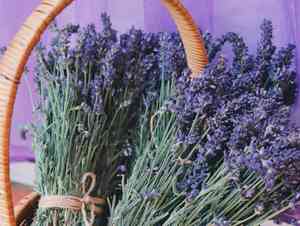
Evergreen-topped lavender shrubs produce flowers in spring and summer, drawing in bees and butterflies. They are suitable for both gardens and containers. The fragrant flowers and leaves are often used in potpourri and essential oils, and they can also be used in insecticides.

Attributes of Topped lavender

Lifespan
Perennial, Annual
Plant Type
Herb, Shrub
Plant Height
30 cm to 1 m
Spread
60 cm to 90 cm
Leaf Color
Green Gray Silver
Flower Size
2.5 cm
Flower Color
Purple White Pink Violet Blue

PlantJoy - Identify plants with a snap

Identify and diagnose plants, get toxicity alerts, and explore safety guides for all types of fungi.

Try for Free

Images of Topped lavender

Topped lavender(Lavandula stoechas)

Quickly Identify Topped lavender

1
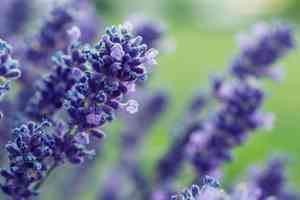
Dark purple flower spikes measuring 2-3 inches (5-8 cm) in length.
2
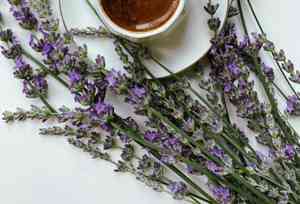
Linear leaves with a silver-green to greyish-green color, 1-2 inches (2.5-5 cm) long.
3
Distinctive aroma emitted by flowers, blooming from late spring to early summer.
4
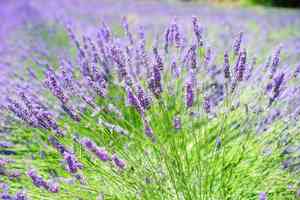
Perennial sub-shrub reaching heights of up to 24 inches (61 cm).
5
Grey-green foliage providing a soft contrast to vibrant purple flowers.

Scientific Classification of Topped lavender

Phylum
Vascular plants
Class
Dicotyledons
Order
Lamiales
Family
Mint
Genus
Lavender
Species
Topped lavender

Planting and Growing of Topped lavender

Care Difficulty
Easy
Watering Schedule
Every 2 days
Sunlight Requirements
Full sun
Sunshine Duration
4-8 hours
Ideal Temperature
60-80℉
Soil Type
Potting Mix, Peat Mix
Soil pH
6.5-7.5
Fertilizer Type
Balanced
Pruning Season
Spring, Summer
Pruning Area
Branches, Leaves
Pruning Frequency
2 times a year
Repotting Season
Spring
Pot Type
Plastic, Ceramic

water icon How to Water Topped lavender?

Lavandula stoechas prefers to be watered deeply but infrequently. When watering, ensure the soil is soaked to a depth of about 2-3 inches but allow it to dry out completely before the next watering. This prevents root rot and mimics its natural arid habitat.
What are the symptoms of an underwatered Topped lavender?
What should I do if my Topped lavender is not getting enough water?
What are the symptoms of an overwatered Topped lavender?
How to save an overwatered Topped lavender?
More About Watering Techniques

sunlight icon What Are the Sunlight Requirements for Topped lavender?

Sunlight Requirements: Full sun
Duration of light: 6 to 8 hours
Lavandula stoechas thrives in full sun exposure, which is optimal for its natural growth and flowering. Adequate light ensures robust growth, vibrant flowers, and a strong, aromatic presence, characteristics this plant is cherished for.
How much sun does Lavandula stoechas need?
What happens if it doesn't get enough sunlight?
How to improve its light exposure?
More About Sunlight Requirements Techniques

temperature icon What Is the Ideal Temperature Range for Topped lavender?

Ideal Temperature: 60 ~ 80℉
The ideal temperature range for Lavandula stoechas lies between 60°F and 80°F. This range ensures optimal growth, allowing the plant to thrive and flourish. Temperatures below 60°F may slow down its growth, while those above 80°F could lead to stress, impacting its overall health.

soil icon What Soil is Best for Topped lavender?

Soil type: Sandy soil, Loam, Calcareous soil
Soil PH: 6.5 ~ 7.5
Lavandula stoechas thrives in well-draining soil which prevents water from pooling around its roots, reducing the risk of rot. Such soil mimics its native Mediterranean environment, particularly beneficial in maintaining healthy and vibrant plants. This plant prefers moderately fertile soil, indicating it doesn't require overly rich nutrients. A balanced nutrient availability supports steady growth without encouraging excessive foliage at the expense of blooms. The ideal pH range of 6.5 to 7.5 for Lavandula stoechas allows it to access necessary nutrients. Neutral to slightly alkaline conditions benefit its overall health and flowering capacities. More About Soil

fertilize icon How to Fertilize Topped lavender?

Fertilizer type: Balanced
For Lavandula stoechas, use a balanced liquid fertilizer diluted to half strength. Apply approximately 50 ml per plant, ensuring not to over-saturate the soil. Solid fertilizers in granular form should be applied at a rate of about 25-30 grams per square meter of plant bed. Adjust amounts depending on plant size and growth cycle. More About Fertilizing Techniques

prune icon How to Prune Topped lavender?

Pruning Time: Spring, Summer
Carry out pruning in the morning, on a dry day to reduce the risk of disease. Use clean, sharp shears to make precise cuts, fostering healthy recovery. Be mindful of waiting until after the last frost for the spring pruning to prevent frost damage to new growth. While pruning is essential, avoid over-pruning as it can stress the plant or lead to bare patches. Remove only about one-third of the foliage at a time, which will allow the plant to photosynthesize efficiently and recover more rapidly. More About Pruning Techniques

propagate icon How to Propagate Topped lavender plant?

Propagate Time: Spring,Late spring,Early spring,Summer
1
Choose a well-draining seed starting mix and fill the seed trays, ensuring they are moistened but not waterlogged. Lightly press the seeds into the soil, without burying them too deep.
2
Select healthy, disease-free stems and make a clean cut below a node. Remove lower leaves and any flowers to conserve energy for root development. Dip the cut end in rooting hormone to enhance root growth.
3
Divide mature plants by lifting the entire clump and separating it into smaller sections, each with roots attached. This method helps rejuvenate older plants and encourages robust growth.
More About Propagating Techniques

repot icon How to Repot Topped lavender plant?

Repotting frequency: Every 2-3 years
1
Lavandula stoechas signals a need for repotting when it outgrows its pot, exhibiting roots growing through drainage holes or visibly stunted growth. Ensure this process is undertaken during its active growth periods in spring or autumn to minimize stress.
2
Select a pot that is 2-3 inches larger in diameter than the current one. Ensure it has ample drainage holes to prevent waterlogged soil, which could cause root rot. A terracotta pot is ideal, as it enhances air circulation around the roots.
3
Opt for a well-draining sandy soil mix to mimic the natural habitat of Lavandula stoechas. This soil allows excess water to escape, preventing overwatering, which can lead to root rot. Such a mix provides essential aeration, critical for optimal root health.
More About Repotting Techniques

PlantJoy - Identify plants with a snap

Find the best spots for them to optimize their health, simply using your phone.

Try for Free

Toxicity of Topped lavender

Is Topped lavender toxic to cat?

Topped lavender poses a toxic threat to cats. If felines accidentally ingest the plant's flowers or leaves, they can experience poisoning. Symptoms might include signs of physical discomfort or sickness, necessitating prompt veterinary care. To protect pets, it is essential to restrict their access to all parts of topped lavender, particularly the flowers and leaves that harbor toxic substances. In the case of poisoning, immediate transportation to a veterinary clinic is crucial for the health and recovery of the cat.

Is Topped lavender toxic to dog?

Topped lavender is regarded as hazardous to dogs. If dogs inadvertently ingest components of this plant, especially the flowers and leaves, they may experience poisoning. Symptoms that may appear after consuming topped lavender include gastrointestinal distress, vomiting, diarrhea, lethargy, and in more critical cases, severe reactions based on the quantity ingested. It is imperative for dog owners to keep a vigilant eye on their pets and restrict their access to topped lavender to prevent any accidental consumption. Should there be a suspicion of poisoning by topped lavender, it is vital to seek prompt veterinary assistance to ensure the best possible recovery for the pet.

Identify toxic plants for your safety

Learn which plants are harmful to you and your pets, and make informed choices for a safer home!

Try for Free
WARNING
The judgment on toxicity and danger is for reference only. We DO NOT GUARANTEE any accuracy of such judgment. Therefore, you SHALL NOT rely on such judgment. It is IMPORTANT TO SEEK PROFESSIONAL ADVICE in advance when necessary.
More About Toxic Techniques