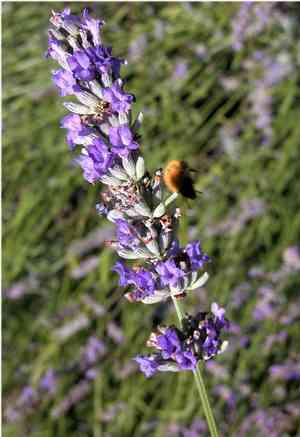
Spike lavender (Lavandula latifolia)
Also known as: Portuguese lavender, Common lavender
Spike lavender (Lavandula latifolia) features blue-gray flowers and a pronounced camphor scent, distinguishing it from the purple flowers of French lavender (Lavandula stoechas) and true lavender (Lavandula angustifolia). Its essential oil is commonly utilized in soaps, perfumes, and aromatherapy.
In This Article
Attributes of Spike lavender
Lifespan
Perennial
Plant Type
Shrub
Plant Height
30 cm to 80 cm
Spread
1.2 m
Leaf Color
Green Gray
Flower Size
1 to 2 centimeters
Flower Color
Purple Blue
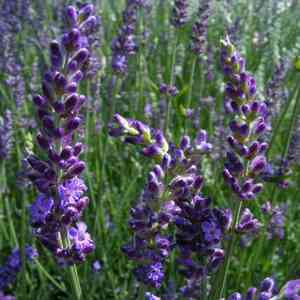
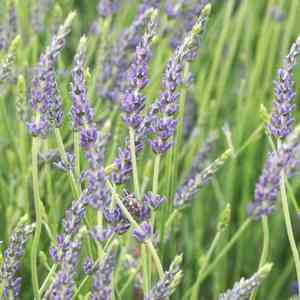
Images of Spike lavender
Quickly Identify Spike lavender
1
Lavandula latifolia can be identified by its broad leaves, which are gray-green in color, and its long flowering spikes with pale purple or blue flowers. It also exudes a strong camphor scent when the leaves or flowers are crushed.
Scientific Classification of Spike lavender
Phylum
Vascular plants
Class
Dicotyledons
Order
Lamiales
Family
Mint
Genus
Lavender
Species
Spike lavender
Planting and Growing of Spike lavender
Care Difficulty
Easy
Watering Schedule
Every 2 days
Sunlight Requirements
Full sun
Sunshine Duration
4-8 hours
Ideal Temperature
60-75℉
Soil Type
Potting Mix, Peat Mix
Soil pH
6.5-7.5
Fertilizer Type
Balanced
Pruning Season
Spring, Summer
Pruning Area
Branches, Leaves
Pruning Frequency
2 times a year
Repotting Season
Spring
Pot Type
Plastic, Ceramic
 How to Water Spike lavender?
When watering Lavandula latifolia, ensure you provide enough water to moisten the soil thoroughly but avoid waterlogging. The general rule is to allow the top inch of the soil to dry out before re-watering. Typically, about 200 milliliters of water per session should suffice, depending on pot size and environmental conditions.
What are the symptoms of an underwatered Spike lavender?
›
What should I do if my Spike lavender is not getting enough water?
›
What are the symptoms of an overwatered Spike lavender?
›
How to save an overwatered Spike lavender?
›
 What Are the Sunlight Requirements for Spike lavender?
Lavandula latifolia flourishes in full sun, ideally 6 to 8 hours daily. This exposure supports photosynthesis and healthy growth, enhancing its foliage and aromatic flower production, crucial for its ornamental and practical qualities.
More About Sunlight Requirements Techniques→
What is the ideal amount of sunlight for Lavandula latifolia?
›
How can I ensure my Lavandula latifolia gets ideal lighting?
›
What are the benefits of providing ideal lighting conditions?
›
 What Is the Ideal Temperature Range for Spike lavender?
The ideal temperature range for Lavandula latifolia, commonly known as broadleaf lavender, is between 60 and 75 degrees Fahrenheit. At these temperatures, the plant thrives as it mimics the mild climates found in its native Mediterranean habitat. These conditions promote optimal photosynthesis and flowering, ensuring the plant's vibrant growth and scent production.
 What Soil is Best for Spike lavender?
Lavandula latifolia requires well-drained soil to thrive. This condition helps to prevent root rot and ensures that the plant does not sit in water, thereby maintaining healthy roots. While lavender does not require highly fertile soil, a moderate level of nutrients helps in supporting its growth and promoting abundant flowering. This plant prefers slightly alkaline conditions, which enhances essential oil production, leading to a more fragrant plant.
 How to Fertilize Spike lavender?
For Lavandula latifolia, moderate fertilization is key to its healthy growth. A balanced liquid fertilizer with a ratio of 10-10-10 should be diluted to half its strength and used as this plant prefers a less aggressive feeding schedule. Over-fertilizing can result in lush foliage at the expense of blooms.
 How to Prune Spike lavender?
Begin by removing any dead or diseased parts of the plant. Next, trim the flower stalks back to the leaf node underneath. Ensure that you do not cut into the woody stems, as the plant may not regrow from these. To maintain a rounded shape, lightly trim the sides, rounding off the top of the plant. Always leave green growth as Repeated heavy pruning into old growth can weaken the plant. After pruning, water the plant lightly to help it recover, but avoid over-watering. Mulching around the base can help retain moisture and suppress weeds. Monitoring for signs of shock or disease is vital after pruning.
More About Pruning Techniques→
 How to Propagate Spike lavender plant?
1
Choose healthy and mature Lavandula latifolia plants as the source of your cuttings. This ensures that your cuttings have the best chance of rooting successfully and developing into strong, healthy plants.
2
Take cuttings that are about 3-4 inches long from the non-flowering stems. Remove excess leaves and gently scrape the lower stem to expose the cambium, which will facilitate quicker root development.
3
Use a well-draining soil mixture, such as a combination of perlite and peat moss, to provide a hospitable environment for root development. Moisten the medium before inserting the cuttings.
 How to Repot Spike lavender plant?
1
Repot Lavandula latifolia when you notice roots coming out of the drainage holes or when the growth appears stunted despite good care. These are signs that the plant has outgrown its current pot and requires more space to thrive.
2
Select a pot that is 1-2 inches larger in diameter than the current one. Ensure it has ample drainage holes to prevent waterlogging, which can lead to root rot. The right pot size allows better root expansion and supports healthy growth.
3
Opt for a well-draining soil mix, ideally a combination of garden soil, sand, and perlite. This mix ensures that excess water can escape, preventing the roots from sitting in soggy soil which can cause decay and affect the plant's overall health.



