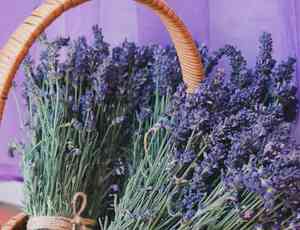
English lavender (Lavandula angustifolia)
Also known as: Garden lavender, Narrow-leaved lavender
English lavender, originally from the Mediterranean, is widely used in scented items like candles, oils, perfumes, soaps, and sprays. Additionally, its fragrance acts as a natural deterrent to clothing moths.
Attributes of English lavender
Images of English lavender
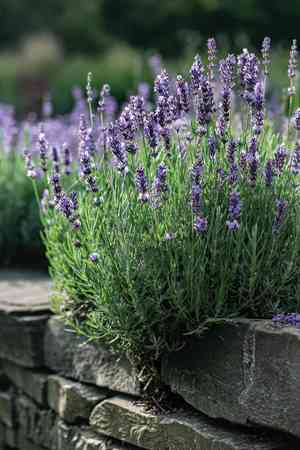
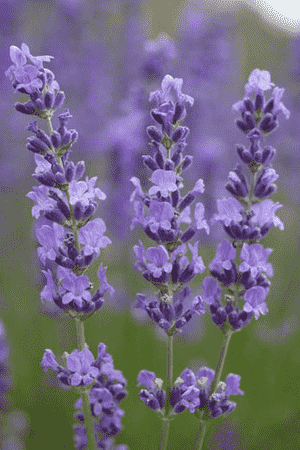
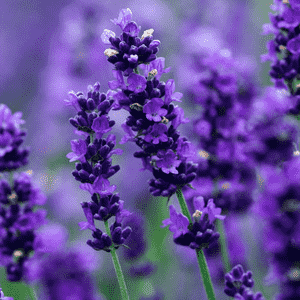
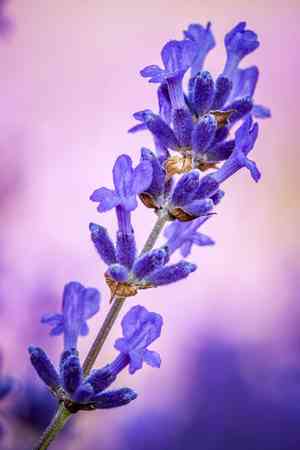
Quickly Identify English lavender
Scientific Classification of English lavender
Planting and Growing of English lavender
 How to Water English lavender?
 What Are the Sunlight Requirements for English lavender?
 What Is the Ideal Temperature Range for English lavender?
 What Soil is Best for English lavender?
 How to Fertilize English lavender?
 How to Prune English lavender?
 How to Propagate English lavender plant?
 How to Repot English lavender plant?
Toxicity of English lavender
Is English lavender toxic to cat?
English lavender (Lavandula angustifolia) poses a toxicity risk to cats due to their deficiency in the enzymes required to metabolize linalool and linalyl acetate. Even minimal contact, such as licking the plant's leaves, can result in gastrointestinal issues, and consuming the leaves frequently induces vomiting. The concentrated essential oil from this plant presents an even greater threat, potentially causing harm to the central nervous system and liver. It is advisable to reach out to a veterinarian if symptoms escalate significantly.
Is English lavender toxic to dog?
English lavender is primarily safe for dogs; however, it contains the compound linalool, which is toxic. Fortunately, the levels of this compound in the plant are quite low, meaning a dog would need to consume a significant amount to experience negative effects. Most dogs typically find the scent of English lavender unappealing and tend to steer clear of it, although some dogs' curiosity may lead them to investigate further. Signs of poisoning may include a swollen, sensitive abdomen, vomiting or difficulty in passing stools, loss of appetite, and a fever. If you suspect your dog has ingested this plant, it is important to contact your veterinarian promptly.



