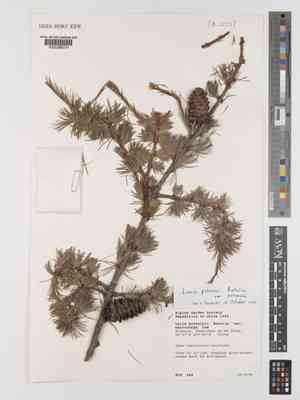
Chinese larch (Larix potaninii)
Also known as: Potanin's larch
Larix potaninii, native to Nepal and China, holds the distinction of being the most southerly growing larch species. Named in tribute to Russian botanist Grigorii N. Potanin (1835–1920), this remarkable tree is currently listed as a threatened species on the IUCN Red List.
In This Article
Attributes of Chinese larch
Lifespan
Perennial
Plant Type
Tree
Plant Height
25–40 meters
Spread
6–12 meters
Leaf Color
Green
Flower Size
N/A
Flower Color
N/A
Images of Chinese larch

Quickly Identify Chinese larch
1
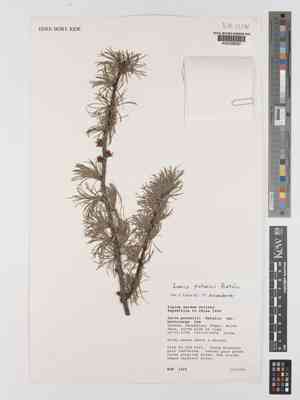
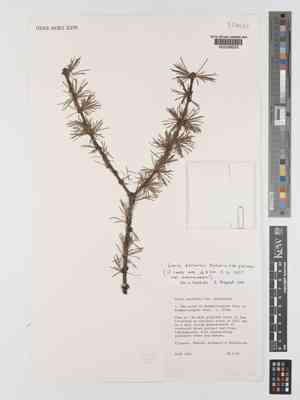
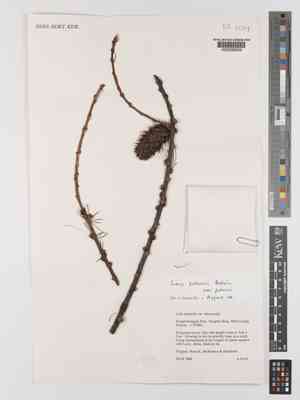
Identify Larix potaninii by its slender, needle-like leaves that are grouped in clusters on short shoots. The cones are small to medium-sized, green when immature, turning brown as they mature.
Scientific Classification of Chinese larch
Phylum
Vascular plants
Class
Conifers
Order
Pines and allies
Family
Pine
Genus
Larches
Species
Chinese larch
Planting and Growing of Chinese larch
Care Difficulty
Moderate
Watering Schedule
Every 4 days
Sunlight Requirements
Full sun
Sunshine Duration
4-8 hours
Ideal Temperature
50-68℉
Soil Type
Potting Mix, Peat Mix
Soil pH
6.5-7.5
Fertilizer Type
Balanced
Pruning Season
Spring, Summer
Pruning Area
Branches, Leaves
Pruning Frequency
2 times a year
Repotting Season
Spring
Pot Type
Plastic, Ceramic
 How to Water Chinese larch?
For Larix potaninii, watering should be done deeply but less frequently. Ensure the soil is thoroughly soaked and the water drains well without leaving the roots submerged. Aim for about 500 milliliters each watering session to keep the root zone moist but not waterlogged.
What are the symptoms of an underwatered Chinese larch?
›
What should I do if my Chinese larch is not getting enough water?
›
What are the symptoms of an overwatered Chinese larch?
›
How to save an overwatered Chinese larch?
›
 What Are the Sunlight Requirements for Chinese larch?
Full to partial sunlight exposure is ideal for Larix potaninii. This ensures vibrant needle coloration and structural health. The plant benefits from such light as it effectively fuels photosynthesis, leading to fuller and more resilient growth.
What is the optimal lighting environment for Larix potaninii?
›
How to achieve ideal lighting conditions?
›
What benefits does Larix potaninii experience from ideal lighting?
›
 What Is the Ideal Temperature Range for Chinese larch?
Larix potaninii thrives best in cooler climates with an ideal temperature range of 50°F to 68°F. This temperature range supports optimal growth and development, providing the necessary conditions for photosynthesis and other metabolic processes. Ensuring temperatures remain within this range helps the plant maintain its health and vitality.
 What Soil is Best for Chinese larch?
Larix potaninii flourishes in well-drained soil because it prevents waterlogging and root rot, essential for robust growth and health. Good drainage allows for better oxygen flow to the roots, enhancing nutrient absorption. This tree requires soil with moderate nutrient levels to sustain its growth. A balance in nutrients supports its needle development and overall tree vigor, ensuring resilience to environmental stressors. Soil with a pH between 6.5 and 7.5 is ideal for Larix potaninii. This range ensures optimal nutrient availability, preventing deficiencies or toxicities, and supports the tree's photosynthetic processes.
 How to Fertilize Chinese larch?
Larix potaninii requires moderate fertilization. A general recommendation is to apply at a rate of 50 grams per square meter for granular fertilizers. For liquid fertilizers, dilute according to the manufacturer's instructions and ensure the solution is not too concentrated to avoid root burn.
 How to Prune Chinese larch?
Start by removing any dead, diseased, or damaged branches to ensure the tree's overall health. Use sharp, clean tools to make clean cuts, reducing the chance of infection. After addressing major branches, focus on trimming back overgrown areas to maintain shape, but avoid excessive pruning as it can stress the tree. To sculpt the ideal shape of your Larix potaninii, focus on the lateral branches. Trim them back carefully to attain the desired form, but leave the leader branch intact to maintain a strong central stem. Shaping should be subtle to retain the tree's natural appearance.
More About Pruning Techniques→
 How to Propagate Chinese larch plant?
1
The first step in seed propagation is to extract seeds from mature cones. Ensure that the seeds are dry and clean before use. Soaking them overnight in warm water can enhance germination rates.
2
Fill seed trays with a well-draining soil mix. Sow the seeds on the surface and cover them lightly with soil. Water gently to keep the soil moist. Provide bright, indirect light for optimal growth.
3
For cutting propagation, select healthy branches and use sterilized pruning shears to cut 6-8 inch sections. Remove the lower leaves to expose the nodes and dip the cut end in rooting hormone.
 How to Repot Chinese larch plant?
1
Larix potaninii gives clear signals when it's time for a change of scenery. When roots start growing through drainage holes or the soil surface seems overly compact, it's time to repot. Notice if growth seems stunted or the soil dries out too quickly; these could also indicate that a repot session is overdue.
2
Choose a pot that is one size larger than the current one, offering enough room for growth but not so much that the roots get lost. Pots made from breathable materials like terracotta are preferable because they allow for better moisture regulation, preventing waterlogging and encouraging healthy root development.
3
To ensure healthy growth, use a well-draining soil mix that combines organic matter with a touch of grit or sand. This mix encourages proper aeration, allowing water to flow freely while retaining the right amount of moisture. The added texture aids in root grip and stability, essential for sturdy development.



