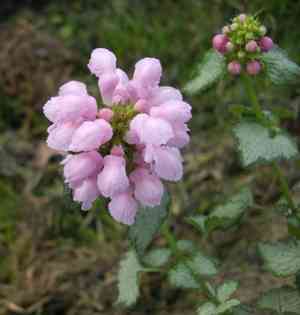
Spotted Dead Nettles (Lamium maculatum)
Also known as: Devil's Nettle, St Vincent's Nettle, Spotted henbit, Deadnettle
Spotted Deadnettle, known for its effectiveness as a ground cover, thrives in shady areas. It remains low to the ground during colder months but grows taller in warmer conditions. Despite its somewhat ominous name, Spotted Deadnettle does not sting or cause irritation, which is why it’s termed ‘deadnettle.’ Some varieties even feature yellow foliage instead of the typical green-and-silver leaves.
In This Article
Attributes of Spotted Dead Nettles
Lifespan
Perennial, Annual
Plant Type
Herb
Plant Height
20 cm to 80 cm
Spread
90 cm
Leaf Color
Green Silver Gray Red Variegated
Flower Size
2.5 cm
Flower Color
Pink White Purple Red Lavender Violet
Images of Spotted Dead Nettles
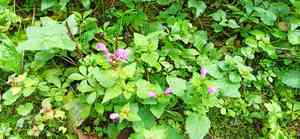
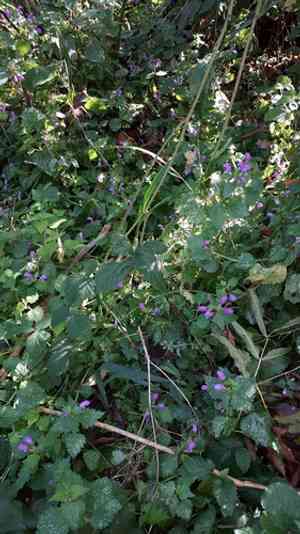
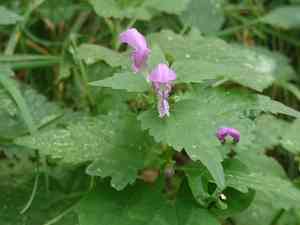
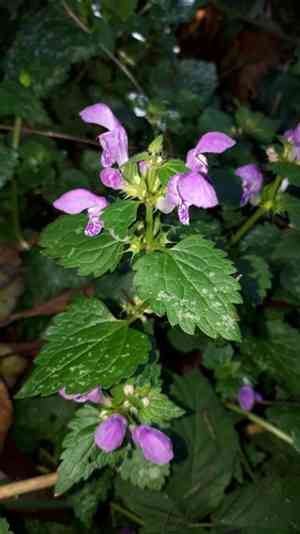
Quickly Identify Spotted Dead Nettles
1
Distinctive silver patches on vivid green leaves
2
Eye-catching silver blotch spanning leaf width
3
Lavender flowers with bilabiate structure
4
Clustered blooms in late spring to early summer
5
Crinkled leaves with rounded teeth, emitting odor when crushed
Scientific Classification of Spotted Dead Nettles
Phylum
Vascular plants
Class
Dicotyledons
Order
Lamiales
Family
Mint
Genus
Dead-nettles
Species
Spotted Dead Nettles
Planting and Growing of Spotted Dead Nettles
Care Difficulty
Easy
Watering Schedule
Every 2 days
Sunlight Requirements
Partial sun
Sunshine Duration
4-6 hours
Ideal Temperature
60-75℉
Soil Type
Potting Mix, Peat Mix
Soil pH
6.5-7.5
Fertilizer Type
Balanced
Pruning Season
Spring, Summer
Pruning Area
Branches, Leaves
Pruning Frequency
2 times a year
Repotting Season
Spring
Pot Type
Plastic, Ceramic
 How to Water Spotted Dead Nettles?
Lamium maculatum prefers a moderate amount of water, around 250 ml per session, ensuring the soil is evenly moist but not soggy. It's essential to allow the top inch of the soil to dry out between waterings to prevent root rot.
More About Watering Techniques→
What are the symptoms of an underwatered Spotted Dead Nettles?
›
What should I do if my Spotted Dead Nettles is not getting enough water?
›
What are the symptoms of an overwatered Spotted Dead Nettles?
›
How to save an overwatered Spotted Dead Nettles?
›
 What Are the Sunlight Requirements for Spotted Dead Nettles?
Partial sun to full shade allows Lamium maculatum to flourish. These conditions promote vibrant leaf variegation and prevent sun-scorch, ensuring healthy and attractive growth.
More About Sunlight Requirements Techniques→
Optimal Location for Lamium maculatum
›
Seasonal Light Adjustments
›
Light Filter Solutions
›
 What Is the Ideal Temperature Range for Spotted Dead Nettles?
Lamium maculatum thrives best when maintained in a temperature range between 60°F and 75°F. This bracket ensures that the plant meets its metabolic needs and grows vigorously. Keeping your plant within this range supports optimal photosynthesis and nutrient uptake, which correlates to vibrant foliage and robust flowers.
 What Soil is Best for Spotted Dead Nettles?
Lamium maculatum thrives in well-drained soil that prevents root rot and other moisture-related issues. Ensuring that your garden soil is sufficiently draining can improve the overall health and longevity of this plant. A soil enriched with organic material is beneficial for Lamium maculatum as it provides necessary nutrients. Compost or well-rotted manure works wonders and supports vigorous plant growth. While requiring well-drained soil, Lamium maculatum also prefers soil that retains some moisture. This balance helps maintain the plant's lush appearance, especially during warm months.
More About Soil→
 How to Fertilize Spotted Dead Nettles?
For Lamium maculatum, use a balanced 10-10-10 liquid fertilizer diluted to half strength. Apply about 1 gallon per established plant or per square yard in clustered plantings. The fertilizer should be evenly distributed around the plant base to avoid burn.
More About Fertilizing Techniques→
 How to Prune Spotted Dead Nettles?
To begin pruning, first use sharp, clean scissors or pruning shears. Identify any overgrown or excessively long stems and trim them back to just above a leaf node. Regularly cutting back these stems promotes fuller growth and prevents the plant from getting too spindly. Be sure to maintain an even shape overall, favoring a compact, bushy form. Regularly inspect your Lamium maculatum for spent flowers and deadhead by removing these blooms. Snip off the flower heads at the base to prevent the plant from putting unnecessary energy into seed production. Deadheading encourages repeat blooming and ensures a consistent show of flowers throughout the growing seasons.
More About Pruning Techniques→
 How to Propagate Spotted Dead Nettles plant?
1
Select healthy, non-flowering shoots and cut them into 4–6 inches long sections. Make sure to make the cut below a node, and remove the leaves from the lower half to prevent rot and improve rooting.
2
To propagate by division, carefully dig up the entire plant. Divide the root ball into smaller sections using a sharp knife or spade, ensuring each section has roots and shoots for healthy growth after planting.
3
Collect seeds from mature plants and sow them in trays filled with seed-specific compost. Cover lightly with soil and maintain moisture consistently. Place them in a bright, warm location to encourage germination.
 How to Repot Spotted Dead Nettles plant?
1
Lamium maculatum signals the need for repotting through several cues: roots growing out of the drainage holes, a noticeable lack of growth, or soil that dries out rapidly after watering. These indicators usually appear after about two years, marking the perfect time to consider giving your plant a new home.
2
Choose a pot that's one size larger than the current one with ample drainage holes. The extra space allows roots to spread and access nutrients, while the drainage holes prevent root rot by ensuring excess water escapes. This choice fosters healthy growth and vibrant blooming.
3
Opt for a well-draining potting mix rich in organic material, such as a blend of peat, compost, and perlite. This combination promotes excellent aeration and retains necessary moisture without overwhelming the roots. The ideal soil will keep your Lamium thriving with less risk of water stagnation.



