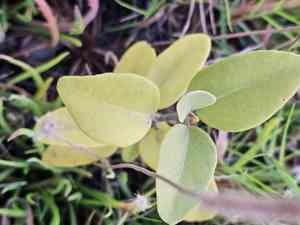
Cow itch tree (Lagunaria) (Lagunaria)
Also known as: Norfolk Island Hibiscus, Pyramid Tree
Lagunaria, commonly known as the Norfolk Island Hibiscus or Pyramid Tree, is an evergreen tree native to Norfolk Island, Australia. It is known for its dense, pyramidal canopy and its ability to thrive in coastal environments.
In This Article
Attributes of Cow itch tree (Lagunaria)
Lifespan
Perennial
Plant Height
10 to 15 meters
Spread
4 to 7 meters
Leaf Color
Dark green
Flower Size
5 to 6 cm
Flower Color
Pink to mauve
Images of Cow itch tree (Lagunaria)
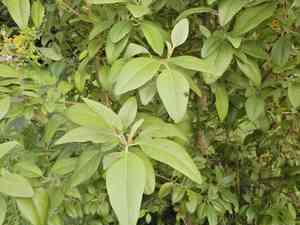
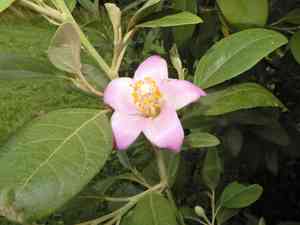
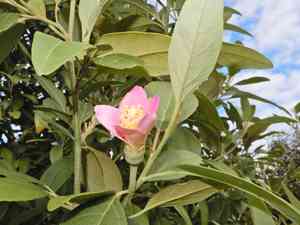
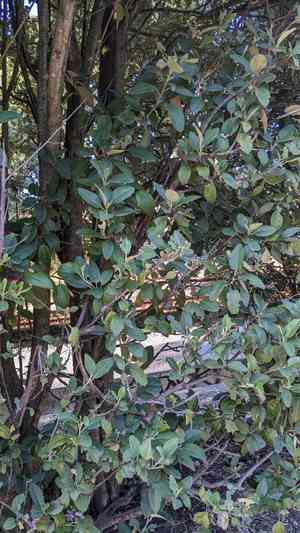
Quickly Identify Cow itch tree (Lagunaria)
1
Lagunaria can be identified by its thick, leathery leaves that are oval to lance-shaped, with a glossy green upper surface and a paler underside. The tree produces pink to mauve, hibiscus-like flowers with a diameter of up to 6 cm. Fruits are woody capsules containing irritating hairs.
Scientific Classification of Cow itch tree (Lagunaria)
Phylum
Magnoliophyta
Class
Magnoliopsida
Order
Malvales
Family
Malvaceae
Genus
Lagunaria
Planting and Growing of Cow itch tree (Lagunaria)
Care Difficulty
Moderate
Watering Schedule
Every 2 days
Sunlight Requirements
Full sun
Sunshine Duration
4-8 hours
Ideal Temperature
60-75℉
Soil Type
Potting Mix, Peat Mix
Soil pH
6.5-7.5
Fertilizer Type
Balanced
Pruning Season
Spring, Summer
Pruning Area
Branches, Leaves
Pruning Frequency
2 times a year
Repotting Season
Spring
Pot Type
Ceramic, Plastic
 How to Water Cow itch tree (Lagunaria)?
For Lagunaria, ensure you water until the soil feels moist but not waterlogged. A good rule of thumb is to check the top few inches of soil. If they are dry, it’s time for a drink. Generally, 500 ml per watering session is sufficient, depending on the size of your container or garden plot, and climate conditions.
What are the symptoms of an underwatered Cow itch tree (Lagunaria)?
›
What should I do if my Cow itch tree (Lagunaria) is not getting enough water?
›
What are the symptoms of an overwatered Cow itch tree (Lagunaria)?
›
How to save an overwatered Cow itch tree (Lagunaria)?
›
 What Are the Sunlight Requirements for Cow itch tree (Lagunaria)?
Lagunaria flourishes under full to partial sun conditions. Ideal lighting supports robust growth, abundant blooms, and vibrant foliage, enhancing overall plant health and longevity.
What is the best lighting condition for Lagunaria?
›
How to achieve ideal lighting conditions?
›
What are the benefits of ideal lighting for Lagunaria?
›
 What Is the Ideal Temperature Range for Cow itch tree (Lagunaria)?
Lagunaria thrives in a climate where the temperatures range between 60°F and 75°F. This range provides optimal conditions for growth and flowering, supporting healthy foliage and vibrant blooms. Consistent temperatures within this range can help the plant to establish and maintain its growth cycle efficiently.
 What Soil is Best for Cow itch tree (Lagunaria)?
Lagunaria thrives in well-drained soil, which prevents root rot by allowing excess water to escape easily. This is crucial as waterlogged conditions can harm plant health and impede growth. This plant benefits from a nutrient-rich environment, ensuring a steady supply of essential minerals. This supports robust growth, lush foliage, and healthy blooms, enhancing its ornamental value. Soils with moderate water retention help Lagunaria maintain adequate hydration without waterlogging. This balance is essential to ensure the plant receives enough moisture, particularly during dry spells.
 How to Fertilize Cow itch tree (Lagunaria)?
Lagunaria plants thrive best with a balanced nutrient intake. For liquid fertilizers, use a solution diluted at a ratio of 1:4 with water to avoid nutrient burn. For slow-release granular fertilizers, apply around 30 grams per application, well spread around the root zone.
 How to Prune Cow itch tree (Lagunaria)?
Begin by using sterilized, sharp pruning shears to remove any dead or diseased branches. Trim back overgrown areas to maintain the desired shape, and cut branches at a slight angle to encourage new growth. Avoid taking off more than one-third of the plant's volume at a time. To shape Lagunaria, focus on the main framework of the branches and selectively trim lateral branches to enhance the overall structure. This approach encourages an open canopy, improving air circulation and sun penetration.
 How to Propagate Cow itch tree (Lagunaria) plant?
1
Gather mature seeds from Lagunaria pods or take semi-hardwood cuttings using sterilized tools to prevent any disease transmission. Ensure that cuttings are taken from healthy sections of the plant.
2
Prepare a well-draining soil mixture for sowing seeds or placing cuttings. A mix of peat moss and perlite works well for cuttings, while seeds do well in a sandy substrate that maintains moisture but drains excess water.
3
Sow seeds with light covering of soil and press cuttings firmly into the prepared medium. Ensure seeds are spaced to prevent overcrowding and cuttings remain upright to encourage strong root development.
 How to Repot Cow itch tree (Lagunaria) plant?
1
Lagunaria needs repotting when roots start growing out of the drainage holes or the plant's growth becomes stunted. This usually indicates that the roots have filled the pot and it's time to give them more space to grow.
2
Choose a pot that is 2-3 inches wider in diameter than the current one, ensuring it has proper drainage holes. A larger pot provides more room for root expansion, preventing the plant from becoming root-bound.
3
Opt for loamy, well-draining soil to prevent waterlogging, which can cause root rot. A well-draining mix ensures that excess water runs off, providing the roots with sufficient oxygen and nutrients.
Toxicity
Contact with fibrous hairs on capsules
WARNING
The judgment on toxicity and danger is for reference only. We DO NOT GUARANTEE any accuracy of such judgment. Therefore, you SHALL NOT rely on such judgment. It is IMPORTANT TO SEEK PROFESSIONAL ADVICE in advance when necessary.
Learn More About Cow itch tree (Lagunaria) Diseases
Anthracnose
Bacterial Leaf Spot
Chemical Injury
Crown Gall
Damping-off
Downy Mildew
Drought Stress
Fusarium Wilt
Gray Mold
Leaf Curl
Leaf Spot
Mosaic
Nutrient Deficiency
Nutrient Toxicity
Powdery Mildew
Root Rot
Root-knot Nematode
Rusts
Sooty Mold
Spider Mites
Temperature Stress
Thrips Damage
White Mold

