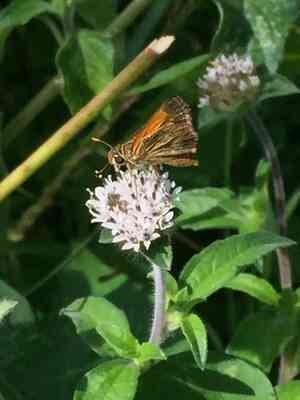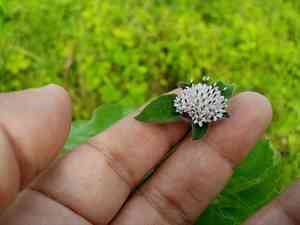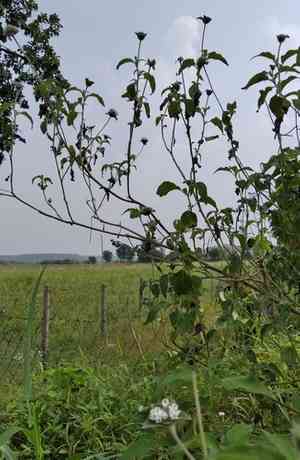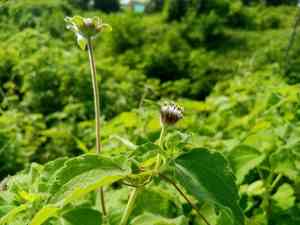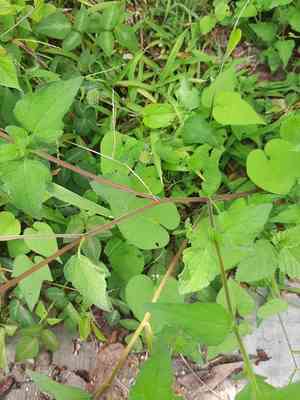
Silkleaf(Lagascea mollis)

Silkleaf (Lagascea mollis)

Also known as: Velvetbush

Indigenous people have long utilized Silkleaf (Calotropis gigantea) as an insect repellent through several traditional methods. These include:

1. **Crushing Leaves:** The leaves are crushed to release their natural latex, which is then applied directly to the skin.
2. **Burning Plant Parts:** Leaves or other parts of the plant are burned to produce smoke that repels insects.
3. **Making Extracts:** Extracts from the plant are prepared and mixed with water or oil to create a repellent solution.

Silkleaf is known for its silky leaves, likely contributing to its common name. These practices highlight the plant's effectiveness in deterring insects through its natural chemical properties.

Attributes of Silkleaf

Lifespan
Annual
Plant Type
Herb
Plant Height
0.5-1 meter
Spread
0.3-0.5 meter
Leaf Color
Green with a velvety texture
Flower Size
0.5-1 cm
Flower Color
Yellow

ForwardPlant - Identify plants with a snap

Identify and diagnose plants, get toxicity alerts, and explore safety guides for all types of fungi.

Try for Free

Images of Silkleaf

Silkleaf(Lagascea mollis)

Quickly Identify Silkleaf

1
Look for the velvety, hairy texture of the leaves and stems. The plant produces clusters of small, yellow, daisy-like flowers.

Scientific Classification of Silkleaf

Phylum
Vascular plants
Class
Dicotyledons
Order
Asterales
Family
Daisy
Genus
Lagascea
Species
Silkleaf

Planting and Growing of Silkleaf

Care Difficulty
Moderate
Watering Schedule
Every 3 days
Sunlight Requirements
Full sun
Sunshine Duration
6-10 hours
Ideal Temperature
65-75℉
Soil Type
Potting Mix, Peat Mix
Soil pH
6.5-7.5
Fertilizer Type
Balanced
Pruning Season
Spring, Summer
Pruning Area
Branches, Leaves
Pruning Frequency
2 times a year
Repotting Season
Spring
Pot Type
Plastic, Ceramic

water icon How to Water Silkleaf?

When watering Lagascea mollis, aim to provide approximately 250 ml of water each time. This amount ensures that the soil is adequately moistened without oversaturating it. It is essential to follow the finger-test method: insert your finger about an inch into the soil and water only if it feels dry at that depth.
What are the symptoms of an underwatered Silkleaf?
What should I do if my Silkleaf is not getting enough water?
What are the symptoms of an overwatered Silkleaf?
How to save an overwatered Silkleaf?

sunlight icon What Are the Sunlight Requirements for Silkleaf?

Sunlight Requirements: Full sun, Partial sun
Duration of light: 6–8 hours daily
Lagascea mollis prefers bright light conditions, defined by a partial to full sun exposure. Optimal light promotes consistent growth and flowering, leading to a robust and decorative plant presence. Managing light well boosts both health and aesthetics significantly.
Where should Lagascea mollis be placed for optimal sunlight?
How can you provide optimal lighting if natural conditions are not met?
What benefits does optimal sunlight provide for Lagascea mollis?

temperature icon What Is the Ideal Temperature Range for Silkleaf?

Ideal Temperature: 65 ~ 75℉
Lagascea mollis thrives best at temperatures ranging from 65°F to 75°F. In this range, the plant can photosynthesize efficiently and maintain its metabolic functions without stress. Ensuring this temperature allows for optimal nutrient uptake and growth.

soil icon What Soil is Best for Silkleaf?

Soil type: Sandy loam, Loam
Soil PH: 6.5 ~ 7.5
Lagascea mollis thrives in soil that offers excellent drainage. This is because well-drained soil prevents waterlogging, which can lead to root rot and other plant diseases. Proper drainage ensures that the roots receive adequate oxygen and promotes healthy growth. The plant benefits from a nutrient-rich soil composition. This ensures that Lagascea mollis receives the essential nutrients required for lush foliage and vibrant growth, contributing to its resilience against pests and diseases. While Lagascea mollis appreciates well-drained soil, it also requires a certain level of moisture to sustain its growth. Consistent, balanced soil moisture supports the plant's metabolic processes and promotes overall vitality.

fertilize icon How to Fertilize Silkleaf?

Fertilizer type: Balanced
For Lagascea mollis, it's crucial to provide the right amount of nourishment. Use a balanced liquid fertilizer at half the recommended strength to promote healthy growth without overwhelming the roots. During active growth periods, increase to every other week, but decrease in dormant periods.

prune icon How to Prune Silkleaf?

Pruning Time: Spring, Summer
Begin by observing the overall structure of your Lagascea mollis. Identify any dead, damaged, or crossing branches. Dead wood should be removed first, followed by any branches that compete for space or light. Make clean cuts at a 45-degree angle, just above a node or bud facing outward. This encourages new growth to sprout in the desired direction. Be careful not to leave stubs or tear the bark, as these can become entry points for pests and diseases. Aim to open up the center of the plant by removing excessive inner growth. This enhances air circulation and sunlight penetration, crucial for healthy foliage. Maintain a pleasing shape by trimming uneven or overly long branches.

propagate icon How to Propagate Silkleaf plant?

Propagate Time: Spring,Early spring
1
Start by filling a seed tray with fine potting soil. Gently sow Lagascea mollis seeds on the surface of the soil, lightly covering them with a thin layer of soil. Ensure even spacing to prevent overcrowding as the seedlings grow.
2
After sowing the seeds, water the soil gently using a mist sprayer to avoid dislodging the seeds. Keep the soil consistently moist but not waterlogged to ensure optimal seed germination and seedling growth.
3
Place the seed tray in a location with bright, indirect sunlight. If natural light is insufficient, consider using a grow light to provide the seedlings with adequate light, promoting healthy and robust growth.
More About Propagating Techniques

repot icon How to Repot Silkleaf plant?

Repotting frequency: Every 1-2 years
1
Repot Lagascea mollis when the plant shows signs of being root-bound, such as roots growing through the drainage holes or visibly circling in the pot. Another indicator is if the plant stops thriving or growth becomes stunted, signaling that it has outgrown its current environment. Ideal repotting occurs during active growth periods in spring or summer to minimize stress.
2
Select a pot that is one size larger than the current one to provide ample room for root expansion. The pot must have sufficient drainage holes to prevent waterlogging, which can lead to root rot. Using the right-sized pot promotes healthy growth and ensures the roots have adequate aeration and nutrients.
3
Choose a well-draining potting mix that retains some moisture but allows excess water to pass through. A blend containing components like perlite and peat moss is ideal as it maintains the right balance of moisture retention and drainage, supporting healthy root development and preventing root diseases.

ForwardPlant - Identify plants with a snap

Find the best spots for them to optimize their health, simply using your phone.

Try for Free