
Blue lettuce (Lactuca tatarica)
Also known as: Chickory lettuce
Field Scabious (Knautia arvensis) is typically found in grasslands and meadows. Despite its common association with a bluish-mauve flower color, it is distinct for being pollinated by various moth species.
In This Article
Attributes of Blue lettuce
Lifespan
Biennial, Perennial
Plant Type
Herb
Plant Height
60 cm
Spread
Not typically measured
Leaf Color
Bluish-green
Flower Size
Approximately 2 to 3 cm
Flower Color
Blue White Pink Purple
Images of Blue lettuce
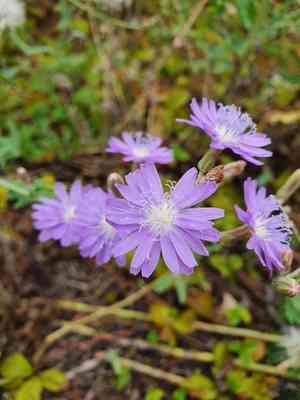
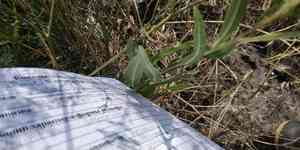
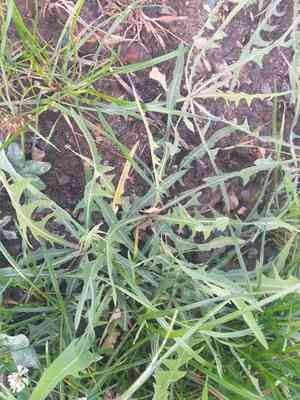
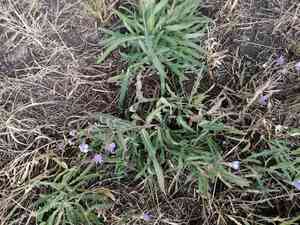
Quickly Identify Blue lettuce
1
Lactuca tatarica can be identified by its bluish-green, elongated leaves with toothed or lobed margins. It produces a milky sap when cut. The flowers are blue to violet, with a star-like, dandelion-like appearance.
Scientific Classification of Blue lettuce
Phylum
Vascular plants
Class
Dicotyledons
Order
Asterales
Family
Daisy
Genus
Lactuca
Species
Blue lettuce
Planting and Growing of Blue lettuce
Care Difficulty
Easy
Watering Schedule
Every 3 days
Sunlight Requirements
Full sun
Sunshine Duration
4-6 hours
Ideal Temperature
60-75℉
Soil Type
Potting Mix, Peat Mix
Soil pH
6.5-7.5
Fertilizer Type
Balanced
Pruning Season
Spring, Summer
Pruning Area
Branches, Leaves
Pruning Frequency
2 times a year
Repotting Season
Spring
Pot Type
Plastic, Terracotta
 How to Water Blue lettuce?
Lactuca tatarica prefers a consistent but moderate watering routine. Aim to provide about 250 milliliters of water per session, ensuring the soil is evenly moist but not waterlogged. The goal is to maintain an ideal moisture balance without over-saturation.
What are the symptoms of an underwatered Blue lettuce?
›
What should I do if my Blue lettuce is not getting enough water?
›
What are the symptoms of an overwatered Blue lettuce?
›
How to save an overwatered Blue lettuce?
›
 What Are the Sunlight Requirements for Blue lettuce?
Lactuca tatarica flourishes best with half to full-day sunlight, leading to robust growth and preventing legginess and weak stems.
More About Sunlight Requirements Techniques→
How much sun does Lactuca tatarica need?
›
What is the best way to achieve ideal sunlight exposure?
›
What benefits does ideal sunlight bring to the plant?
›
 What Is the Ideal Temperature Range for Blue lettuce?
The ideal temperature range for cultivating Lactuca tatarica is between 60°F and 75°F. This range allows for optimal growth and development, providing the most suitable conditions for photosynthesis and nutrient absorption. Staying within these temperatures ensures a healthy life cycle for the plant, preventing stress and enhancing vigor.
 What Soil is Best for Blue lettuce?
Lactuca tatarica thrives in well-drained soil conditions. This ensures that water does not accumulate at the roots, preventing root rot and promoting strong root development. Proper drainage enhances nutrient uptake and overall plant health. A soil rich in organic matter is ideal for Lactuca tatarica. This boosts the plant's growth potential by providing essential nutrients naturally, enhancing vigor and foliage density, leading to a more robust plant. The soil should retain enough moisture without becoming waterlogged. This balance is crucial for maintaining hydration while preventing fungal diseases and ensuring that the plant can thrive even during short dry spells.
 How to Fertilize Blue lettuce?
For Lactuca tatarica, use liquid fertilizer at half strength to avoid over-fertilization. Apply about 10 ml per liter of water, ensuring the fertilizer is thoroughly diluted before watering the plant.
 How to Prune Blue lettuce?
Identify and trim back any overgrown, leggy stems to just above a leaf node to encourage bushier growth. Be mindful to step back and assess the shape continuously as you prune, ensuring a balanced look. Inspect the plant for any yellowing or damaged leaves. Carefully remove them to prevent the spread of any potential diseases or pests. Focus on maintaining the plant’s overall health and appearance. While trimming, follow the plant's natural shape. Avoid over-pruning as it can stress the plant. By maintaining its form, you ensure it thrives aesthetically and biologically.
More About Pruning Techniques→
 How to Propagate Blue lettuce plant?
1
Collect mature seeds from the plant and clean them thoroughly to remove any pulp or residue. Dry the seeds in a cool, dark place for a couple of days to ensure better storage and higher germination rates.
2
Select healthy stems and use sharp pruning shears to take 4-6 inch cuttings just below a node. Remove the lower leaves from the cuttings to minimize moisture loss and enhance rooting potential.
3
For division, carefully dig up the parent plant and gently separate the roots into smaller sections. Each section should have a few shoots and a solid root base to ensure a successful new plant.
 How to Repot Blue lettuce plant?
1
Look for signs such as roots crowding at the pot's drainage holes, slowed growth, or soil that dries out too quickly. If any of these are evident, it is time to consider repotting Lactuca tatarica to ensure its health and continued growth.
2
Select a pot with adequate drainage that is one size larger than the current one. This ensures enough space for root expansion while preventing waterlogging. Opt for a pot made of breathable material like terracotta to promote healthy root aeration.
3
Choose a well-draining sandy loam soil to provide optimal support. This soil type prevents root rot by allowing excess water to escape while retaining necessary moisture and nutrients to sustain healthy plant growth.
Learn More About Blue lettuce Diseases
Anthracnose
Bacterial Leaf Spot
Bacterial Soft Rot
Bacterial Wilt
Damping-off
Downy Mildew
Drought Stress
Fusarium Wilt
Gray Mold
Leaf Spot
Mosaic
Nutrient Deficiency
Nutrient Toxicity
Powdery Mildew
Root Rot
Root-knot Nematode
Rusts
Sooty Mold
Spider Mites
Temperature Stress
Thrips Damage
White Mold



