
Garden lettuce (Lactuca sativa)
Also known as: Lettuce
Arugula (*Eruca sativa*) is a robust annual plant that has been grown since the times of Ancient Egypt. Often featured in salads, its leaves are notable for their high content of vitamins K and A.
In This Article
Plant Comprehensive Care Guide: Beginner's Introduction and Key Details
Perfect for beginners starting their plant care journey
→
10 Secrets to Making Garden lettuce Grow Faster (A Must-Read for Beginners)
Advanced tips to accelerate your plant's growth
→
Care "Black Tech": 10 Little-Known Highly Effective Maintenance Tips
Expert-level techniques for optimal plant care
→
Attributes of Garden lettuce
Lifespan
Annual, Biennial, Perennial
Plant Type
Herb
Plant Height
15 cm to 90 cm
Spread
15 cm to 30 cm
Leaf Color
Green Yellow White Red Variegated Gold Purple
Flower Size
7 mm to 1.5 cm
Flower Color
Yellow Gold
Images of Garden lettuce
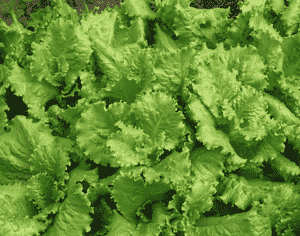
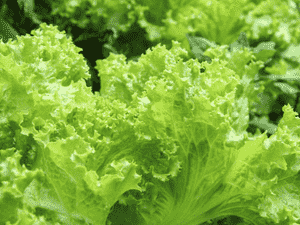
Quickly Identify Garden lettuce
1
Leaves vary in shapes, from lobed to elongated, with colors ranging from green to reddish-purple.
2
Flowers are small yellow compound heads with 7-15 florets and finely toothed petals.
3
Fruits are tiny achenes, narrow obovate in shape, with a plumose pappus for wind dispersal.
4
Stems are initially short, elongating up to 12-20 inches with a contorted branching pattern.
5
Overall height and width can reach up to 12 inches, displaying vibrant foliage with unique colors.
Scientific Classification of Garden lettuce
Phylum
Vascular plants
Class
Dicotyledons
Order
Asters bellflowers fanflowers and allies
Family
Daisy
Genus
Lactuca
Species
Garden lettuce
Planting and Growing of Garden lettuce
Care Difficulty
Easy
Watering Schedule
Every 8 days
Sunlight Requirements
Full sun
Sunshine Duration
6-10 hours
Ideal Temperature
60-70℉
Soil Type
Potting Mix, Peat Mix
Soil pH
6.5-7.5
Fertilizer Type
Balanced
Pruning Season
Spring, Summer
Pruning Area
Branches, Leaves
Pruning Frequency
2 times a year
Repotting Season
Spring
Pot Type
Plastic, Ceramic
 How to Water Garden lettuce?
Lactuca sativa, commonly known as lettuce, requires making the soil consistently moist without being waterlogged. Water each plant with about 250 ml, ensuring that the soil is damp up to a few inches below the surface. Overwatering should be avoided to prevent root rot.
More About Watering Techniques→
What are the symptoms of an underwatered Garden lettuce?
›
What should I do if my Garden lettuce is not getting enough water?
›
What are the symptoms of an overwatered Garden lettuce?
›
How to save an overwatered Garden lettuce?
›
 What Are the Sunlight Requirements for Garden lettuce?
Providing 6-8 hours of either full or partial sunlight allows Lactuca sativa to photosynthesize efficiently, resulting in vibrant, nutritious foliage and improving overall yield.
More About Sunlight Requirements Techniques→
How much light does Lactuca sativa need?
›
What is the best source of light for Lactuca sativa?
›
How can ideal lighting conditions for Lactuca sativa be achieved?
›
 What Is the Ideal Temperature Range for Garden lettuce?
Lactuca sativa, commonly known as lettuce, thrives best in temperatures ranging from 60 to 70 degrees Fahrenheit. This temperature range supports optimal growth and prevents the plant from bolting prematurely. Maintaining this range ensures that the plant receives enough warmth to encourage leaf growth while avoiding the stress that can lead to flowering.
 What Soil is Best for Garden lettuce?
Lactuca sativa, commonly known as lettuce, thrives in soil rich in organic matter. Adequate nutrients promote lush foliage and enhance the plant's flavor and texture. Compost or well-rotted manure can be incorporated to enrich the soil, ensuring healthy, rapid growth and tender leaves. This plant requires well-drained soil to prevent waterlogging, which can lead to root rot. Proper drainage allows lettuce roots to access the necessary oxygen and reduces the risk of diseases. Raised beds or mounded rows can enhance drainage, promoting vigorous growth. While drainage is crucial, Lactuca sativa also benefits from soil that retains some moisture. This balance ensures the plant remains hydrated, supporting steady growth and preventing wilting. Mulching can help maintain consistent soil moisture levels, crucial during hot weather.
More About Soil→
 How to Fertilize Garden lettuce?
Lettuce (Lactuca sativa) thrives on a balanced diet of nutrients. It's essential to apply liquid fertilizer at a rate of 1/4 to 1/2 teaspoon per gallon of water, ensuring that the foliage benefits from the nutrients without the risk of fertilizer burn. Solid organic fertilizers should be incorporated into the soil at a rate of one tablespoon per square foot per application to maintain healthy growth throughout the growing season.
More About Fertilizing Techniques→
 How to Prune Garden lettuce?
Carefully inspect your Lactuca sativa to identify any yellowing or dead leaves. These are the leaves you should target for removal, as they divert energy away from the healthier parts of the plant. With a pair of sharp and clean gardening shears, cut the undesirable leaves at their base, close to the stem, ensuring a clean cut. This minimizes plant damage and promotes quick healing. Conduct regular inspections of your plant to maintain its health and aesthetics. Removing debris and dead matter consistently provides an optimal growing environment, ensuring the plant can flourish.
More About Pruning Techniques→
 How to Propagate Garden lettuce plant?
1
Choose high-quality seeds from a reliable source. Ensure the seeds are of a variety that is suitable for your climate and growing conditions, as different varieties have different growth habits and preferences.
2
Sow the seeds in seed trays filled with potting mix. Plant them at a depth of approximately 1/4 inch and space them evenly to prevent overcrowding. Lightly cover the seeds with the soil mix and water gently.
3
Once seedlings have developed a few true leaves and are sturdy, transplant them into larger containers or a garden bed. Ensure they have adequate spacing to grow, and water them immediately after transplantation to help them settle into their new environment.
 How to Repot Garden lettuce plant?
1
Lactuca sativa should be repotted when the plant has outgrown its current container, indicating with roots circling the pot or emerging from drainage holes. It’s best to repot during cooler parts of the growing season when plant stress is minimal and growth is supported.
2
Select a pot that is one size larger than the current one. Choose containers with good drainage to prevent waterlogging. The benefits include sufficient space for root growth and prevention of root rot, promoting a healthier plant.
3
Select well-draining loamy soil enriched with organic matter. This supports strong root development and ensures adequate moisture retention, facilitating optimal nutrient uptake and preventing water-related stress in the plant.
Learn More About Garden lettuce Diseases
Anthracnose
Bacterial Leaf Spot
Bacterial Soft Rot
Bacterial Wilt
Chemical Injury
Damping-off
Downy Mildew
Drought Stress
Fusarium Wilt
Gray Mold
Leaf Spot
Mosaic
Nutrient Deficiency
Nutrient Toxicity
Powdery Mildew
Root Rot
Root-knot Nematode
Sooty Mold
Spider Mites
Temperature Stress
Thrips Damage
White Mold



