
Hairy lettuce (Lactuca hirsuta)
Also known as: Hairy Lettuce
Lactuca hirsuta, a biennial herb in the dandelion tribe of the daisy family, can reach up to 2 meters in height, growing from a taproot. Its stem culminates in a multi-branched inflorescence with numerous flower heads. Each flower head consists of 12-24 blue ray florets and lacks disc florets. Its fruit is a brown achene.
In This Article
Attributes of Hairy lettuce
Lifespan
Biennial
Plant Type
Herb
Plant Height
91 cm to 3.5 m
Spread
15-30 cm
Leaf Color
Green
Flower Size
1-2 cm
Flower Color
Yellow Purple
Images of Hairy lettuce


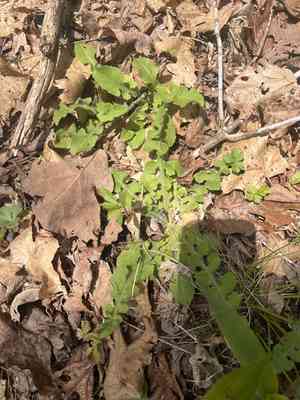
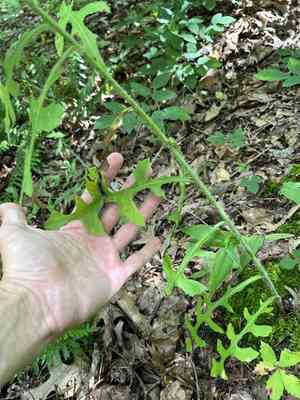
Quickly Identify Hairy lettuce
1
Identify Hairy Lettuce by its hairy stems and leaves. The leaves are deeply lobed, and the plant produces yellow flowers in clusters.
Scientific Classification of Hairy lettuce
Phylum
Vascular plants
Class
Dicotyledons
Order
Asterales
Family
Daisy
Genus
Lactuca
Species
Hairy lettuce
Planting and Growing of Hairy lettuce
Care Difficulty
Easy
Watering Schedule
Every 2 days
Sunlight Requirements
Partial sun
Sunshine Duration
4-8 hours
Ideal Temperature
60-75℉
Soil Type
Potting Mix, Peat Mix
Soil pH
6.5-7.5
Fertilizer Type
Balanced
Pruning Season
Spring, Summer
Pruning Area
Branches, Leaves
Pruning Frequency
2 times a year
Repotting Season
Spring
Pot Type
Plastic, Ceramic
 How to Water Hairy lettuce?
For Lactuca hirsuta, watering should aim to keep the soil consistently moist but never waterlogged. The goal is to provide enough water so that the water reaches the root zone without saturating the soil, ensuring each watering session delivers approximately 200 milliliters.
What are the symptoms of an underwatered Hairy lettuce?
›
What should I do if my Hairy lettuce is not getting enough water?
›
What are the symptoms of an overwatered Hairy lettuce?
›
How to save an overwatered Hairy lettuce?
›
 What Are the Sunlight Requirements for Hairy lettuce?
Lactuca hirsuta prefers partial sun, which means around 4 to 6 hours of exposure per day. Proper light levels improve foliage color and plant vigor, supporting overall health.
What is the optimal light for Lactuca hirsuta?
›
How can I achieve ideal light conditions for my Lactuca hirsuta?
›
What are the benefits of providing ideal light to Lactuca hirsuta?
›
 What Is the Ideal Temperature Range for Hairy lettuce?
The ideal temperature range of 60 to 75 °F ensures optimal metabolic activity and photosynthesis. These conditions allow the plant to grow robustly and maintain its vigor. Deviations from this range can lead to stress, affecting both growth and resistance to pests and diseases.
 What Soil is Best for Hairy lettuce?
Lactuca hirsuta thrives in soils with excellent drainage. This prevents waterlogging, promoting healthy root development and preventing root rot, which can severely impact plant health. This plant loves nutrient-rich soils that provide ample nutrients for foliage growth. Such soils supply essential elements that support robust plant development, leading to healthier leaves and vibrant growth. While good drainage is essential, soils that retain moderate moisture help sustain Lactuca hirsuta during dry spells. This balance ensures the plant remains hydrated without sitting in excess water.
 How to Fertilize Hairy lettuce?
Lactuca hirsuta requires moderate fertilization to sustain its growth. For liquid fertilizers, a dilution that follows the package instructions is ideal. Typically, a quarter to a half-strength solution ensures the plant receives necessary nutrients without the risk of fertilizer burn. For slow-release fertilizers, a gentle application of approximately 20 grams per square meter once every four months suffices, with adjustments made for soil and environmental conditions.
 How to Prune Hairy lettuce?
To prune Lactuca hirsuta effectively, begin by identifying and removing any dead or yellowing leaves as these can drain nutrients from the plant. Use sharp, clean pruning shears to make clean cuts at the base of the leaf stems. This will help prevent disease and encourage robust growth. Prioritize stems that are overcrowding the plant to improve air circulation. Focus on shaping the plant by trimming overgrown sections to maintain a balanced and aesthetically pleasing structure. Aim to create a pleasing, rounded form and ensure that each part of the plant receives adequate sunlight and nutrients. This will help in maintaining the plant's overall symmetrical growth.
More About Pruning Techniques→
 How to Propagate Hairy lettuce plant?
1
Before planting, soak seeds in water overnight. This primes them for germination and helps in breaking seed dormancy, an important step for enhancing the success rate.
2
Scatter the seeds evenly on the surface of the seed tray filled with potting mix. Gently press them into the soil or cover lightly with more soil to ensure proper contact.
3
Water lightly to dampen the soil without causing waterlogging. Maintain moisture by covering with plastic wrap or a humidity dome until germination occurs.
 How to Repot Hairy lettuce plant?
1
If your Lactuca hirsuta shows signs of poor growth, overcrowding in the pot, or roots poking through drainage holes, it's time to repot. Spring and summer are ideal seasons as the plant is in its active growth phase, allowing it to recover better from the stress of repotting.
2
Select a pot that is about 2 inches larger in diameter than the current one to give the roots ample space to grow. The material should be breathable, like terracotta, which helps prevent waterlogged soil and root rot, promoting a healthy growing environment.
3
Opt for a well-draining, loamy soil. This type of substrate ensures proper aeration and moisture retention, preventing root rot while providing essential nutrients. Mixing in some perlite or sand can improve the drainage, ensuring that your plant thrives.
Toxicity
Ingestion
WARNING
The judgment on toxicity and danger is for reference only. We DO NOT GUARANTEE any accuracy of such judgment. Therefore, you SHALL NOT rely on such judgment. It is IMPORTANT TO SEEK PROFESSIONAL ADVICE in advance when necessary.
Learn More About Hairy lettuce Diseases
Anthracnose
Bacterial Leaf Spot
Bacterial Soft Rot
Bacterial Wilt
Chemical Injury
Cyst Nematode
Damping-off
Downy Mildew
Drought Stress
Fusarium Wilt
Gray Mold
Leaf Spot
Mosaic
Nutrient Deficiency
Nutrient Toxicity
Powdery Mildew
Root Rot
Root-knot Nematode
Rusts
Sooty Mold
Spider Mites
Temperature Stress
Thrips Damage
White Mold



