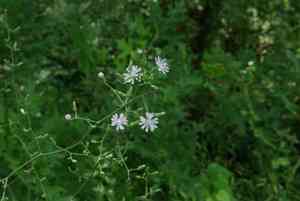
Woodland lettuce (Lactuca floridana)
Also known as: Florida blue lettuce, Florida wild lettuce
Woodland lettuce, an annual or biennial herb, thrives in waste areas and forested places. Frequently regarded as a common weed, it is nonetheless edible, with leaves that can be added to salads or boiled.
Attributes of Woodland lettuce
Images of Woodland lettuce
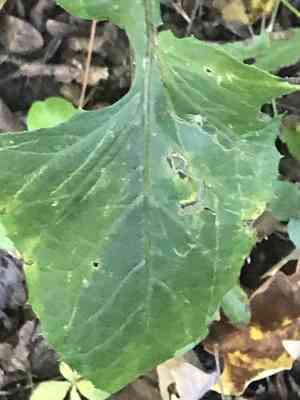
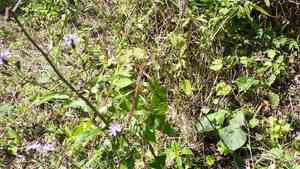
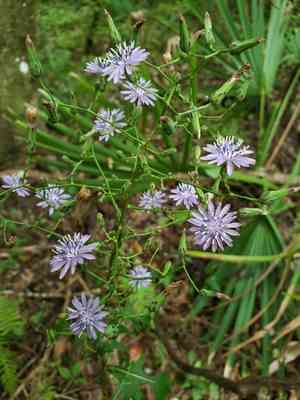
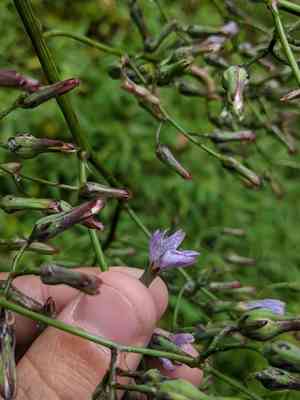
Quickly Identify Woodland lettuce
Scientific Classification of Woodland lettuce
Planting and Growing of Woodland lettuce
 How to Water Woodland lettuce?
 What Are the Sunlight Requirements for Woodland lettuce?
 What Is the Ideal Temperature Range for Woodland lettuce?
 What Soil is Best for Woodland lettuce?
 How to Fertilize Woodland lettuce?
 How to Prune Woodland lettuce?
 How to Propagate Woodland lettuce plant?
 How to Repot Woodland lettuce plant?
Toxicity of Woodland lettuce
Is Woodland lettuce toxic to humans?
The risk of poisoning primarily arises from consuming substantial amounts of the milky sap produced by woodland lettuce. This sap contains a compound known as lactucarium, which has mild narcotic effects and exudes from any damage to the plant. The concentration of this substance peaks when the plant is in its seeding phase. Extremely elevated quantities of the sap can result in fatal cardiac paralysis. More moderate amounts may lead to minor symptoms like drowsiness and restlessness. This plant is commonly found in woodland gardens and is especially prevalent in central Canada as well as the eastern and central regions of the United States.



