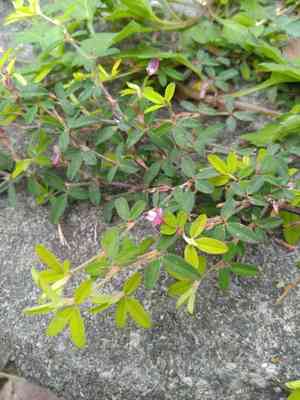
Japanese clover (Kummerowia striata)
Also known as: Japanese lespedeza, Japanese bush-clover
Kudzu, a plant native to East Asia, spread throughout the United States, particularly after the Civil War. Known for its effectiveness in revegetating abandoned coal mine areas and preventing soil erosion, it continues to be used for these purposes today.
In This Article
Attributes of Japanese clover
Lifespan
Annual
Plant Type
Herb
Plant Height
30 cm to 41 cm
Spread
The plant is typically low-growing and spreading, with a crown diameter 15-50 cm
Leaf Color
Green
Flower Size
2.5 cm
Flower Color
White Purple Pink Red
Images of Japanese clover
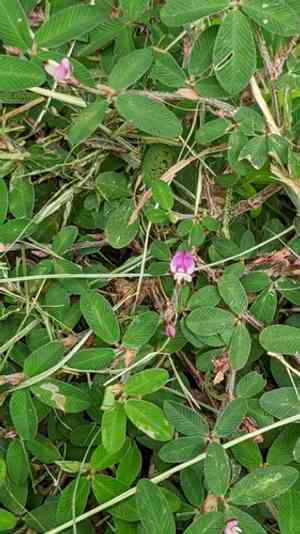
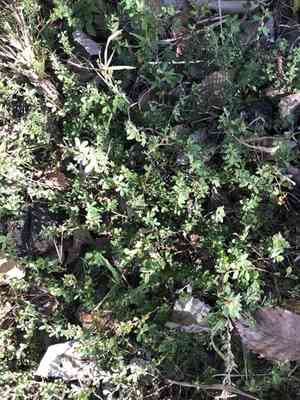
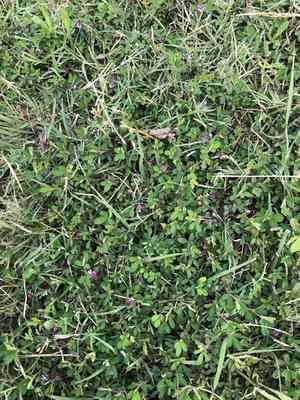
Quickly Identify Japanese clover
1
Trifoliate leaves with oblong-elliptic leaflet blades, 0.5-1 inch (1.3-2.5 cm) long.
2
Purple stems covered in downward-pointing white hairs for a rough texture.
3
Small, pink/purple lower petal, white upper petals of 1/4 inch (6 mm) flowers.
4
Elongated legume fruits, 0.2 inch (5 mm), tan to brown, single-seeded.
5
Flowers bloom in groups of 1-3 with distinctive pea flower shape.
Scientific Classification of Japanese clover
Phylum
Vascular plants
Class
Dicotyledons
Order
Fabales
Family
Legume
Genus
Kummerowia
Species
Japanese clover
Planting and Growing of Japanese clover
Care Difficulty
Easy
Watering Schedule
Every 3 days
Sunlight Requirements
Partial sun
Sunshine Duration
4-6 hours
Ideal Temperature
68-77℉
Soil Type
Potting Mix, Peat Mix
Soil pH
6.5-7.5
Fertilizer Type
Balanced
Pruning Season
Spring, Summer
Pruning Area
Branches, Leaves
Pruning Frequency
2 times a year
Repotting Season
Spring
Pot Type
Plastic, Ceramic
 How to Water Japanese clover?
For Kummerowia striata, ensure that each watering session provides about 200 ml of water. This plant thrives with moisture levels that keep the soil moderately wet but not waterlogged. The best approach is to water thoroughly until excess water drains from the bottom of the pot.
What are the symptoms of an underwatered Japanese clover?
›
What should I do if my Japanese clover is not getting enough water?
›
What are the symptoms of an overwatered Japanese clover?
›
How to save an overwatered Japanese clover?
›
 What Are the Sunlight Requirements for Japanese clover?
Kummerowia striata flourishes in partial sun to full sun environments. Receiving a balanced mix of direct and indirect sunlight ensures optimal photosynthetic activity and fosters robust growth.
What is the optimal lighting for Kummerowia striata?
›
How to provide ideal lighting for Kummerowia striata?
›
What benefits does optimal light provide to Kummerowia striata?
›
 What Is the Ideal Temperature Range for Japanese clover?
The ideal temperature range for Kummerowia striata, or Japanese clover, is between 68°F and 77°F. This range ensures optimal growth conditions, facilitating photosynthesis and overall plant vitality. Maintaining this temperature helps in achieving the best possible flowering and growth patterns.
 What Soil is Best for Japanese clover?
Kummerowia striata thrives in nutrient-rich soil that supports its growth by providing essential minerals and organic matter. This helps the plant develop strong roots and lush foliage. The plant requires well-draining soil to prevent waterlogging, which can lead to root rot. A well-draining substrate ensures the roots breathe easily and the plant remains healthy. While drainage is important, the soil should retain enough moisture to sustain the plant between waterings. This balance helps maintain consistent hydration without the risk of drought stress.
 How to Fertilize Japanese clover?
For Kummerowia striata, use a balanced liquid fertilizer diluted to half the recommended strength. Apply no more than 200 ml per plant each time you fertilize to avoid nutrient burn.
 How to Prune Japanese clover?
Begin by examining your plant and identifying any dead, diseased, or damaged branches. These should be the first to go, as they can harbor pests or diseases. Make clean cuts at a 45-degree angle just above a leaf node or healthy bud. This promotes efficient regrowth and helps the plant heal faster. If necessary, lightly trim back any branches to shape the plant for better aeration and light penetration. Always aim to maintain its natural form.
 How to Propagate Japanese clover plant?
1
Fill the seed trays with potting soil and lightly compress it to create a smooth surface. Ensure that the soil is evenly moist but not waterlogged, as seeds require a moist environment to germinate successfully.
2
Scatter Kummerowia striata seeds evenly across the soil surface in the seed trays. Lightly press them into the soil, ensuring they are covered by a thin layer of soil to prevent drying out or washing away.
3
Place the seed trays in a bright location with indirect light, maintaining a consistent temperature around 20°C (68°F). Regularly mist the soil surface to maintain moisture levels, avoiding both extremes of dryness and waterlogging.
 How to Repot Japanese clover plant?
1
For Kummerowia striata, the ideal time to repot is indicated by visible root-bound symptoms, such as roots emerging from drainage holes, or stunted growth. Furthermore, if the soil dries out too quickly or is compacted, it signals a need for repotting. Spring and early summer are optimal seasons for such tasks as the plant resumes active growth.
2
Select a pot that's one size larger than the current one, with sufficient drainage holes to prevent waterlogging, which can lead to root rot. Clay or terracotta pots are often recommended as they allow breathability, promoting healthier root systems and mitigating overwatering issues. This can optimize growth potential for Kummerowia striata.
3
Opt for a well-draining sandy loam soil mix with organic matter. This choice ensures adequate aeration and prevents water from pooling, which could harm the roots. The soil's ability to retain the necessary moisture keeps Kummerowia striata consistently hydrated without the risk of sogginess, which enhances root development and plant vigor.



