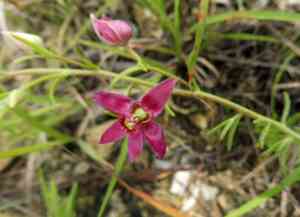
Trailing krameria (Krameria lanceolata)
Also known as: Prairie bur, Spreading ratany
Trailing krameria, scientifically known as Krameria lanceolata, is also referred to as white rhatany and prairie sandbur due to its burr-like fruit. This plant is native to the south-central regions of the United States and northern Mexico.
In This Article
Attributes of Trailing krameria
Lifespan
Perennial
Plant Type
Herb, Shrub
Plant Height
13 cm to 15 cm
Spread
2 m
Leaf Color
Deep green
Flower Size
2.5 cm
Flower Color
Purple Red
Images of Trailing krameria
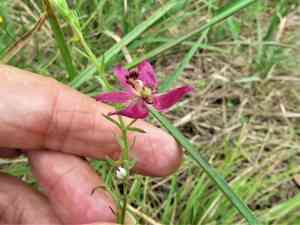
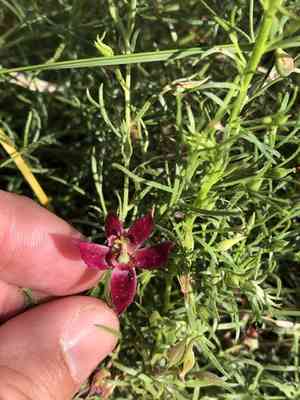
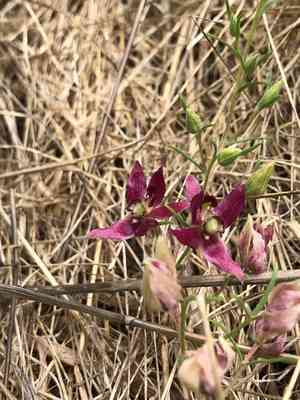
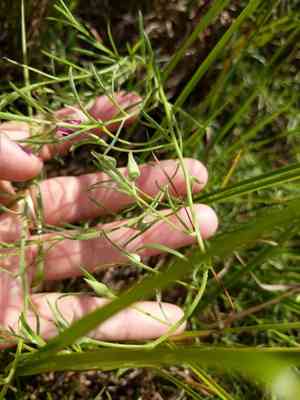
Quickly Identify Trailing krameria
1
Identifying Krameria lanceolata involves looking for its lance-shaped leaves and distinctive reddish-pink flowers. The plant typically grows low to the ground and has a bushy appearance.
Scientific Classification of Trailing krameria
Phylum
Vascular plants
Class
Dicotyledons
Order
Zygophyllales
Family
Kramerias
Genus
Rhatany
Species
Trailing krameria
Planting and Growing of Trailing krameria
Care Difficulty
Moderate
Watering Schedule
Every 2 days
Sunlight Requirements
Full sun
Sunshine Duration
6-10 hours
Ideal Temperature
68-77℉
Soil Type
Potting Mix, Peat Mix
Soil pH
6.5-7.5
Fertilizer Type
Balanced
Pruning Season
Spring, Summer
Pruning Area
Branches, Leaves
Pruning Frequency
2 times a year
Repotting Season
Spring
Pot Type
Plastic, Ceramic
 How to Water Trailing krameria?
Krameria lanceolata thrives in environments that mimic its native semi-arid habitats. Watering should be moderate, about 500 milliliters per session, ensuring the soil is thoroughly moistened but not waterlogged. Allow the soil to completely dry out between waterings to prevent root rot.
What are the symptoms of an underwatered Trailing krameria?
›
What should I do if my Trailing krameria is not getting enough water?
›
What are the symptoms of an overwatered Trailing krameria?
›
How to save an overwatered Trailing krameria?
›
 What Are the Sunlight Requirements for Trailing krameria?
Krameria lanceolata prefers a light range of half to full day sunlight. Ideal lighting ensures this plant can maintain vigorous growth, ample flowering, and overall better resilience and health.
What is the best lighting condition for Krameria lanceolata?
›
How can I ensure Krameria lanceolata receives ideal lighting?
›
What benefits does Krameria lanceolata gain from ideal lighting?
›
 What Is the Ideal Temperature Range for Trailing krameria?
For optimal growth, Krameria lanceolata thrives in a temperature range between 68°F and 77°F. This range ensures that the plant's physiological processes such as photosynthesis and nutrient absorption occur efficiently.
 What Soil is Best for Trailing krameria?
Krameria lanceolata thrives in well-drained soil as it prevents root rot and ensures that the plant's roots receive adequate oxygen. This condition is ideal for the plant to develop a strong root system and healthy growth. While not overly demanding, the plant benefits from soil with moderate nutrient levels. This supports its growth without the risk of root burn associated with overly rich soils. Balanced nutrients ensure vibrant foliage and robust flowering. With a preference for slightly alkaline soil pH, Krameria lanceolata can access essential nutrients more efficiently, promoting a healthier plant overall. Alkaline conditions assist in optimal nutrient uptake, crucial for its vitality.
 How to Fertilize Trailing krameria?
For Krameria lanceolata, the amount of fertilizer applied should be on the modest side, since it is a plant that naturally thrives in nutrient-poor soils. It is recommended to use half the labeled strength for liquid fertilizers, ensuring the plant doesn’t get overwhelmed. Apply approximately 1 tablespoon of a balanced slow-release fertilizer per plant annually.
 How to Prune Trailing krameria?
Begin by identifying dead or weak branches and remove them at the base. Follow by lightly trimming the foliage to maintain a balanced and aesthetically pleasing shape. Ensure ventilation and sunlight penetration by thinning out congested areas. To enhance flowering, focus on tip pruning where necessary. Remove spent flowers and weak stems to channel the plant's energy into producing more robust blooms. Pruning after the flowering cycle maximizes results.
 How to Propagate Trailing krameria plant?
1
Select healthy, robust stems and cut a section that is about 10-15 cm long. Ensure the cut is made at an angle to increase the surface area for rooting. Remove leaves from the lower part of the cutting to prevent rot.
2
Dip the cut end of each stem into a rooting hormone powder or solution. This helps encourage faster root development. Shake off any excess powder before planting the cuttings in prepared containers.
3
Fill small pots with a well-draining potting mix. Insert the cuttings into the soil, ensuring that the cut end is securely planted. Water lightly to settle the soil around the cuttings, keeping it moist but not waterlogged.
 How to Repot Trailing krameria plant?
1
If your Krameria lanceolata shows signs of roots pushing out from the bottom of the pot, soil drying out too quickly, or stunted growth, it's time to repot. These indicators signal that the plant is outgrowing its pot and needs more space to thrive.
2
Choose a pot that's one size larger than the current one, with good drainage holes. Opting for a slightly wider pot prevents waterlogging and root rot, promoting healthy root development and improving the plant's stability and overall growth.
3
Select a well-draining sandy soil, as it mimics Krameria lanceolata's natural environment. This type of soil prevents water retention, reducing the risk of root rot and ensures that your plant receives the proper air circulation needed for robust growth.
Learn More About Trailing krameria Diseases
Anthracnose
Bacterial Leaf Spot
Bacterial Wilt
Crown Gall
Cyst Nematode
Damping-off
Downy Mildew
Drought Stress
Fusarium Wilt
Gray Mold
Leaf Curl
Leaf Spot
Mosaic
Nutrient Deficiency
Nutrient Toxicity
Powdery Mildew
Root Rot
Root-knot Nematode
Rusts
Sooty Mold
Spider Mites
Temperature Stress
Thrips Damage
White Mold


