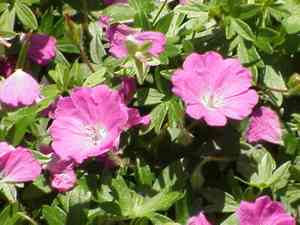
White ratany (Krameria grayi)
Also known as: Rhatany, Krameria
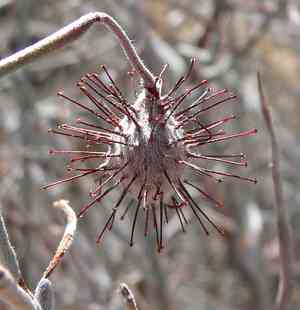
White ratany (Krameria grayi) is a perennial shrub notable for its grayish-green to grayish-white leaves and striking red-purple flowers that bloom from spring through fall. The fruit, which matures in the fall, is purple and features curved spines. This plant is indigenous to the arid regions of Baja California in Mexico, as well as the southwestern United States. It typically thrives in dry, rocky soils and desert landscapes.
In This Article
Attributes of White ratany
Lifespan
Perennial, Annual
Plant Type
Shrub
Plant Height
61 cm to 1.5 m
Spread
90 cm
Leaf Color
Grey-green
Flower Size
1 to 2 centimeters
Flower Color
Pink Purple
Images of White ratany
Quickly Identify White ratany
1
Identification of Krameria grayi can be done by observing its low-growing, bushy structure with grey-green leaves and its characteristic red flowers. The leaves are small, narrow, and can be slightly hairy. The plant typically bears fruits that are spiny and burr-like.
Scientific Classification of White ratany
Phylum
Vascular plants
Class
Dicotyledons
Order
Zygophyllales
Family
Kramerias
Genus
Rhatany
Species
White ratany
Planting and Growing of White ratany
Care Difficulty
Easy
Watering Schedule
Every 2 days
Sunlight Requirements
Full sun
Sunshine Duration
6-10 hours
Ideal Temperature
68-77℉
Soil Type
Potting Mix, Peat Mix
Soil pH
6.5-7.5
Fertilizer Type
Balanced
Pruning Season
Spring, Summer
Pruning Area
Branches, Leaves
Pruning Frequency
2 times a year
Repotting Season
Spring
Pot Type
Plastic, Terracotta
 How to Water White ratany?
Krameria grayi, known for its hardy nature, requires a balanced approach to watering. Typically, about 250 milliliters of water per session is suitable. The key is to ensure the soil is moist but not saturated, mimicking the occasional rainfalls in its desert habitats.
What are the symptoms of an underwatered White ratany?
›
What should I do if my White ratany is not getting enough water?
›
What are the symptoms of an overwatered White ratany?
›
How to save an overwatered White ratany?
›
 What Are the Sunlight Requirements for White ratany?
Krameria grayi thrives best in partial to full sunlight environments. Ideal conditions support optimal growth, potentially enhancing foliage color and encouraging flower production.
What is the ideal lighting for Krameria grayi?
›
How can I achieve ideal lighting for Krameria grayi?
›
What benefits does ideal lighting provide to Krameria grayi?
›
 What Is the Ideal Temperature Range for White ratany?
Krameria grayi thrives best in environments where the temperature is consistently between 68°F and 77°F. This range allows for optimal metabolic processes and ensures healthy growth and blooming. Maintaining this temperature range helps in preventing stress factors that can negatively affect the plant's development.
 What Soil is Best for White ratany?
Krameria grayi thrives in well-drained soil, which prevents water accumulation around the roots. This requirement is essential as it helps avoid root rot, ensuring the healthy growth and vitality of the plant. This plant benefits from soils with moderate nutrient content. Excessive nutrients can lead to lush foliage but poor flowering, while too little can stunt growth. A mix of sandy and gravelly soil helps in proper aeration. This texture ensures that roots get enough oxygen, thereby promoting healthy root development and improving the plant’s ability to absorb nutrients.
 How to Fertilize White ratany?
For Krameria grayi, a light application is ideal. Use about half the recommended dose on the fertilizer label to avoid over-fertilization. The plant prefers well-draining soil and does not thrive in nutrient-rich conditions, so minimalist fertilizing strategies work best.
 How to Prune White ratany?
Begin by removing any branches that are dead, diseased, or damaged. This will not only improve the plant's appearance but also help prevent the spread of diseases to healthy parts of the plant. When making cuts, ensure you cut just above a node or bud facing the direction you want new growth to develop. This encourages the plant to grow outward and maintain a more open shape, enhancing air circulation.
More About Pruning Techniques→
 How to Propagate White ratany plant?
1
Collect seeds from mature Krameria grayi plants during late spring when the pods are dry. Ensure the seeds are fully ripened for optimal germination rates. Store the seeds in a cool, dry place until ready to sow.
2
For cutting propagation, choose healthy, disease-free stems. Using a sharp knife, make a clean cut below the node. Remove lower leaves to reduce water loss and dip the cutting in rooting hormone before planting.
3
Sow seeds in prepared trays with well-draining soil mix, lightly covering them with soil. For cuttings, plant them in a pot with a suitable medium. Ensure adequate moisture and place them in a warm location with indirect sunlight.
 How to Repot White ratany plant?
1
Krameria grayi signals the need for repotting when its roots begin to circle the pot, appearing bound and growth is stunted. Another indication is when water drains too quickly or not at all, suggesting soil compaction. Early spring or autumn is ideal, as the plant is not in active bloom and can recover more swiftly.
2
Pick a pot with sufficient drainage holes and slightly larger than the current one to avoid overwatering. A breathable material like terracotta can be beneficial as it allows air circulation, reducing the risk of root rot. The pot should not be excessively large to ensure healthy root growth and establishment.
3
The ideal soil for repotting Krameria grayi is a well-draining cactus mix, rich in minerals with added coarse sand or perlite to enhance drainage. Proper soil selection prevents waterlogging, minimizes root rot risk, and supports the plant’s nutrient needs for healthy growth.
Learn More About White ratany Diseases
Anthracnose
Bacterial Leaf Spot
Bacterial Soft Rot
Bacterial Wilt
Black Spot
Chemical Injury
Crown Gall
Cyst Nematode
Damping-off
Downy Mildew
Drought Stress
Fusarium Wilt
Gray Mold
Leaf Curl
Leaf Spot
Mosaic
Nutrient Deficiency
Nutrient Toxicity
Powdery Mildew
Root Rot
Root-knot Nematode
Rusts
Sooty Mold
Spider Mites
Temperature Stress
Thrips Damage
White Mold



