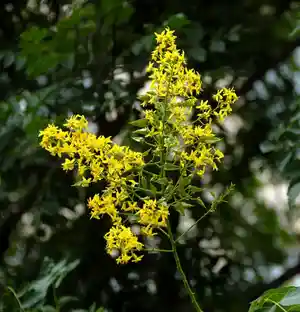
Goldenrain tree (Koelreuteria paniculata)
Also known as: China tree
The goldenrain tree is widely cultivated for its attractive leaves, flowers, and seedpods and thrives in temperate climates. However, in Florida, it is deemed invasive because it spreads rapidly, often outcompeting native species and disrupting local ecosystems. This rapid spread poses a threat to the state's biodiversity, despite the tree's ornamental appeal.
Attributes of Goldenrain tree
Images of Goldenrain tree
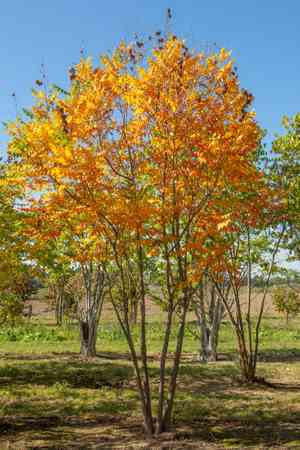
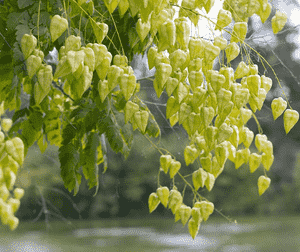
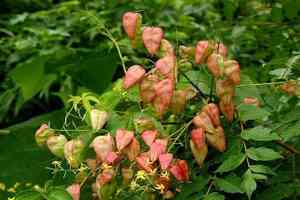

Quickly Identify Goldenrain tree
Scientific Classification of Goldenrain tree
Planting and Growing of Goldenrain tree
 How to Water Goldenrain tree?
 What Are the Sunlight Requirements for Goldenrain tree?
 What Is the Ideal Temperature Range for Goldenrain tree?
 What Soil is Best for Goldenrain tree?
 How to Fertilize Goldenrain tree?
 How to Prune Goldenrain tree?
 How to Propagate Goldenrain tree plant?
 How to Repot Goldenrain tree plant?
Toxicity of Goldenrain tree
Is Goldenrain tree toxic to cat?
The goldenrain tree is recognized for its harmful effects on cats. Felines risk poisoning if they accidentally ingest any portion of this plant. After consumption, cats may show signs of distress or illness, although the specific symptoms are not detailed. It is crucial to seek immediate veterinary care for any cat that has ingested parts of the goldenrain tree. Prompt treatment at a veterinary facility is vital to mitigate the impacts of poisoning and safeguard the health of the affected feline.
Is Goldenrain tree toxic to dog?
The Goldenrain tree poses a toxic risk to dogs. All parts of this plant are known to be poisonous, and if a canine consumes any portion, it may lead to poisoning. Symptoms of toxicity can manifest in dogs that have ingested the goldenrain tree. Therefore, it is vital for dog owners to keep a watchful eye on their pets and restrict their access to this plant. In the event that a dog ingests the goldenrain tree, seeking prompt veterinary care is essential for appropriate treatment and management.



