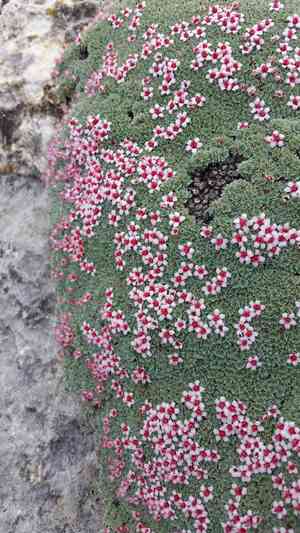
Oneflower kelseya (Kelseya uniflora)
Also known as: Kelseya, One-flowered Kelseya
Oneflower kelseya, the sole species in its genus, was discovered by a botanist in 1888 at Montana's Gate of the Mountains. Alpine garden enthusiasts cultivate this rare plant, which is considered imperiled in Wyoming.
In This Article
Attributes of Oneflower kelseya
Lifespan
Perennial
Plant Type
Shrub
Plant Height
2-5 cm (0.8-2 inches)
Spread
10-30 cm (4-12 inches)
Leaf Color
Gray-green
Flower Size
1-1.5 cm (0.4-0.6 inches)
Flower Color
White to pink
Images of Oneflower kelseya
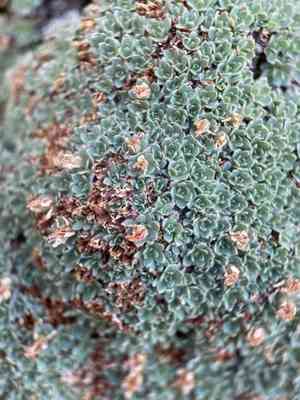
Quickly Identify Oneflower kelseya
1
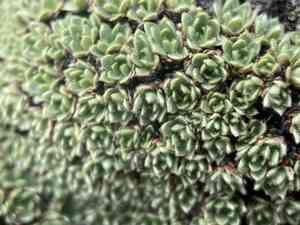
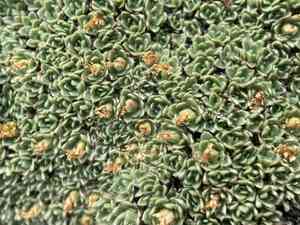
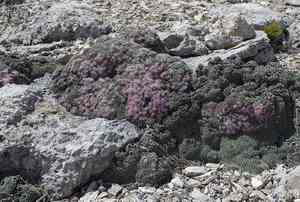
Kelseya uniflora can be identified by its dense, mat-forming growth habit, tiny, gray-green leaves, and single white to pink flowers that bloom in early to mid-spring. The plant forms low, cushion-like tufts and often grows in rocky crevices.
Scientific Classification of Oneflower kelseya
Phylum
Vascular plants
Class
Dicotyledons
Order
Rosales
Family
Rose
Genus
Kelseya
Species
Oneflower kelseya
Planting and Growing of Oneflower kelseya
Care Difficulty
Easy
Watering Schedule
Every 2 days
Sunlight Requirements
Full sun
Sunshine Duration
4-8 hours
Ideal Temperature
60-75℉
Soil Type
Potting Mix, Peat Mix
Soil pH
6.5-7.5
Fertilizer Type
Balanced
Pruning Season
Spring, Summer
Pruning Area
Branches, Leaves
Pruning Frequency
2 times a year
Repotting Season
Spring
Pot Type
Plastic, Ceramic
 How to Water Oneflower kelseya?
For Kelseya uniflora, it's crucial to maintain moderate moisture levels without saturating the soil. Ensure the soil is evenly moist but never waterlogged, as this plant prefers well-drained environments. Apply approximately 250 ml of water per session, allowing the top layer of soil to dry out slightly between waterings.
What are the symptoms of an underwatered Oneflower kelseya?
›
What should I do if my Oneflower kelseya is not getting enough water?
›
What are the symptoms of an overwatered Oneflower kelseya?
›
How to save an overwatered Oneflower kelseya?
›
 What Are the Sunlight Requirements for Oneflower kelseya?
Kelseya uniflora thrives best under partial to full sun. Ideal conditions ensure robust growth and vibrant blooms, enhancing the plant's natural drought resistance and overall vitality.
What is the best time of day for lighting?
›
What is the optimal location for placement?
›
How can artificial lighting aid its growth?
›
 What Is the Ideal Temperature Range for Oneflower kelseya?
The ideal temperature range for Kelseya uniflora is between 60°F and 75°F. This range ensures optimal photosynthesis and nutrient uptake, fostering robust growth and vibrant foliage. Maintaining this temperature range helps the plant to reach its full developmental potential without unnecessary stress.
 What Soil is Best for Oneflower kelseya?
Kelseya uniflora thrives in well-draining soil to prevent root rot. This demand ensures the roots get adequate air and avoid waterlogging, crucial for the plant's thriving growth. A nutrient-rich soil is essential for Kelseya uniflora. The abundance of organic matter supports vigorous growth and bright blooms, essential for this alpine plant. The soil should retain enough moisture without becoming waterlogged, allowing the plant's roots to stay hydrated yet breathe, which helps in consistent blooming.
 How to Fertilize Oneflower kelseya?
Kelseya uniflora requires a balanced approach to fertilization. For liquid fertilizers, use a half-strength solution to prevent nutrient burn. When using slow-release fertilizers, aim for about a tablespoon per square foot of soil. Ensure even distribution around the base of the plant.
 How to Prune Oneflower kelseya?
Start by inspecting the plant for any dead or damaged stems during late spring or early summer. Use clean, sharp pruning shears to make cuts at a 45-degree angle above a leaf node or bud. Remove any crossing or overcrowded branches to improve air circulation and light penetration, which are vital for the overall health of Kelseya uniflora. To shape Kelseya uniflora, focus on maintaining its natural mound-like form. Trim selectively to control size and remove any unruly growth that disrupts the plant's symmetry. This precision pruning not only enhances its aesthetic appeal but also contributes to its structural integrity and flowering potential.
 How to Propagate Oneflower kelseya plant?
1
Collect seeds from mature plants at the end of their growing season. Ensure the seeds are dry and suitable for sowing by storing them in a cool, dry place until you're ready to plant.
2
Take cuttings from healthy, disease-free branches. Use sterilized pruning shears to make a clean cut below a node, ideally selecting a stem with a few leaves on it.
3
Prepare a tray with well-draining soil. Plant seeds at the recommended depth and space, and insert cuttings into the soil after applying rooting hormone to encourage root growth.
 How to Repot Oneflower kelseya plant?
1
Kelseya uniflora needs repotting when its roots start growing through the drainage holes or when its growth significantly slows down. A good time to assess these signs is during early Spring or Summer, when the plant is in an active growth phase, enabling it to recover quickly from being disturbed.
2
Choose a pot that is only slightly larger than the current one, ideally with good drainage holes to prevent waterlogging. A pot made from terracotta is preferred as it is porous, allowing moisture to escape and improving root aeration. This ensures your Kelseya uniflora thrives in conditions reminiscent of its natural habitat.
3
Opt for a rocky, well-draining soil mix that mimics the plant’s native mountainous environments. The blend should include components like coarse sand, pumice, and gravel to ensure excellent drainage. This type of soil helps prevent root rot by allowing the water to pass through quickly, preventing stagnation.
Learn More About Oneflower kelseya Diseases
Anthracnose
Bacterial Leaf Spot
Bacterial Soft Rot
Bacterial Wilt
Crown Gall
Cyst Nematode
Damping-off
Downy Mildew
Drought Stress
Fusarium Wilt
Gray Mold
Leaf Spot
Mosaic
Nutrient Deficiency
Nutrient Toxicity
Powdery Mildew
Root Rot
Root-knot Nematode
Rusts
Sooty Mold
Spider Mites
Temperature Stress
Thrips Damage
White Mold



