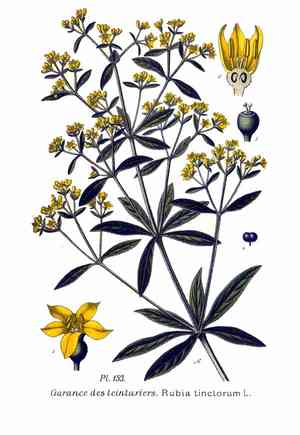
Milk kelloggia (Kelloggia galioides)
Also known as: Kellogg's bedstraw
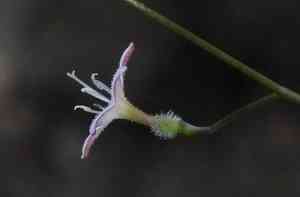
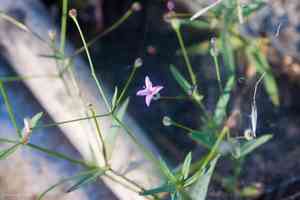
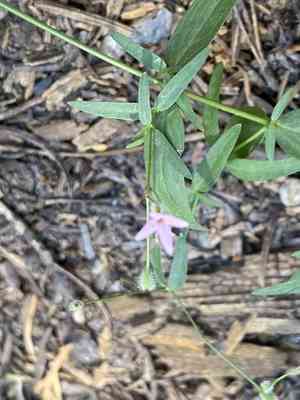
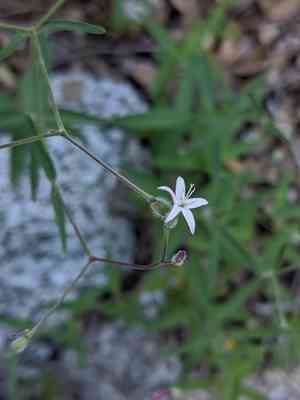
The plant in question is likely the milk kelloggia. It is a perennial herb featuring small, vibrant pink or white flowers at the ends of its stems. These flowers bloom from late spring through late summer and eventually develop into hairy green fruits. This herb is mainly found in the western regions of the United States.
In This Article
Attributes of Milk kelloggia
Lifespan
Perennial
Plant Type
Herb
Plant Height
40 cm
Spread
10-30 cm
Leaf Color
Green
Flower Size
4 mm to 8 mm
Flower Color
White Pink Purple
Images of Milk kelloggia
Quickly Identify Milk kelloggia
1
Kelloggia galioides can be identified by its slender stems, whorled leaves, and small white flowers. The leaves are typically linear to lanceolate, and the flowers have 5 to 6 pointed petals.
Scientific Classification of Milk kelloggia
Phylum
Vascular plants
Class
Dicotyledons
Order
Gentianales
Family
Madder
Genus
Kelloggia
Species
Milk kelloggia
Planting and Growing of Milk kelloggia
Care Difficulty
Easy
Watering Schedule
Every 2 days
Sunlight Requirements
Partial sun
Sunshine Duration
6-10 hours
Ideal Temperature
65-75℉
Soil Type
Potting Mix, Peat Mix
Soil pH
6.5-7.5
Fertilizer Type
Balanced
Pruning Season
Spring, Summer
Pruning Area
Branches, Leaves
Pruning Frequency
2 times a year
Repotting Season
Spring
Pot Type
Plastic, Ceramic
 How to Water Milk kelloggia?
When watering Kelloggia galioides, ensure that the soil is moistened adequately yet not saturated. Aim for around 300 ml of water at a time, allowing it to soak through without turning the soil into a water-logged bog. The cardinal rule is to keep the medium consistently damp but never swampy.
What are the symptoms of an underwatered Milk kelloggia?
›
What should I do if my Milk kelloggia is not getting enough water?
›
What are the symptoms of an overwatered Milk kelloggia?
›
How to save an overwatered Milk kelloggia?
›
 What Are the Sunlight Requirements for Milk kelloggia?
Partial sunlight, especially gentle morning sun, is ideal. This mimics the plant's natural habitat, promoting healthy growth, vibrant interest, and ensuring that the foliage remains lush and robust over time.
How much sunlight does Kelloggia galioides need daily?
›
What are the ideal light conditions for Kelloggia galioides?
›
How can I provide the best light for Kelloggia galioides indoors?
›
 What Is the Ideal Temperature Range for Milk kelloggia?
Kelloggia galioides thrives best when grown in a temperature range of 65°F to 75°F. At this temperature range, the plant can efficiently manage its metabolic processes, ensuring optimal growth and development. It is essential to maintain these temperatures to facilitate photosynthesis, transpiration, and other physiological functions that are critical to the plant's health.
 What Soil is Best for Milk kelloggia?
Kelloggia galioides thrives in well-drained soil as it prevents waterlogging. This type of soil ensures that roots receive adequate air, reducing the risk of root rot and promoting healthy growth. A soil rich in organic matter supports the growth of Kelloggia galioides by providing essential nutrients. This nutrient reservoir helps maintain robust plant development and enhances flowering. While Kelloggia galioides appreciates moisture, it also needs a soil that does not retain too much water. This balance prevents nutrient deficiencies and maintains optimal growing conditions.
 How to Fertilize Milk kelloggia?
Kelloggia galioides thrives with a balanced nutrient intake. Use a water-soluble fertilizer at a concentration of 1/4 teaspoon per gallon of water for liquid feeds, ensuring nutrients are available without overwhelming the plant. This promotes healthy growth and vibrant foliage.
 How to Prune Milk kelloggia?
Begin by examining your plant for any dead or diseased stems. These should be cut back to the healthy part of the tissue, promoting overall plant health and preventing the spread of disease. After attending to the health of the plant, prune for shape and structure. This includes cutting back overgrown branches to maintain a pleasing form and ensuring accessibility to sunlight and air circulation. Target dense areas of growth during pruning to improve air circulation. This helps to reduce humidity around the plant, warding off fungal infections common in dense foliage.
More About Pruning Techniques→
 How to Propagate Milk kelloggia plant?
1
Choose mature, healthy seeds from a reliable source. Cleaning the seeds can improve germination rates. Ensure they are stored in a cool, dry place until you're ready to plant them in early spring.
2
Select a healthy, robust branch and cut a 4-6 inch section. Remove lower leaves and ensure at least one set of leaves remains on the top. Use sharp shears to avoid crushing plant tissue.
3
Use a well-draining potting mix for both seeds and cuttings. Ensure the medium is sterile to prevent fungal infections. The cutting's node should be just below soil level, and seeds should be lightly covered.
 How to Repot Milk kelloggia plant?
1
Kelloggia galioides needs repotting when roots are visibly growing out of the drainage holes or the plant has become root-bound. Other signals include reduced growth and quick drying of soil after watering. Ideally, repot during its growth seasons of spring or summer for best recovery.
2
Select a pot that is 2-3 inches larger in diameter than the current one to allow for root growth. Ensure it has adequate drainage holes to prevent waterlogging. The right-sized pot encourages healthy root expansion and prevents root rot.
3
Opt for a well-drained sandy loam soil mix that can effectively hold moisture but drains excess water efficiently. This soil type significantly benefits Kelloggia galioides by preventing root rot and providing adequate nutrients for its growth.
Learn More About Milk kelloggia Diseases
Anthracnose
Bacterial Leaf Spot
Bacterial Soft Rot
Bacterial Wilt
Black Spot
Chemical Injury
Crown Gall
Cyst Nematode
Damping-off
Downy Mildew
Drought Stress
Fusarium Wilt
Gray Mold
Leaf Curl
Leaf Spot
Mosaic
Nutrient Deficiency
Nutrient Toxicity
Powdery Mildew
Root Rot
Root-knot Nematode
Rusts
Sooty Mold
Spider Mites
Temperature Stress
Thrips Damage
White Mold



