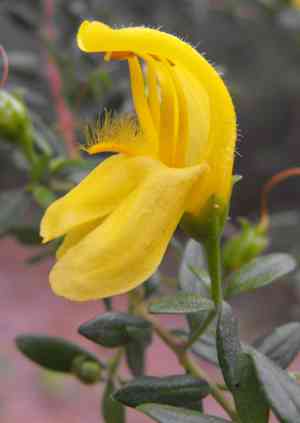
Snapdragon penstemon (Keckiella antirrhinoides)
Also known as: Chaparral beardtongue
Snapdragon penstemon is a resilient shrub characterized by its tall, upright stature and distinctive yellow to reddish, snapdragon-like flowers. Its wiry stems and sparse leaves are well-suited to arid landscapes. The plant's ability to endure intense sunlight and tolerate drought conditions is key to its success in rocky, well-drained soils. These adaptations highlight its capacity to thrive in harsh, dry environments.
In This Article
Attributes of Snapdragon penstemon
Lifespan
Perennial
Plant Type
Shrub
Plant Height
1.8 m to 3.5 m
Spread
1.8 m
Leaf Color
Green
Flower Size
1 to 2 centimeters
Flower Color
Yellow
Images of Snapdragon penstemon
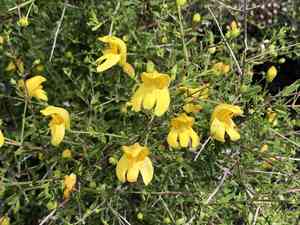
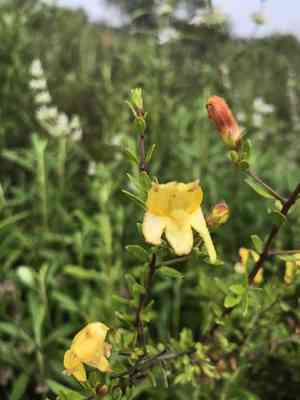
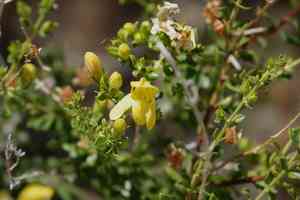
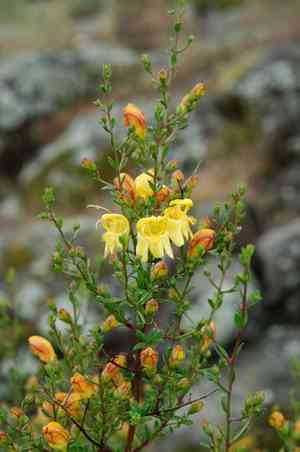
Quickly Identify Snapdragon penstemon
1
Look for its distinctive yellow, tubular flowers that resemble snapdragons. The leaves are narrow and lance-shaped, and the plant has a shrubby habit.
Scientific Classification of Snapdragon penstemon
Phylum
Vascular plants
Class
Dicotyledons
Order
Lamiales
Family
Plantain
Genus
Keckiellas
Species
Snapdragon penstemon
Planting and Growing of Snapdragon penstemon
Care Difficulty
Moderate
Watering Schedule
Every 2 days
Sunlight Requirements
Full sun
Sunshine Duration
6-12 hours
Ideal Temperature
60-75℉
Soil Type
Potting Mix, Peat Mix
Soil pH
6.5-7.5
Fertilizer Type
Balanced
Pruning Season
Spring, Summer
Pruning Area
Branches, Leaves
Pruning Frequency
2 times a year
Repotting Season
Spring
Pot Type
Plastic, Ceramic
 How to Water Snapdragon penstemon?
Keckiella antirrhinoides thrives in well-drained soil and prefers moderate watering. When you water, ensure the top 2-3 inches of the soil are moist, without leaving the plant waterlogged. This usually means using about 150 ml of water, allowing the soil to dry out almost completely between waterings.
What are the symptoms of an underwatered Snapdragon penstemon?
›
What should I do if my Snapdragon penstemon is not getting enough water?
›
What are the symptoms of an overwatered Snapdragon penstemon?
›
How to save an overwatered Snapdragon penstemon?
›
 What Are the Sunlight Requirements for Snapdragon penstemon?
Keckiella antirrhinoides thrives in full to partial sun. Ideal light conditions maximize blooming and enhance foliage color, resulting in a healthy, vigorous plant.
What is the ideal location for Keckiella antirrhinoides?
›
How can you simulate ideal conditions indoors?
›
What benefits does ideal lighting provide?
›
 What Is the Ideal Temperature Range for Snapdragon penstemon?
For optimal growth, Keckiella antirrhinoides thrives best in temperatures ranging from 60°F to 75°F. These conditions mimic a temperate climate, providing the warmth necessary for healthy photosynthesis, without being so hot as to stress the plant.
 What Soil is Best for Snapdragon penstemon?
Keckiella antirrhinoides thrives in nutrient-poor conditions, which mimic its native habitat's settings. Minimal intervention ensures the plant's natural resilience and flowering potential remain high, creating a low-maintenance but lush garden display. The plant requires soil that offers good drainage to prevent waterlogging. This preference reduces the risk of root rot and other fungal diseases, allowing the plant to focus its energy on growth and reproduction rather than survival. This species prefers slightly alkaline environments. Such conditions enable optimal nutrient absorption, leading to a healthier plant structure and vibrant foliage, enhancing the overall beauty of your landscape.
 How to Fertilize Snapdragon penstemon?
For Keckiella antirrhinoides, the ideal fertilizer amount depends on its growth stage. During the growing season, use a balanced 10-10-10 liquid fertilizer, diluted to half the strength recommended on the package. Apply 1 cup per plant every two weeks to promote healthy growth and flowering. During dormant periods, reduce the frequency to prevent nutrient build-up.
 How to Prune Snapdragon penstemon?
Begin by examining the plant for any dead or diseased branches. Remove these affected areas by cutting them back to the main stem. This step is crucial to stop the spread of disease and promote the vitality of the remaining healthy parts of the plant. Follow the natural shape of Keckiella antirrhinoides to maintain its natural aesthetics. Gradually trim back overgrown branches, keeping the plant's form in mind. Make each cut just above a node, which is where new growth will appear, to encourage a fuller, bushier appearance. For older Keckiella antirrhinoides plants that appear woody and leggy, consider a more intensive rejuvenation pruning. Cut back about one-third of the oldest branches to their base, encouraging vigorous new growth and extending the plant’s lifespan.
More About Pruning Techniques→
 How to Propagate Snapdragon penstemon plant?
1
Collect seeds from mature plants in late spring. Clean the seeds to remove any surrounding debris. It is recommended to stratify seeds by keeping them in the fridge for a few weeks to mimic winter conditions.
2
Select a healthy plant and cut a 4-6 inch stem just below a node in early summer. Remove the lower leaves and dip the end in rooting hormone to encourage root growth.
3
Sow seeds or plant cuttings in a well-draining mix. Maintain moisture by misting regularly. Place in a warm, well-lit area but avoid direct sunlight to prevent scorching or desiccation.
 How to Repot Snapdragon penstemon plant?
1
The Keckiella antirrhinoides shows signs of needing repotting when its roots start to circle tightly within the pot or protrude through the drainage holes. Other signals include reduced flowering or slower growth despite consistent care. Ideally, repot during active growth periods like spring or early summer for optimal adjustment.
2
Selecting a new pot for Keckiella antirrhinoides requires careful attention to size and material. Choose a pot that is just slightly larger than the current one, ensuring better water retention yet avoiding waterlogged conditions. A pot with good drainage, such as those made from terra cotta or plastic with ample holes, works well.
3
Opt for a soil mix that promotes optimal drainage and aeration, like a well-draining sandy loam. This type of soil prevents waterlogging while allowing roots to breathe effectively, enhancing the health and growth of Keckiella antirrhinoides. A peat-based mix with added perlite can also work excellently.
Learn More About Snapdragon penstemon Diseases
Anthracnose
Bacterial Leaf Spot
Bacterial Wilt
Crown Gall
Damping-off
Downy Mildew
Drought Stress
Fusarium Wilt
Gray Mold
Leaf Curl
Leaf Spot
Mosaic
Nutrient Deficiency
Nutrient Toxicity
Powdery Mildew
Root Rot
Root-knot Nematode
Rusts
Sooty Mold
Spider Mites
Temperature Stress
Thrips Damage
White Mold



