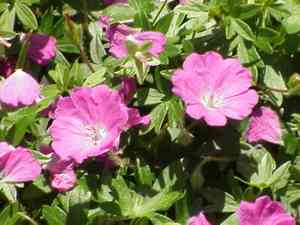
California caltrop (Kallstroemia californica)
Also known as: California caltrop
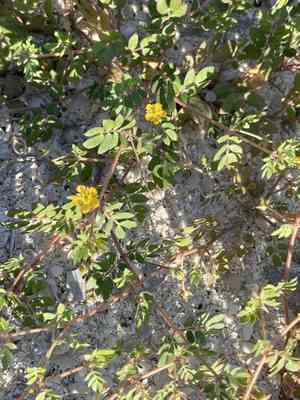
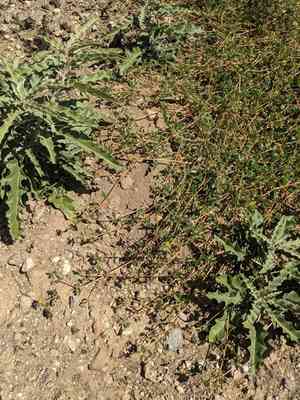
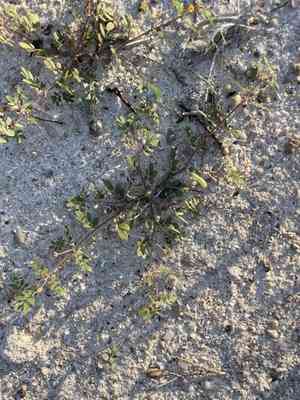
Kallstroemia californica, also known as California Caltrop, is a low-growing annual herb that forms dense, carpet-like mats. The plant features branching stems with compound leaves, each comprising several pairs of small, oval green leaflets spaced apart. Its flowers are solitary, showcasing five rounded or oval petals, accompanied by a cluster of ten stamens.
This species typically thrives in sandy and gravelly soils, often found in desert washes and disturbed areas of arid and semi-arid regions in the southwestern United States and northern Mexico. It is well-suited to hot, dry environments.
In This Article
Attributes of California caltrop
Lifespan
Annual
Plant Type
Herb
Plant Height
10-30 cm
Spread
30-60 cm
Leaf Color
Green
Flower Size
2-3 cm
Flower Color
Yellow
Images of California caltrop
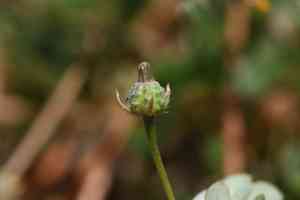
Quickly Identify California caltrop
1
Kallstroemia californica can be identified by its sprawling habit, reddish stems, pinnate leaves, and bright yellow flowers. The flowers usually have five petals and numerous stamens.
Scientific Classification of California caltrop
Phylum
Vascular plants
Class
Dicotyledons
Order
Zygophyllales
Family
Creosote-bush
Genus
Kallstroemia
Species
California caltrop
Planting and Growing of California caltrop
Care Difficulty
Easy
Watering Schedule
Every 2 days
Sunlight Requirements
Full sun
Sunshine Duration
4-8 hours
Ideal Temperature
68-86℉
Soil Type
Potting Mix, Peat Mix
Soil pH
6.5-7.5
Fertilizer Type
Balanced
Pruning Season
Spring, Summer
Pruning Area
Branches, Leaves
Pruning Frequency
2 times a year
Repotting Season
Spring
Pot Type
Plastic, Ceramic
 How to Water California caltrop?
When it comes to watering Kallstroemia californica, aim to deliver about 250 ml once every watering session. The goal is to moisten the soil to a depth of about 2-3 inches, ensuring the roots have enough access to water without being waterlogged. Always check that the top inch of soil is dry before adding more water to avoid over-saturation.
What are the symptoms of an underwatered California caltrop?
›
What should I do if my California caltrop is not getting enough water?
›
What are the symptoms of an overwatered California caltrop?
›
How to save an overwatered California caltrop?
›
 What Are the Sunlight Requirements for California caltrop?
Kallstroemia californica benefits from full sun exposure. Such conditions enhance its natural ability to blossom profusely and maintain dense foliage, contributing to a healthier plant.
How much sunlight should Kallstroemia californica receive?
›
What are possible solutions for providing ideal sunlight?
›
What benefits does it receive from ideal sunlight conditions?
›
 What Is the Ideal Temperature Range for California caltrop?
Kallstroemia californica, also known as California caltrop, thrives best within temperatures ranging from 68°F to 86°F. This range allows the plant to sustain optimal photosynthesis and respiration rates, which in turn supports its growth and blooming processes. Maintaining this temperature range ensures the plant can grow healthily and produce vibrant flowers.
 What Soil is Best for California caltrop?
Kallstroemia californica thrives in well-draining soil as it prevents waterlogging, ensuring that the plant's roots do not suffocate. This characteristic promotes healthy root development, enabling the plant to absorb nutrients efficiently and maintain overall vitality. This plant does well in slightly acidic to neutral pH levels, ideally between 6.5 and 7.5. Such pH conditions facilitate optimal nutrient availability and uptake, which translates to healthier growth and vibrant foliage. While some plants require rich organic soils, Kallstroemia californica can manage with soils low in organic material, reducing the risk of over-fertilization and ensuring a natural growth pace that suits its native habitat.
 How to Fertilize California caltrop?
Kallstroemia californica, commonly known as California caltrop, requires a balanced approach to fertilization. Utilize a diluted liquid fertilizer, aiming for a concentration of about 1/4th the recommended strength for flowering plants. This helps avoid nutrient burn and supports healthy growth. A typical amount would be around 5 milliliters of liquid fertilizer mixed with 1 liter of water.
 How to Prune California caltrop?
Start by removing any dead, diseased, or damaged branches. These are usually less vibrant in color and may show signs of wilting or fungal growth. Prune back to where the branch meets a healthy section. Trim away excess growth to maintain the desired shape of the plant. Typically, Kallstroemia californica has a sprawling growth habit, so consider training it by cutting back longer stems to encourage fuller growth and more blooms. After pruning, ensure the plant receives adequate water and sunlight. Apply a balanced fertilizer to encourage new growth and assist the plant in recovering from any stress caused by pruning.
More About Pruning Techniques→
 How to Propagate California caltrop plant?
1
Fill seed trays with sterilized potting mix, ensuring an even surface for seed placement. The medium should be moistened lightly but not excessively damp to support germination.
2
Place the seeds evenly across the soil surface, pressing them gently into the potting mix. Ensure proper spacing to prevent overcrowding, which can hinder seedling development.
3
Cover seeds lightly with a thin layer of soil, and mist them gently. Place trays in a bright location but away from direct sunlight to prevent overheating and ensure consistent moisture levels during germination.
 How to Repot California caltrop plant?
1
Repotting Kallstroemia californica should be done when the plant outgrows its current pot, which is typically after two years of growth. Signs that indicate a need for repotting include roots emerging from drainage holes and slow growth despite adequate care. Spring and early summer are the ideal times to repot, providing a growing season for the plant to acclimate and thrive in its new environment.
2
Selecting an appropriate pot for Kallstroemia californica involves choosing one slightly larger than the current pot to accommodate growth. Ensure it has good drainage to prevent root rot. Terracotta pots are an excellent choice as they are porous, promoting air circulation to roots, crucial for desert-adapted plants. This type also adds a rustic appeal to your plant display.
3
Utilize well-draining sandy soil that mimics the plant's natural habitat. This soil type prevents waterlogging and provides the necessary aeration. The incorporation of grit or perlite is advantageous, ensuring excess water drains effectively, thereby reducing the risk of root rot. This soil structure supports healthy root growth, essential for a thriving plant.
Toxicity
Ingestion
WARNING
The judgment on toxicity and danger is for reference only. We DO NOT GUARANTEE any accuracy of such judgment. Therefore, you SHALL NOT rely on such judgment. It is IMPORTANT TO SEEK PROFESSIONAL ADVICE in advance when necessary.
Learn More About California caltrop Diseases
Anthracnose
Bacterial Leaf Spot
Bacterial Wilt
Chemical Injury
Crown Gall
Cyst Nematode
Damping-off
Downy Mildew
Drought Stress
Fusarium Wilt
Gray Mold
Leaf Curl
Leaf Spot
Mosaic
Nutrient Deficiency
Nutrient Toxicity
Powdery Mildew
Root Rot
Root-knot Nematode
Rusts
Sooty Mold
Spider Mites
Temperature Stress
Thrips Damage
White Mold



