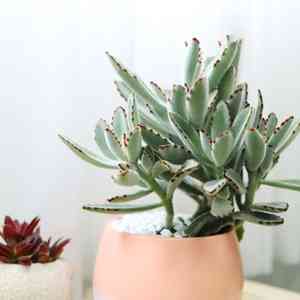
Chocolate soldier(Kalanchoe tomentosa)

Chocolate soldier (Kalanchoe tomentosa)

Also known as: Pussy ears

Popular with indoor succulent enthusiasts, the fuzzy chocolate soldier (Kalanchoe tomentosa) can live under bright artificial light. Conversely, it can survive better than most related succulents under limited-sunlight conditions. Be aware that this common houseplant is toxic to both cats and dogs.

Attributes of Chocolate soldier

Lifespan
Perennial
Plant Type
Succulent, Herb
Plant Height
30 cm to 90 cm
Spread
60 cm to 90 cm
Leaf Color
Green Silver Brown
Flower Size
1-1.5 cm (0.4-0.6 inches)
Flower Color
Yellow Green Purple Red Orange

ForwardPlant - Identify plants with a snap

Identify and diagnose plants, get toxicity alerts, and explore safety guides for all types of fungi.

Try for Free

Images of Chocolate soldier

Chocolate soldier(Kalanchoe tomentosa)

Quickly Identify Chocolate soldier

1
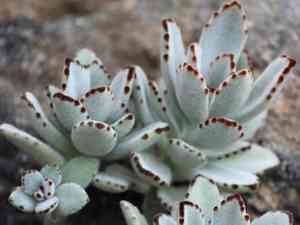
Identify Kalanchoe tomentosa by its soft, felt-like leaves covered in tiny hairs, which give the plant a greyish appearance with brown spots on the leaf margins.

Scientific Classification of Chocolate soldier

Phylum
Vascular plants
Class
Dicotyledons
Order
Saxifragales
Family
Stonecrop
Genus
kalanchoe
Species
Chocolate soldier

Planting and Growing of Chocolate soldier

Care Difficulty
Easy
Watering Schedule
Every 2 days
Sunlight Requirements
Full sun
Sunshine Duration
6-10 hours
Ideal Temperature
65-75℉
Soil Type
Potting Mix, Peat Mix
Soil pH
6-7.5
Fertilizer Type
Balanced
Pruning Season
Spring, Summer
Pruning Area
Branches, Leaves
Pruning Frequency
2 times a year
Repotting Season
Spring
Pot Type
Plastic, Ceramic

water icon How to Water Chocolate soldier?

When watering Kalanchoe tomentosa, ensure that the water soaks down to the roots without leaving the soil waterlogged. Typically, 100 milliliters is sufficient to moisten the soil around a standard-sized pot, but make sure to adjust based on the plant's size and pot dimensions. The soil should be allowed to dry out completely between waterings to mimic the plant's natural arid environment.
What are the symptoms of an underwatered Chocolate soldier?
What should I do if my Chocolate soldier is not getting enough water?
What are the symptoms of an overwatered Chocolate soldier?
How to save an overwatered Chocolate soldier?
More About Watering Techniques

sunlight icon What Are the Sunlight Requirements for Chocolate soldier?

Sunlight Requirements: Full sun, Partial sun
Duration of light: 4 to 6 hours
Partial to full sun exposure ensures Kalanchoe tomentosa gets healthy growth, vivid coloration, and strong blooming cycles, enhancing its ornamental qualities.
What is the best location for Kalanchoe tomentosa?
How to simulate ideal light conditions indoors?
What are the benefits of ideal lighting for Kalanchoe tomentosa?
More About Sunlight Requirements Techniques

temperature icon What Is the Ideal Temperature Range for Chocolate soldier?

Ideal Temperature: 65 ~ 75℉
The ideal temperature range for Kalanchoe tomentosa is between 65°F and 75°F. At these temperatures, the plant’s physiological processes, such as photosynthesis and transpiration, occur optimally. Maintaining this range helps ensure healthy growth and vibrant foliage. Extreme fluctuations outside of this range can stress the plant, leading to potential issues in growth and overall health.

soil icon What Soil is Best for Chocolate soldier?

Soil type: Sandy soil, Loam
Soil PH: 6 ~ 7.5
Kalanchoe tomentosa thrives in soil that drains well to prevent root rot. Incorporating sand or grit can enhance drainage, allowing water to flow freely through the soil. While well-drained, the soil must still support plant growth with essential nutrients. Ensuring adequate organic matter helps the plant maintain lush foliage. Although drought-tolerant, this plant does its best in soil that is not entirely dry. A careful balance of moisture prevents wilting during hot climates. More About Soil

fertilize icon How to Fertilize Chocolate soldier?

Fertilizer type: Balanced
For Kalanchoe tomentosa, apply a balanced liquid fertilizer diluted to half strength. This ensures the plant receives nutrients without overwhelming its roots. Use about 1/4 cup per plant to avoid nutrient burn, especially during its growing phase in spring and summer.

prune icon How to Prune Chocolate soldier?

Pruning Time: Spring, Summer
Begin by sterilizing your pruning shears with alcohol or boiling water to prevent disease spread. Identify the stems that look overgrown or unhealthy. Cut these stems back to just above the node or where you want new branching to occur. Remove any dried flowers or leaves to encourage new growth and maintain plant health. Dispose of all plant debris to avoid any pest infestations.

propagate icon How to Propagate Chocolate soldier plant?

Propagate Time: Spring, Summer
1
Choose a healthy and mature stem from the Kalanchoe tomentosa with several leaves and no signs of disease. A healthy stem ensures that the cutting has the best chance of developing strong roots.
2
Use a sterilized knife or pruning shears to make a clean cut just below a node. This helps the cutting absorb moisture and nutrients while inhibiting diseases at the cutting point.
3
Let the cut end of the stem dry and callous over for a few days. Keeping the cutting in a dry, warm place helps prevent rot and increases the cutting's beginnings of root growth.
More About Propagating Techniques

repot icon How to Repot Chocolate soldier plant?

Repotting frequency: Every 2-3 years
1
Repot Kalanchoe tomentosa when you notice roots emerging from the drainage holes or if water takes a long time to drain. This indicates the plant has become root-bound and needs a larger space to thrive.
2
Select a pot that's one size larger than the current one, with ample drainage holes. A breathable material like terracotta is ideal as it helps prevent root rot by allowing excess moisture to escape.
3
Opt for a well-draining cactus or succulent soil mix. This helps avoid water retention, providing the roots with adequate aeration and reducing the risk of root rot.
More About Repotting Techniques

ForwardPlant - Identify plants with a snap

Find the best spots for them to optimize their health, simply using your phone.

Try for Free

Toxicity of Chocolate soldier

Is Chocolate soldier toxic to cat?

The chocolate soldier plant is recognized for its relatively low toxicity level in cats. If a cat ingests a considerable quantity of the plant, which encompasses all its parts, it may experience indigestion. Signs of physical discomfort or illness may arise in cats following exposure to chocolate soldier; however, serious reactions are fairly uncommon due to the plant’s mild toxicity. Considering the potential risk, cat owners are advised to keep a close watch on their pets and restrict access to this plant. Should there be any suspicion of chocolate soldier poisoning in a cat, seeking immediate veterinary assistance is crucial for the pet’s health and well-being.

Is Chocolate soldier toxic to dog?

The chocolate soldier plant presents a minor toxicity risk for dogs. Although it is not classified as highly toxic, consuming it in large amounts could result in poisoning. Dogs might be drawn to the chocolate soldier and nibble on its various parts, which are all regarded as toxic. Signs of poisoning in dogs may encompass vomiting, diarrhea, lethargy, or alterations in behavior. Should you suspect that your dog has ingested chocolate soldier, it is crucial to obtain immediate veterinary assistance to guarantee appropriate treatment and recovery.

Identify toxic plants for your safety

Learn which plants are harmful to you and your pets, and make informed choices for a safer home!

Try for Free
WARNING
The judgment on toxicity and danger is for reference only. We DO NOT GUARANTEE any accuracy of such judgment. Therefore, you SHALL NOT rely on such judgment. It is IMPORTANT TO SEEK PROFESSIONAL ADVICE in advance when necessary.
More About Toxic Techniques