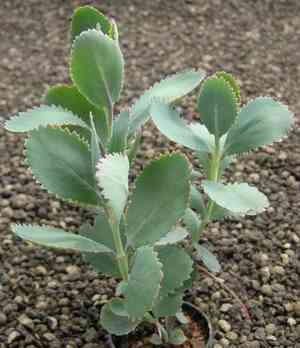
Kalanchoe serrata (Kalanchoe serrata)
Also known as: Crassulaceae
Kalanchoe serrata is a succulent plant known for its serrated leaf edges and distinctive foliage. It is native to Madagascar and is often cultivated for its aesthetic appeal and hardiness.
In This Article
Attributes of Kalanchoe serrata
Lifespan
Kalanchoe serrata is a perennial plant
Plant Height
12-18 inches
Spread
12-18 inches
Leaf Color
Dark Green
Flower Size
N/A
Flower Color
N/A
Images of Kalanchoe serrata
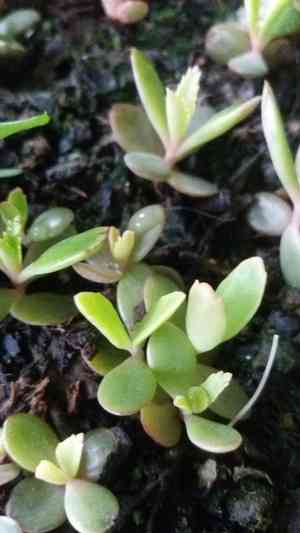
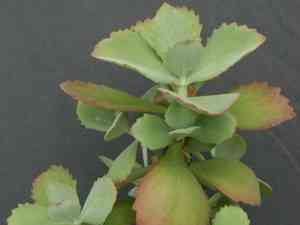
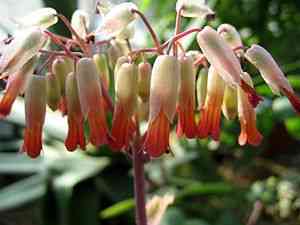
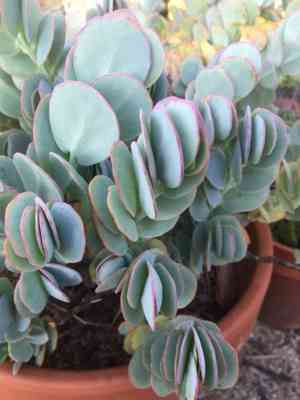
Quickly Identify Kalanchoe serrata
1
Identified by its thick, fleshy leaves with serrated edges, the leaves often have a grayish-green color and may develop a reddish hue at the edges when exposed to sufficient sunlight.
Scientific Classification of Kalanchoe serrata
Phylum
Tracheophyta
Class
Magnoliopsida
Order
Saxifragales
Family
Crassulaceae
Genus
Kalanchoe
Planting and Growing of Kalanchoe serrata
Care Difficulty
Easy
Watering Schedule
Every 2 days
Sunlight Requirements
Partial sun
Sunshine Duration
4-8 hours
Ideal Temperature
65-75℉
Soil Type
Potting Mix, Peat Mix
Soil pH
6.5-7.5
Fertilizer Type
Balanced
Pruning Season
Spring, Summer
Pruning Area
Branches, Leaves
Pruning Frequency
2 times a year
Repotting Season
Spring
Pot Type
Plastic, Ceramic
 How to Water Kalanchoe serrata?
Kalanchoe serrata should be watered thoroughly but sparingly, ensuring the soil is allowed to dry out completely between waterings. This succulent thrives in well-drained soils, so always check that the top inch of soil is dry before watering again.
What are the symptoms of an underwatered Kalanchoe serrata?
›
What should I do if my Kalanchoe serrata is not getting enough water?
›
What are the symptoms of an overwatered Kalanchoe serrata?
›
How to save an overwatered Kalanchoe serrata?
›
 What Are the Sunlight Requirements for Kalanchoe serrata?
Kalanchoe serrata ideally requires partial to full sun, which means providing it with about 4-6 hours of sunlight a day. This light balance ensures optimal growth, helping the plant maintain healthy foliage and encouraging beautiful flower development, particularly during blooming seasons.
What is the optimal light condition for Kalanchoe serrata?
›
How can I achieve the ideal lighting conditions for Kalanchoe serrata?
›
What are the benefits of Kalanchoe serrata receiving ideal light conditions?
›
 What Is the Ideal Temperature Range for Kalanchoe serrata?
Kalanchoe serrata thrives best in an environment where temperatures range between 65°F and 75°F. This range allows the plant to photosynthesize effectively and maintains its metabolic processes at optimum levels. Ensuring temperatures within this range will promote healthy growth and flowering in Kalanchoe serrata.
 What Soil is Best for Kalanchoe serrata?
Kalanchoe serrata thrives in well-drained soil, which prevents water logging and root rot. The roots should have ample space to breathe, avoiding fungal diseases associated with poor drainage. Soil rich in nutrients supports the plant’s vibrant growth and flowering. Employing organic matter increases nutrient availability, promoting healthier and more robust foliage. While well-drained soil is crucial, Kalanchoe serrata also benefits from moderate moisture retention. This balance ensures that the plant receives consistent moisture without excessive dryness or dampness.
 How to Fertilize Kalanchoe serrata?
For Kalanchoe serrata, the amount of fertilizer should be balanced and suitable for succulents. Use a diluted liquid fertilizer at half strength to avoid root burn. The amount per application should be approximately one tablespoon per gallon of water.
 How to Prune Kalanchoe serrata?
Be careful not to remove flower buds if you are keen on the blooms. Pruning in the right season helps avoid inadvertently cutting off future flowers. After pruning, keep an eye on the plant to ensure it recovers well. Adequate light and water play a crucial role in post-pruning recovery.
 How to Propagate Kalanchoe serrata plant?
1
Choose healthy, robust stems free from any signs of disease or pests. This will increase the success rate of propagation, as healthier specimens root more readily and establish themselves better.
2
Use sharp pruning shears to cut a 4-6 inch segment from the mother plant just below a node. Remove the lower leaves to prevent them from rotting when placed in soil or water for rooting.
3
Insert the cuttings into a well-draining potting mix, ensuring at least one node is below the soil surface. Keep the cuttings in a warm, bright, but indirect sunlight location to encourage rooting.
 How to Repot Kalanchoe serrata plant?
1
Repotting Kalanchoe serrata is best done when you notice the plant has outgrown its current pot, or if the soil becomes compacted and hinders drainage. Additionally, the appearance of roots through the drainage holes indicates it's time for a bigger pot. The ideal season for repotting is early spring or summer when the plant is actively growing.
2
Select a pot that is slightly larger than the current one, about 1-2 inches wider in diameter. Ensure the pot has adequate drainage holes to prevent waterlogging, which can lead to root rot. A slightly heavier pot like terra cotta can offer stability and accommodate the plant's growth, especially as it becomes top-heavy with its succulent leaves.
3
Opt for a well-draining cactus potting mix with excellent aeration. This type of soil prevents root rot by allowing excess water to escape quickly and is often a blend of organic and inorganic materials. Good drainage is crucial for succulents like Kalanchoe serrata because they prefer dry conditions between waterings, thus promoting healthier root development.
Toxicity
Ingestion
WARNING
The judgment on toxicity and danger is for reference only. We DO NOT GUARANTEE any accuracy of such judgment. Therefore, you SHALL NOT rely on such judgment. It is IMPORTANT TO SEEK PROFESSIONAL ADVICE in advance when necessary.
Learn More About Kalanchoe serrata Diseases
Anthracnose
Bacterial Leaf Spot
Bacterial Soft Rot
Black Spot
Chemical Injury
Damping-off
Downy Mildew
Drought Stress
Fusarium Wilt
Gray Mold
Leaf Curl
Leaf Spot
Mosaic
Nutrient Deficiency
Nutrient Toxicity
Powdery Mildew
Root Rot
Root-knot Nematode
Rusts
Sooty Mold
Spider Mites
Temperature Stress
Thrips Damage
White Mold

