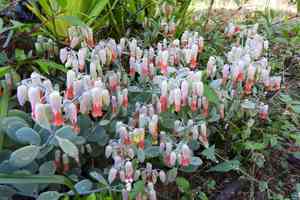
Marnier's kalanchoe (Kalanchoe marnieriana)
Also known as: Marnier's Kalanchoe, Marnier's Kale
The leaves of marnier's kalanchoe are round and flat like rackets, and usually bluish-green. The leaf margins beautifully turn yellow, pink, or even red when the plant changes color. Its flowers are pink, fasciate at the top of the scape, and bloom facing downward like wind chimes hanging upside down.
Attributes of Marnier's kalanchoe
Images of Marnier's kalanchoe
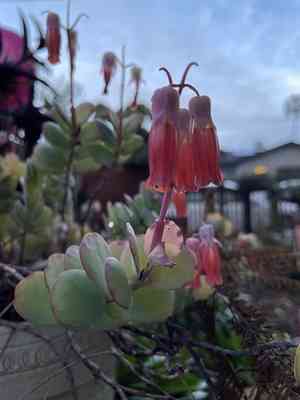
Quickly Identify Marnier's kalanchoe
Scientific Classification of Marnier's kalanchoe
Toxicity of Marnier's kalanchoe
Is Marnier's kalanchoe toxic to cat?
Marnier's kalanchoe presents a low level of toxicity to cats. Should a cat ingest significant quantities of this plant, it may display symptoms of physical distress that suggest poisoning has occurred. All components of marnier's kalanchoe are deemed toxic, underscoring the necessity for pet owners to restrict their pets' access to this plant to maintain the safety of their feline companions. Signs to watch for may include vomiting, diarrhea, or a lack of energy. If there are any concerns regarding potential cat poisoning, it is crucial to seek immediate assistance from a qualified veterinarian for an appropriate course of action and care.
Is Marnier's kalanchoe toxic to dog?
Marnier's kalanchoe presents a low-level toxicity risk to dogs. Although the plant is not classified as highly toxic, consuming it in substantial amounts can result in poisoning. Dogs may be drawn to and nibble on any part of the plant, as all sections are deemed toxic. Signs of poisoning from marnier's kalanchoe may manifest as gastrointestinal distress, including vomiting or diarrhea. Therefore, it is vital for dog owners to supervise their pets and restrict access to marnier's kalanchoe to prevent potential poisoning episodes. Should a dog consume marnier's kalanchoe, it is critical to seek prompt veterinary assistance to ensure appropriate treatment and symptom management.

