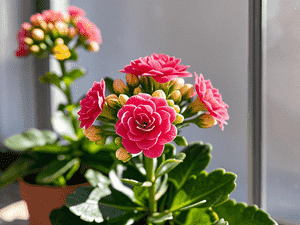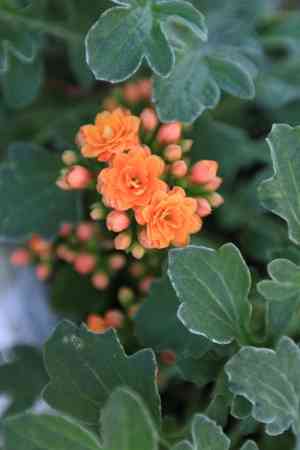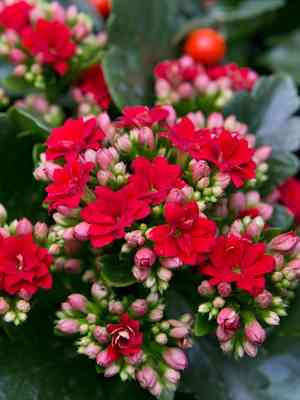
Florist kalanchoe(Kalanchoe blossfeldiana)

Florist kalanchoe (Kalanchoe blossfeldiana)

Also known as: Christmas kalanchoe

Kalanchoe blossfeldiana, also known as Christmas kalanchoe, has been a favored houseplant since the 1930s, originating from Madagascar. Unlike many succulents prized for their unique foliage, this plant is cherished for its vibrant blooms that appear in autumn and winter. This seasonal flowering makes it a popular holiday gift, adding color and cheer to indoor spaces. However, it's important to note that it is toxic to pets.

Attributes of Florist kalanchoe

Lifespan
Perennial
Plant Type
Succulent, Herb
Plant Height
10 cm to 50 cm
Spread
10 cm to 50 cm
Leaf Color
Green
Flower Size
8 mm to 1.2 cm
Flower Color
Red Orange Yellow Pink Purple White

ForwardPlant - Identify plants with a snap

Identify and diagnose plants, get toxicity alerts, and explore safety guides for all types of fungi.

Try for Free

Images of Florist kalanchoe

Florist kalanchoe(Kalanchoe blossfeldiana)

Quickly Identify Florist kalanchoe

1
Kalanchoe blossfeldiana can be identified by its fleshy, scalloped-edge leaves and clusters of small, star-shaped flowers that come in various colors. It is usually a compact plant with a bushy growth habit.

Scientific Classification of Florist kalanchoe

Phylum
Vascular plants
Class
Dicotyledons
Order
Saxifrages, stonecrops and allies
Family
Stonecrop
Genus
kalanchoe
Species
Florist kalanchoe

Planting and Growing of Florist kalanchoe

Care Difficulty
Easy
Watering Schedule
Every 3 days
Sunlight Requirements
Partial sun
Sunshine Duration
6-10 hours
Ideal Temperature
60-75℉
Soil Type
Potting Mix, Peat Mix
Soil pH
6.5-7.5
Fertilizer Type
Balanced
Pruning Season
Spring, Summer
Pruning Area
Branches, Leaves
Pruning Frequency
2 times a year
Repotting Season
Spring
Pot Type
Plastic, Ceramic

water icon How to Water Florist kalanchoe?

For Kalanchoe blossfeldiana, it's important to water deeply but not frequently. Ensure the soil is evenly moist, but not waterlogged. Water until you see it draining from the bottom of the pot, approximately 150 ml depending on the pot size.
What are the symptoms of an underwatered Florist kalanchoe?
What should I do if my Florist kalanchoe is not getting enough water?
What are the symptoms of an overwatered Florist kalanchoe?
How to save an overwatered Florist kalanchoe?
More About Watering Techniques

sunlight icon What Are the Sunlight Requirements for Florist kalanchoe?

Sunlight Requirements: Partial sun
Duration of light: 4 to 6 hours
Partial sun exposure is ideal, ensuring 4 to 6 hours of daylight. Such conditions promise robust growth and vibrant flowers throughout blooming seasons.
What type of sunlight is ideal for Kalanchoe blossfeldiana?
How to achieve the ideal lighting conditions for Kalanchoe blossfeldiana?
What are the benefits of providing ideal sunlight for Kalanchoe blossfeldiana?
More About Sunlight Requirements Techniques

temperature icon What Is the Ideal Temperature Range for Florist kalanchoe?

Ideal Temperature: 60 ~ 75℉
The ideal temperature range for Kalanchoe blossfeldiana is between 60°F to 75°F. This succulent thrives in moderate warmth and prefers consistent temperatures within this range to ensure healthy growth and vibrant blooms.

soil icon What Soil is Best for Florist kalanchoe?

Soil type: Sandy soil, Loam
Soil PH: 6.5 ~ 7.5
Kalanchoe blossfeldiana thrives in well-drained soil to prevent root rot. This ensures oxygen reaches the roots efficiently, fostering healthy growth and vibrant blooms. Providing nutrient-rich soil supports the lush growth of Kalanchoe blossfeldiana, ensuring it receives essential minerals for vibrant foliage and sustained flowering. Maintaining moderately moist soil helps Kalanchoe blossfeldiana avoid both drought stress and overwatering, creating an optimal environment for steady development. More About Soil

fertilize icon How to Fertilize Florist kalanchoe?

Fertilizer type: Balanced
For Kalanchoe blossfeldiana, use a balanced liquid fertilizer diluted to half strength. Typically, a dose of 10-20 ml per liter of water is appropriate during the growing season. Ensure to adjust based on the plant's size and overall health to prevent over-fertilization.

prune icon How to Prune Florist kalanchoe?

Pruning Time: Spring, Summer, Autumn
Begin by finding the longest and tallest stems on your Kalanchoe blossfeldiana. These are often the ones that are leggy or sprawling. Cut them back by about a third to encourage bushier growth and more flowers. Strategically prune around the buds on your Kalanchoe blossfeldiana. Ensure you make cuts just above the outward-facing buds, which will promote branching and lead to a bushier plant with more blooms. After your Kalanchoe has finished flowering, remove spent blooms by cutting the stems back to the base. This not only tidies your plant but also stimulates new growth and potential future flowering.

propagate icon How to Propagate Florist kalanchoe plant?

Propagate Time: Spring, Early spring
1
Take healthy cuttings from the mother plant, preferably 3 to 4 inches long, and remove the lower leaves to expose nodes. Allow the cuttings to dry for a couple of days to form calluses, which helps prevent rot.
2
Once dry, plant the cuttings in a well-draining growth medium such as a mix of perlite and peat moss. Ensure the nodes are buried to enable root development, but keep the medium moist without waterlogging.
3
For seed propagation, sow seeds on the surface of a damp growth medium and cover lightly with a thin layer of substrate. Maintain humidity and warmth until germination, which typically occurs in 2-3 weeks.
More About Propagating Techniques

repot icon How to Repot Florist kalanchoe plant?

Repotting frequency: Every 2-3 years
1
Kalanchoe blossfeldiana often needs repotting when roots become visible at the soil surface or pot holes. Typically, repotting is ideal every 2-3 years during the growing seasons of spring or summer to ensure optimal growth.
2
Select a pot that is just one size larger than the current one. Ensure it has drainage holes to prevent waterlogging. A well-sized pot enhances growth and minimizes root rot by allowing excess water to escape easily.
3
Use a well-draining succulent mix, which can be achieved by combining regular potting soil with sand or perlite. This ensures that water doesn't accumulate around the roots, which could cause rot, thus providing a healthier growing medium.
More About Repotting Techniques

ForwardPlant - Identify plants with a snap

Find the best spots for them to optimize their health, simply using your phone.

Try for Free

Toxicity of Florist kalanchoe

Is Florist kalanchoe toxic to cat?

The florist kalanchoe is harmful to cats. If a cat consumes any portion of this plant, whether it be the flowers, leaves, or roots, it can result in toxicity. Considering its level of toxicity, cats may endure considerable physical discomfort or health issues if they unintentionally ingest any part of the florist kalanchoe. Initial symptoms following ingestion could include vomiting, diarrhea, excessive drooling, or more severe signs of distress. Given these potential hazards, it is essential for cat owners to keep a vigilant watch over their pets and restrict their access to florist kalanchoe. In cases of suspected poisoning, it is vital for pet owners to obtain veterinary assistance promptly to safeguard their cat's health.

Is Florist kalanchoe toxic to dog?

The florist kalanchoe plant is recognized as toxic to dogs. When dogs consume any parts of this plant, including flowers, leaves, or roots, they risk poisoning. This often occurs when a dog accidentally eats these components. Symptoms that may manifest after a dog ingests florist kalanchoe can include vomiting, diarrhea, lethargy, behavioral changes, or even more serious reactions, depending on the quantity consumed. It is vital for dog owners to keep a close watch on their pets and restrict their access to florist kalanchoe to prevent accidental ingestion. If a dog is suspected of having ingested florist kalanchoe, obtaining prompt veterinary attention is crucial to ensure the best possible outcome for the animal.

Identify toxic plants for your safety

Learn which plants are harmful to you and your pets, and make informed choices for a safer home!

Try for Free
WARNING
The judgment on toxicity and danger is for reference only. We DO NOT GUARANTEE any accuracy of such judgment. Therefore, you SHALL NOT rely on such judgment. It is IMPORTANT TO SEEK PROFESSIONAL ADVICE in advance when necessary.
More About Toxic Techniques