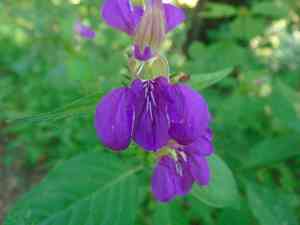
Water-willows (Justicia) (Justicia)
Also known as: Shrimp plant, Mexican shrimp plant, Yellow shrimp plant
Water-willows are part of a diverse genus with many species that flourish in wet, damp environments. They are commonly found in wetlands, including marshes, pond edges, and stream banks. These plants are well-suited to warm, tropical regions such as Africa, India, and the Americas. The unique, shrimp-like appearance of their flowers has earned them the nickname "shrimp plant."
In This Article
Attributes of Water-willows (Justicia)
Lifespan
Perennial
Plant Height
0.6 to 1.2 meters (2 to 4 feet)
Spread
0.6 to 1 meter (2 to 3 feet)
Leaf Color
Green
Flower Size
Up to 5 cm (2 inches)
Flower Color
Red, yellow, pink
Images of Water-willows (Justicia)
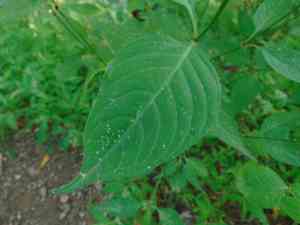
Quickly Identify Water-willows (Justicia)
1
Look for tubular, bracted flowers that resemble shrimp in shape and color. Leaves are typically opposite, simple, and can be oval or lance-shaped with entire or slightly serrated margins.
Scientific Classification of Water-willows (Justicia)
Phylum
Magnoliophyta
Class
Magnoliopsida
Order
Lamiales
Family
Acanthaceae
Genus
Justicia
Planting and Growing of Water-willows (Justicia)
Care Difficulty
Moderate
Watering Schedule
Every 2 days
Sunlight Requirements
Partial sun
Sunshine Duration
6-10 hours
Ideal Temperature
65-80℉
Soil Type
Potting Mix, Peat Mix
Soil pH
6-7.5
Fertilizer Type
Balanced
Pruning Season
Spring, Summer
Pruning Area
Branches, Leaves
Pruning Frequency
2 times a year
Repotting Season
Spring
Pot Type
Plastic, Terracotta
 How to Water Water-willows (Justicia)?
For Justicia, the guiding principle is to maintain the soil consistently moist without becoming waterlogged. Each watering session should saturate the soil to 500 milliliters to ensure moisture reaches the root zone, encouraging healthy growth while preventing root rot.
What are the symptoms of an underwatered Water-willows (Justicia)?
›
What should I do if my Water-willows (Justicia) is not getting enough water?
›
What are the symptoms of an overwatered Water-willows (Justicia)?
›
How to save an overwatered Water-willows (Justicia)?
›
 What Are the Sunlight Requirements for Water-willows (Justicia)?
Justicia thrives in partial to full sun conditions, ideally in bright, indirect light. Ideal lighting keeps the plant healthy, encouraging robust foliage and abundant blooming.
What is the ideal lighting for Justicia?
›
How can I achieve the best lighting conditions for Justicia?
›
What benefits does ideal lighting provide for Justicia?
›
 What Is the Ideal Temperature Range for Water-willows (Justicia)?
For Justicia plants to thrive, the ideal temperature range lies between 65°F and 80°F. This range ensures that photosynthesis occurs efficiently and the plant remains healthy. Maintaining this temperature range consistently will promote robust growth and vibrant foliage. Such conditions mimic the plant's native tropical habitats, where moderate warmth prevails throughout the year. Ensuring stable indoor temperatures will help cultivate a Justicia that is both visually appealing and healthy.
 What Soil is Best for Water-willows (Justicia)?
Justicia plants thrive in nutrient-rich soil that is well-balanced with organic matter. This helps improve their growth, leading to lush foliage and vibrant blooms, as the nutrients enhance their overall health and resilience. The roots of Justicia need access to oxygen, making well-draining soil essential to prevent waterlogging and root rot. This requirement ensures the plant can breathe and reduces the risk of fungal diseases, ensuring a robust and healthy growth pattern. Justicia prefers soil that maintains moisture without becoming soggy. Consistent moisture supports optimal hydration for nutrient uptake, contributing to continuous growth and lushness of the plant.
 How to Fertilize Water-willows (Justicia)?
Justicia plants typically require a moderate amount of fertilizer. When applying liquid fertilizer, a dilution of 1/4 of the recommended strength is often sufficient. For slow-release fertilizers, apply as directed on the packaging, ensuring no excess.
 How to Prune Water-willows (Justicia)?
Focus on removing any dead, damaged, or diseased branches first. Next, look for any overcrowded sections or crossing branches that can be thinned out to improve air circulation and light penetration. Ensure that your cuts are made just above a leaf node or bud, which encourages new, healthy growth. Slanted cuts are preferable as they allow water to run off, preventing rot. After dealing with problematic branches, proceed to shape your Justicia. Aim for a balanced form, trimming the plant evenly around to encourage symmetrical growth and maintaining its bushy, well-rounded appearance.
 How to Propagate Water-willows (Justicia) plant?
1
Choose a healthy and mature parent plant from which to take cuttings. Water it adequately a day before to ensure it is hydrated, reducing stress on both the parent plant and the cuttings.
2
Using sterilized pruning shears, make a clean cut just below a node on a healthy stem. Each cutting should ideally be 4-6 inches long, containing multiple leaves.
3
A well-draining potting mix should be prepared in advance. A mixture of peat and sand or perlite promotes good aeration and moisture retention necessary for root development.
 How to Repot Water-willows (Justicia) plant?
1
Justicia plants need repotting when roots grow out of the drainage holes, indicating they're root-bound. Additional signals include reduced growth and poor water absorption. Aim to repot in the growing seasons of spring or summer when the plant is actively growing, allowing it to quickly adapt to its new environment.
2
Select a pot that is one to two inches larger in diameter than the current one with drainage holes at the bottom. This size prevents over-watering risk while allowing the roots more space to expand, which supports healthier growth. A well-sized pot improves nutrient uptake and stabilizes the plant.
3
Use a well-draining potting mix rich in organic matter. This prevents waterlogging, which can lead to root rot, while providing adequate aeration and nutrients. Amend with perlite or sand for better drainage. A suitable soil mix supports strong, healthy root development.
Toxicity
Ingestion
WARNING
The judgment on toxicity and danger is for reference only. We DO NOT GUARANTEE any accuracy of such judgment. Therefore, you SHALL NOT rely on such judgment. It is IMPORTANT TO SEEK PROFESSIONAL ADVICE in advance when necessary.
Learn More About Water-willows (Justicia) Diseases
Anthracnose
Bacterial Leaf Spot
Bacterial Wilt
Black Spot
Chemical Injury
Crown Gall
Cyst Nematode
Damping-off
Downy Mildew
Drought Stress
Fusarium Wilt
Gray Mold
Leaf Curl
Leaf Spot
Mosaic
Nutrient Deficiency
Nutrient Toxicity
Powdery Mildew
Root Rot
Root-knot Nematode
Rusts
Sooty Mold
Spider Mites
Temperature Stress
Thrips Damage
White Mold

