
Brazilian-plume (Justicia carnea)
Also known as: Flamingo flower, King's crown, Flamingo plant, Plume flower
Begonia dregei, also known as the "Pine-Bur Begonia" and "Flamingo Flower," is a shrub species that prefers shaded environments but can also thrive in sunlight. Native to South Africa, this plant is often found in tropical gardens due to its striking appearance.
In This Article
Attributes of Brazilian-plume
Lifespan
Perennial
Plant Type
Shrub
Plant Height
1.2 m to 1.8 m
Spread
60 cm to 90 cm
Leaf Color
Green
Flower Size
2.5 cm to 5 cm
Flower Color
Pink Red White
Images of Brazilian-plume
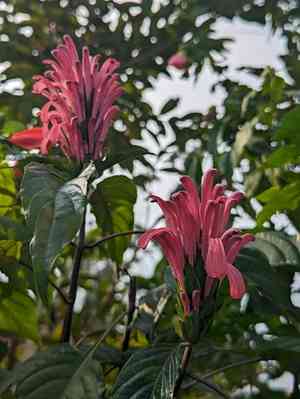

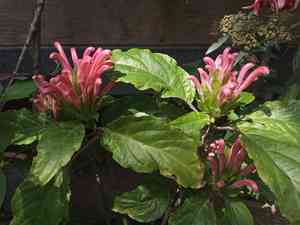
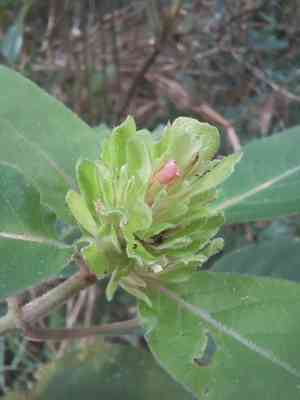
Quickly Identify Brazilian-plume
1
Look for large, opposite leaves that are dark green and slightly glossy. The flower spikes are dense and composed of numerous tubular flowers that can be pink, red, or even white. The plant has a bushy appearance and can reach up to 4 feet in height.
Scientific Classification of Brazilian-plume
Phylum
Vascular plants
Class
Dicotyledons
Order
Mints plantains olives and allies
Family
Acanthus
Genus
Water-willows
Species
Brazilian-plume
Planting and Growing of Brazilian-plume
Care Difficulty
Easy
Watering Schedule
Every 8 days
Sunlight Requirements
Partial sun
Sunshine Duration
4-8 hours
Ideal Temperature
65-75℉
Soil Type
Potting Mix, Peat Mix
Soil pH
6.5-7.5
Fertilizer Type
Balanced
Pruning Season
Spring, Summer
Pruning Area
Branches, Leaves
Pruning Frequency
2 times a year
Repotting Season
Spring
Pot Type
Plastic, Terracotta
 How to Water Brazilian-plume?
When watering Justicia carnea, aim to soak the soil thoroughly until water drains out from the bottom of the pot. This ensures the roots have ample moisture while also allowing any excess water to escape, preventing root rot. Monitor the top inch of soil and re-water only when it feels dry to the touch, promoting healthy root development.
More About Watering Techniques→
What are the symptoms of an underwatered Brazilian-plume?
›
What should I do if my Brazilian-plume is not getting enough water?
›
What are the symptoms of an overwatered Brazilian-plume?
›
How to save an overwatered Brazilian-plume?
›
 What Are the Sunlight Requirements for Brazilian-plume?
Justicia carnea thrives in partial sun, benefiting from morning light. Ideal lighting promotes lush foliage and vibrant, prolonged blooming periods vital for aesthetic and ecological benefits.
More About Sunlight Requirements Techniques→
Question 1
›
Question 2
›
Question 3
›
 What Is the Ideal Temperature Range for Brazilian-plume?
For optimal growth, Justicia carnea thrives in temperatures ranging from 65°F to 75°F. This temperature range allows the plant to perform photosynthesis efficiently and maintain healthy cellular functions. It's important to keep the temperature stable to avoid stress and promote lush foliage and vibrant blooms.
 What Soil is Best for Brazilian-plume?
Justicia carnea thrives in well-drained soil that ensures proper drainage. This helps prevent waterlogging, which can lead to root rot and other water-related issues, allowing the plant to flourish. The plant prefers soil with moderate fertility, rich in organic matter. This ensures adequate nutrient availability, promoting vibrant blooms and healthy foliage. Maintaining consistent moisture in the soil is crucial for Justicia carnea. It requires regular watering to keep the soil evenly moist but not soggy, supporting overall plant health and growth.
More About Soil→
 How to Fertilize Brazilian-plume?
For Justicia carnea, apply a balanced liquid fertilizer at half the recommended strength to avoid root burn. It’s vital to moderate the concentration, as overly strong solutions can damage the roots. Each liquid feeding session should involve around 1/2 a teaspoon of liquid fertilizer mixed with a gallon of water.
More About Fertilizing Techniques→
 How to Prune Brazilian-plume?
Begin by identifying any dead or damaged wood. Dead branches can affect the health and aesthetics of your plant. Use sterilized pruning shears to remove these sections at their base, which will support the Justicia carnea's overall vigor and growth. Trim back any excessively long or unruly branches. The goal is to maintain a pleasing shape and size for your plant. Cut about one-third of the way back on these branches, focusing on conserving its natural form while preventing overcrowding in the center. For even bushier growth, pinch back the tips of new shoots throughout the growing season. This action encourages lateral branching, creating a fuller and more vibrant plant. Always use clean fingers or tools to prevent disease transmission.
More About Pruning Techniques→
 How to Propagate Brazilian-plume plant?
1
Choose healthy stems with no signs of disease or pest damage. Ideally, the cutting should be 4 to 6 inches long with several nodes, as these are the points where new roots are likely to form.
2
After cutting, trim the leaves from the lower part of the stem to reduce water loss and dip the cut end into rooting hormone. This step helps prevent rot and encourages root development.
3
Insert the prepared cuttings into a pot filled with a well-draining soil mix, ensuring that the nodes where leaves were removed are buried. Keep the soil moist but not wet to prevent rotting.
 How to Repot Brazilian-plume plant?
1
Signs that your Justicia carnea needs repotting include roots growing out of the drainage holes, slowed growth, or water pooling on the surface for too long. Spring is ideal for repotting as the plant is actively growing, which helps it recover more quickly.
2
Choose a pot that is 1-2 inches larger in diameter than the current one. This allows the roots to expand without overburdening the plant with too much soil, which can lead to root rot. Ensure it has drainage holes to prevent waterlogging.
3
Use a well-draining potting mix rich in organic matter to support healthy growth. This soil should retain some moisture while allowing excess water to drain away, providing the perfect balance for Justicia carnea's needs.
Learn More About Brazilian-plume Diseases
Anthracnose
Bacterial Leaf Spot
Bacterial Soft Rot
Bacterial Wilt
Black Spot
Chemical Injury
Crown Gall
Damping-off
Downy Mildew
Drought Stress
Fusarium Wilt
Gray Mold
Leaf Curl
Leaf Spot
Mosaic
Nutrient Deficiency
Nutrient Toxicity
Powdery Mildew
Root Rot
Root-knot Nematode
Rusts
Sooty Mold
Spider Mites
Temperature Stress
Thrips Damage
White Mold



