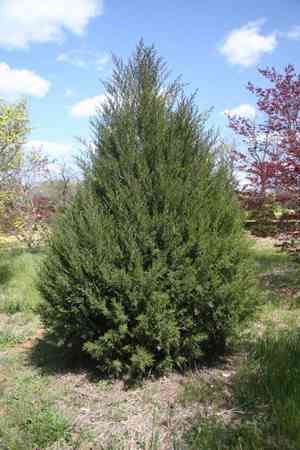
Eastern red cedar (Juniperus virginiana)
Also known as: Red juniper, Aromatic cedar
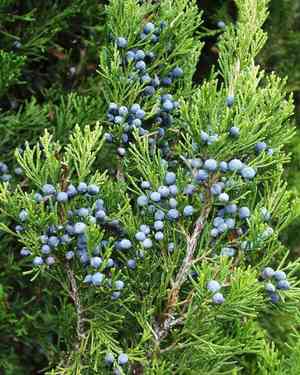
The Eastern Red Cedar is a coniferous evergreen native to North America. Its juniper berries provide essential winter nourishment for birds. The tree's wood is prized for its rot resistance, making it ideal for fencing, and it's also used in closets and chests due to its natural ability to repel moths.
Attributes of Eastern red cedar
Images of Eastern red cedar


Quickly Identify Eastern red cedar
Scientific Classification of Eastern red cedar
Planting and Growing of Eastern red cedar
 How to Water Eastern red cedar?
 What Are the Sunlight Requirements for Eastern red cedar?
 What Is the Ideal Temperature Range for Eastern red cedar?
 What Soil is Best for Eastern red cedar?
 How to Fertilize Eastern red cedar?
 How to Prune Eastern red cedar?
 How to Propagate Eastern red cedar plant?
 How to Repot Eastern red cedar plant?
Toxicity of Eastern red cedar
Is Eastern red cedar toxic to humans?
The fruits, flowers, and leaves of the eastern red cedar are deemed toxic when consumed in significant amounts. These components of the plant encompass a volatile oil known as thujone that can lead to diarrhea. Unintentional consumption of the toxic plant parts may take place when preparing tea from the leaves, a prevalent remedy for colds and coughs among certain Native American tribes.
Is Eastern red cedar toxic to cat?
Eastern red cedar presents a mild toxicity concern for cats, especially if they consume substantial amounts of its fruits and leaves. When exposed to this plant, cats may show indicators of physical distress. To reduce this risk, it is vital to keep cats from eating large portions of the plant. Should a cat display any health irregularities, including behavioral changes or signs of discomfort or illness, it is important to obtain immediate veterinary attention to safeguard their health and welfare.
Is Eastern red cedar toxic to dog?
Eastern red cedar presents a mild risk of toxicity to dogs. Canines may experience poisoning if they ingest significant amounts of the plant, especially its fruits and leaves. Symptoms of ingestion can include gastrointestinal distress or respiratory problems. It is vital for dog owners to keep an eye on their pets and to prevent them from consuming excessive quantities of eastern red cedar. Should poisoning be suspected, prompt veterinary assistance is crucial to safeguard the health of the affected dog.



