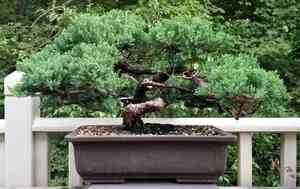
Japanese garden juniper (Juniperus procumbens)
Also known as: Bonin islands juniper
Japanese garden juniper (*Juniperus procumbens*) is a low-growing, evergreen ground cover that typically reaches heights of 20 to 30 cm and can spread extensively, covering areas up to 4.5 meters wide. The blue-green foliage may turn purplish in winter, and pruning is generally unnecessary. This juniper prefers full sun but can tolerate partial shade. It does best in well-drained soil and requires moderate watering, with increased attention during hot summer months.
Attributes of Japanese garden juniper
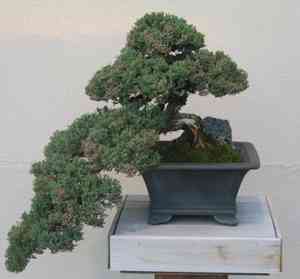
Images of Japanese garden juniper
Quickly Identify Japanese garden juniper
Scientific Classification of Japanese garden juniper
Planting and Growing of Japanese garden juniper
 How to Water Japanese garden juniper?
 What Are the Sunlight Requirements for Japanese garden juniper?
 What Is the Ideal Temperature Range for Japanese garden juniper?
 What Soil is Best for Japanese garden juniper?
 How to Fertilize Japanese garden juniper?
 How to Prune Japanese garden juniper?
 How to Propagate Japanese garden juniper plant?
 How to Repot Japanese garden juniper plant?
Toxicity of Japanese garden juniper
Is Japanese garden juniper toxic to cat?
The Japanese garden juniper presents a mild toxic hazard to felines. Cats may face poisoning risks chiefly if they ingest a substantial quantity of its seeds. Contact with Japanese garden juniper can lead to physical distress, which may appear as illness or discomfort, prompting cat owners to remain alert. If poisoning is suspected, urgent care at a veterinary facility is essential. It is vital to keep a close watch on cats when they are near Japanese garden juniper to avert potential consumption and protect their well-being.
Is Japanese garden juniper toxic to dog?
Japanese garden juniper presents a mild toxicity risk for dogs. Although the plant itself is not considered highly toxic, the ingestion of its seeds in significant quantities can result in poisoning. Dogs may be drawn to these seeds and consume them out of curiosity or boredom. Symptoms of poisoning from Japanese garden juniper can differ but may include gastrointestinal disturbances, such as vomiting and diarrhea, with more severe reactions occurring based on the quantity ingested. It is vital for dog owners to closely supervise their pets and prevent them from accessing the seeds of Japanese garden juniper. If a dog is suspected of having consumed this plant and is showing signs of poisoning, prompt veterinary attention is essential to effectively manage symptoms and safeguard the animal's health.



