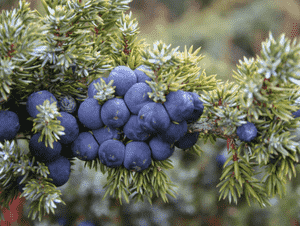
Common juniper(Juniperus communis)

Common juniper (Juniperus communis)

Also known as: Rocky Mountain Juniper, Old Field Juniper, Dwarf juniper, Gound juniper, American Common

The common juniper, an evergreen conifer found on every continent, is widely used in various industries. It is popular in horticulture as a decorative shrub, and its wood is crafted into various items. The juniper cones are known for their use in flavoring foods, and some Native American cultures harness the berries for their medicinal benefits.

Attributes of Common juniper

Lifespan
Perennial
Plant Type
Shrub
Plant Height
10 m to 16 m
Spread
30 cm to 60 cm
Leaf Color
Green Blue Gray Silver
Flower Size
2.5 cm
Flower Color
Yellow

ForwardPlant - Identify plants with a snap

Identify and diagnose plants, get toxicity alerts, and explore safety guides for all types of fungi.

Try for Free

Images of Common juniper

Common juniper(Juniperus communis)

Quickly Identify Common juniper

1
Look for needle-like leaves that are sharp to the touch, and small, berrylike cones that are green when young but turn a bluish-black when mature.

Scientific Classification of Common juniper

Phylum
Vascular plants
Class
Conifers
Order
Pines and allies
Family
Cypress
Genus
Junipers
Species
Common juniper

Planting and Growing of Common juniper

Care Difficulty
Easy
Watering Schedule
Every 2 days
Sunlight Requirements
Full sun
Sunshine Duration
6-10 hours
Ideal Temperature
55-75℉
Soil Type
Potting Mix, Peat Mix
Soil pH
4.5-8
Fertilizer Type
Balanced
Pruning Season
Spring, Summer
Pruning Area
Branches, Leaves
Pruning Frequency
2 times a year
Repotting Season
Spring
Pot Type
Plastic, Ceramic

water icon How to Water Common juniper?

Water Juniperus communis thoroughly but ensure the soil is well-drained. Avoid waterlogging by letting the topsoil dry out before the next watering. A moderate 500ml is generally sufficient for a potted plant.
What are the symptoms of an underwatered Common juniper?
What should I do if my Common juniper is not getting enough water?
What are the symptoms of an overwatered Common juniper?
How to save an overwatered Common juniper?
More About Watering Techniques

sunlight icon What Are the Sunlight Requirements for Common juniper?

Sunlight Requirements: Full sun, Partial sun
Duration of light: 6-8 hours daily
Juniperus communis is best maintained under full sun to partial sun conditions. Optimal sunlight contributes to strong growth, vibrant foliage coloration, and increased resistance to pests and diseases.
Optimal Lighting for Growth
Balancing Sunlight Exposure
Ensuring Healthy Photosynthesis
More About Sunlight Requirements Techniques

temperature icon What Is the Ideal Temperature Range for Common juniper?

Ideal Temperature: 55 ~ 75℉
Juniperus communis thrives best in a temperature range of 55-75°F. This range ensures optimal growth and metabolic activity, providing suitable conditions for photosynthesis and respiration.

soil icon What Soil is Best for Common juniper?

Soil type: Sandy soil, Loam, Acidic soil, Calcareous soil
Soil PH: 4.5 ~ 8
Juniperus communis thrives in well-drained soils. Proper drainage prevents waterlogging, which can lead to root rot and other fungal issues. Ensuring good drainage helps maintain plant health and vitality. This plant prefers soils with moderate fertility. High fertility can lead to overly rapid growth and weak stems, while moderate levels help maintain the plant's natural growth rate and structure. Juniperus communis is tolerant of a wide pH range, from acidic to neutral. Maintaining the soil within this pH range ensures optimal nutrient availability and uptake. More About Soil

fertilize icon How to Fertilize Common juniper?

Fertilizer type: Balanced
For Juniperus communis, use a balanced fertilizer with an N-P-K ratio around 10-10-10 or 16-4-8. When applying liquid fertilizer, dilute it to half strength and use approximately one gallon per 100 square feet of planting area. For slow-release granules, apply at a rate of one pound per hundred square feet per year.

prune icon How to Prune Common juniper?

Pruning Time: Spring, Summer, Autumn
When pruning Juniperus communis, start by identifying dead, damaged, or diseased branches. These are usually discolored or dry. Next, look for branches that grow inward or cross others, as these can impede air circulation and sunlight penetration. Always use sharp, clean tools to make precise cuts. Use the 'thinning' method to remove entire branches at their base to improve air flow and sunlight exposure without altering the plant's natural shape. For 'heading' cuts, trim branches back to a lateral bud or branch to promote new growth and maintain the shrub’s overall form. Avoid cutting into the old wood, as this may not regenerate. More About Pruning Techniques

propagate icon How to Propagate Common juniper plant?

Propagate Time: Spring, Late spring, Early spring, Autumn, Late autumn, Early autumn
1
Juniperus communis seeds require cold stratification before germination. Soak seeds in water for 24 hours, then mix with moist sand or peat and refrigerate for 4 to 16 weeks. This simulates natural winter conditions.
2
Select healthy, semi-hardwood branches in late summer. Cut them to about 4-6 inches in length. Remove the lower leaves and dip the cut end in rooting hormone before planting in a sandy soil mix.
3
Bend a flexible, low-growing branch to the ground and lightly wound the portion to be buried. Cover with soil, leaving the tip exposed. Anchor it in place and water regularly until roots develop.
More About Propagating Techniques

repot icon How to Repot Common juniper plant?

Repotting frequency: Every 2-3 years
1
Repot Juniperus communis when you notice roots emerging from the drainage holes, the plant outgrowing its pot, or a noticeable slow down in growth. Typically, this is best done in spring or autumn, avoiding the peak stress times of winter or extreme summer heat.
2
Select a pot that is one size larger than the current one, with adequate drainage holes. A terracotta pot is beneficial as it is porous and allows for better airflow, which suits the Juniper's preference for well-aerated conditions. An appropriately sized pot helps in preventing waterlogging, promoting healthy root growth.
3
Opt for a well-draining soil mix, ideally a combination of sand, loam, and a bit of peat. This composition aids in mimicking the shrub's natural habitat, ensuring proper drainage while retaining enough moisture and nutrients. The right soil mix helps in preventing root rot and supports robust root development.

ForwardPlant - Identify plants with a snap

Find the best spots for them to optimize their health, simply using your phone.

Try for Free

Toxicity of Common juniper

Is Common juniper toxic to humans?

The seeds, leaves, and berries of the common juniper are regarded as mildly toxic if ingested. These components of the plant possess a volatile oil called thujone, which may result in diarrhea when consumed in excessive amounts. Occasionally, the fruit of the common juniper is utilized for medicinal purposes or to enhance the flavor of specific dishes and gin, leading to potential unintentional overdoses.

Is Common juniper toxic to cat?

The common juniper carries a low level of toxicity for cats, which can escalate to poisoning if they ingest significant amounts of the plant. Particularly, the berries and foliage of common juniper can be hazardous to feline well-being, potentially leading to physical discomfort and health issues. In unfortunate circumstances where a cat consumes portions of common juniper, it is essential for pet owners to remain alert for indicators of distress or suffering, as these may signal possible poisoning. Seeking veterinary assistance promptly upon observing any of these symptoms is crucial for the animal's health.

Is Common juniper toxic to dog?

Common juniper presents a mild risk of toxicity to dogs. Although consuming small amounts may not result in severe harm, high consumption can lead to poisoning. The fruits and leaves of the plant are particularly harmful to dogs. Canines that ingest these parts of common juniper might show symptoms such as gastrointestinal upset or other minor signs of discomfort. It is essential for dog owners to keep a close watch on their pets and to prevent them from eating large quantities of this plant. If a dog does ingest common juniper and shows negative reactions, it is crucial to seek prompt veterinary assistance to ensure appropriate treatment and management of any potential toxicity.

Identify toxic plants for your safety

Learn which plants are harmful to you and your pets, and make informed choices for a safer home!

Try for Free
WARNING
The judgment on toxicity and danger is for reference only. We DO NOT GUARANTEE any accuracy of such judgment. Therefore, you SHALL NOT rely on such judgment. It is IMPORTANT TO SEEK PROFESSIONAL ADVICE in advance when necessary.
More About Toxic Techniques

