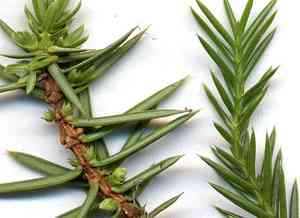
Junipers (Juniperus) (Juniperus)
Also known as: Juniper, Cedar, Pencil Cedar
Juniper plants, found both in the wild and as ornamental shrubs worldwide, have a rich history and various uses. In some European traditions, juniper branches were hung over doorways during May Day and Halloween to keep away spirits and evil entities. The wood is valued for its aromatic qualities, making it ideal for carving and lathe projects. Birds also find sanctuary in the thick foliage of these plants. Importantly, juniper berries are the key ingredient used to flavor gin.
In This Article
Attributes of Junipers (Juniperus)
Lifespan
Perennial
Plant Height
1 m
Spread
50 cm
Leaf Color
Green, Blue-Green
Flower Size
N/A (Junipers do not have true flowers, they have cones)
Flower Color
N/A
Images of Junipers (Juniperus)
Quickly Identify Junipers (Juniperus)
1
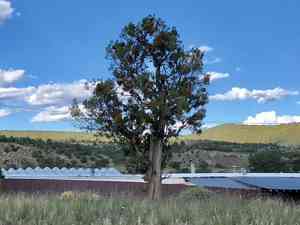
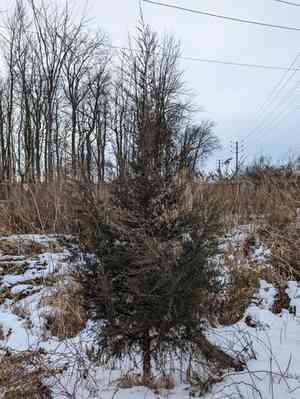
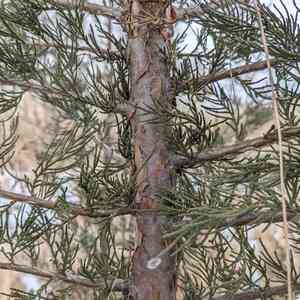
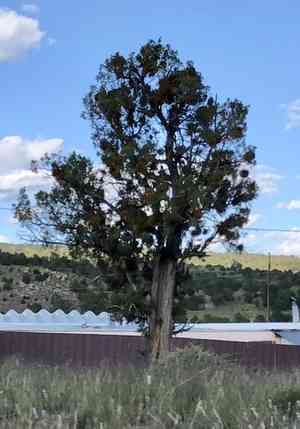
Junipers can be identified by their needle-like or scale-like leaves, which are usually blue to green in color. The plants produce small, berry-like cones instead of true berries. The bark is typically thin and can peel in strips. The scent of the foliage can also help in identification, as it has a distinctive aromatic smell.
Scientific Classification of Junipers (Juniperus)
Phylum
Pinophyta
Class
Pinopsida
Order
Pinales
Family
Cupressaceae
Genus
Juniperus
Planting and Growing of Junipers (Juniperus)
Care Difficulty
Moderate
Watering Schedule
Every day
Sunlight Requirements
Full sun
Sunshine Duration
6-8 hours
Ideal Temperature
60-75℉
Soil Type
Potting Mix, Peat Mix
Soil pH
6-8
Fertilizer Type
Balanced
Pruning Season
Spring, Summer
Pruning Area
Branches, Leaves
Pruning Frequency
2 times a year
Repotting Season
Spring
Pot Type
Plastic, Ceramic
 How to Water Junipers (Juniperus)?
When watering Juniperus, it is crucial to ensure the soil is soaked thoroughly. The water should penetrate deep into the soil but allow the top layer to dry out between waterings. This prevents root rot while ensuring adequate moisture is available.
What are the symptoms of an underwatered Junipers (Juniperus)?
›
What should I do if my Junipers (Juniperus) is not getting enough water?
›
What are the symptoms of an overwatered Junipers (Juniperus)?
›
How to save an overwatered Junipers (Juniperus)?
›
 What Are the Sunlight Requirements for Junipers (Juniperus)?
Juniperus prefers full sun to partial sun, ideally with 6 to 8 hours of unfiltered light. Adequate sunlight supports vigorous growth, enhances foliage color, and boosts overall plant health, leading to longevity.
Optimal Location
›
Environment Modifications
›
Benefits of Adequate Lighting
›
 What Is the Ideal Temperature Range for Junipers (Juniperus)?
Juniperus species thrive best within a temperature range of 60 to 75°F. This range provides optimal conditions for photosynthesis, growth, and essential biological processes. Maintaining temperatures within this range ensures that the plant develops strong and healthy foliage, minimizing stress and maximizing aesthetic appeal.
 What Soil is Best for Junipers (Juniperus)?
Juniperus thrives in well-drained soils, ensuring that roots do not rot and allowing for healthy growth. The plant is adapted to drier conditions, making drainage critical to its health. The plant prefers moderately fertile soil, which provides the necessary nutrients without overwhelming it. This balance helps maintain the health and vigor of Juniperus. While Juniperus can adapt to a range of soil moisture levels, it generally prefers soil that is not too wet. This preference reduces the risk of fungal diseases and promotes strong root development.
 How to Fertilize Junipers (Juniperus)?
Juniperus generally requires a balanced fertilizer applied at a moderate amount. Typically, a 10-10-10 or 16-16-16 balanced fertilizer can be used. For young or newly planted junipers, use about 1/2 pound for every 100 square feet of garden bed in spring. Established plants might require less frequent feeding.
 How to Prune Junipers (Juniperus)?
Begin by inspecting the plant for any dead, diseased, or damaged branches. These should be removed first to prevent the spread of disease and encourage healthy growth. Juniperus can be shaped into various forms depending on the aesthetic you desire. Prune selectively, removing branches that disrupt the plant’s natural form. Always prune just above a node to encourage bushier growth. Thinning out the interior branches improves air circulation within the plant, especially in dense juniper varieties. This reduces the risk of fungal infections and helps light reach inner branches, promoting uniform growth.
 How to Propagate Junipers (Juniperus) plant?
1
Harvest seeds from mature cones in dry conditions, and ensure they are clean and free from debris. This step is crucial to ensure healthy germination.
2
Use sharp pruning shears to take semi-hardwood cuttings, typically 4-6 inches long. Remove lower leaves to minimize transpiration and increase the likelihood of successful rooting.
3
Align the cambium layers of the stock and scion precisely, and secure them using grafting tape. Keeping the alignment ensures nutrient flow and successful grafting.
 How to Repot Junipers (Juniperus) plant?
1
Repotting your Juniperus is essential when you notice roots emerging from the drainage holes or when the plant becomes root-bound. These are clear signals that your plant needs more space to grow, which typically occurs every 2-3 years. Choose a time in spring or autumn when the plant is not under stress from extreme weather.
2
Select a pot that is one to two sizes larger than the current one with adequate drainage holes to prevent water accumulation. A clay pot is preferable for its breathability, which helps in regulating soil moisture. The right pot ensures the healthy growth of your Juniperus by preventing root rot and promoting stable root development.
3
For Juniperus, select a well-draining, sandy soil mix commonly used for conifers or cacti. A soil with good drainage prevents water logging, which is crucial for avoiding root rot in a plant that prefers drier conditions. Adding perlite or sand improves aeration and prevents compacted soil, promoting healthier root growth.
Toxicity
Ingestion, Skin contact
WARNING
The judgment on toxicity and danger is for reference only. We DO NOT GUARANTEE any accuracy of such judgment. Therefore, you SHALL NOT rely on such judgment. It is IMPORTANT TO SEEK PROFESSIONAL ADVICE in advance when necessary.

