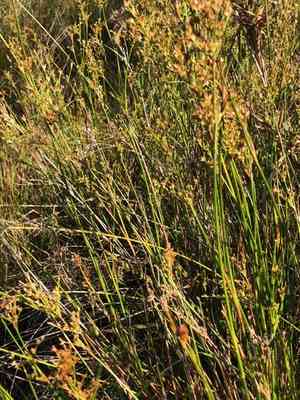
Redpod rush (Juncus trigonocarpus)
Also known as: Three-angled rush
Redpod rush (Juncus scirpoides) is a perennial plant that resembles grass and is noted for its slender, upright stems and reddish-brown seed pods. The stems are smooth and can reach heights of up to 3 feet, while the leaves are narrow and grass-like.
This plant thrives in wet environments such as marshes, wet meadows, and the edges of ponds and streams. It prefers areas with abundant sunlight or partial shade and can grow in both freshwater and slightly brackish conditions. Redpod rush is well-suited to waterlogged soils, forming dense clusters that demonstrate its adaptation to moist habitats.
In This Article
Attributes of Redpod rush
Lifespan
Perennial
Plant Type
Herb
Plant Height
30-60 cm
Spread
N/A
Leaf Color
Green
Flower Size
Small, less than 1 cm
Flower Color
Brownish-green to pale yellow
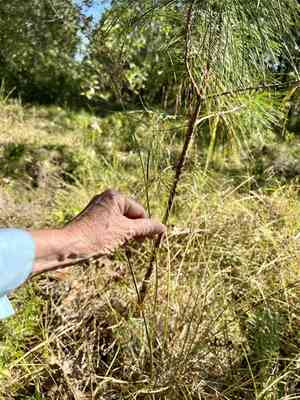
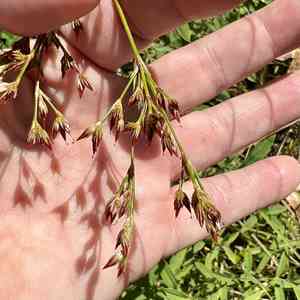
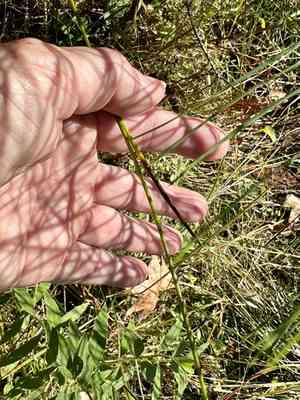
Images of Redpod rush
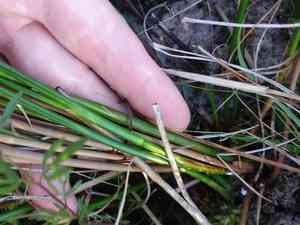
Quickly Identify Redpod rush
1
Identified by its distinctive triangular-shaped stems and spiky inflorescences. The stems are green and sharply three-angled, which distinguishes it from other similar rush species.
Scientific Classification of Redpod rush
Phylum
Vascular plants
Class
Monocotyledons
Order
Poales
Family
Rush
Genus
Rushes
Species
Redpod rush
Planting and Growing of Redpod rush
Care Difficulty
Easy
Watering Schedule
Every 8 days
Sunlight Requirements
Partial sun
Sunshine Duration
6-10 hours
Ideal Temperature
60-75℉
Soil Type
Potting Mix, Peat Mix
Soil pH
6.5-7.5
Fertilizer Type
Balanced
Pruning Season
Spring, Summer
Pruning Area
Branches, Leaves
Pruning Frequency
2 times a year
Repotting Season
Spring
Pot Type
Plastic, Terracotta
 How to Water Redpod rush?
Juncus trigonocarpus thrives with consistent moisture. Watering should be thorough, enough to keep the soil consistently moist but not waterlogged. The aim is to mimic natural settings where the plant would be found near water bodies.
What are the symptoms of an underwatered Redpod rush?
›
What should I do if my Redpod rush is not getting enough water?
›
What are the symptoms of an overwatered Redpod rush?
›
How to save an overwatered Redpod rush?
›
 What Are the Sunlight Requirements for Redpod rush?
Partial sun to full sun exposure promotes strong, healthy growth, ensuring Juncus trigonocarpus develops well-formed leaves and stems, enhancing both its health and visual appeal.
What is the best light type?
›
What is the best location?
›
What are the benefits of ideal lighting?
›
 What Is the Ideal Temperature Range for Redpod rush?
The ideal temperature range for Juncus trigonocarpus is between 60°F and 75°F. This range allows the plant to perform optimal photosynthesis, supporting healthy growth and maintaining its natural metabolic rate. Maintaining temperatures within this range ensures the plant develops robust stems and foliage, contributing to overall vitality.
 What Soil is Best for Redpod rush?
Juncus trigonocarpus thrives in soils that retain moisture effectively. Sandy loam is ideal as it provides adequate drainage while retaining necessary moisture. This balance prevents root rot and supports healthy plant growth. This species benefits from a nutrient-rich soil, often achieved by incorporating organic matter like peat. This enrichment promotes robust growth and ensures the plant receives essential nutrients for optimal health. Juncus trigonocarpus prefers slightly acidic soil conditions. An acidic environment facilitates nutrient uptake, preventing nutrient lockout and ensuring the plant can efficiently absorb essential minerals from the soil.
 How to Fertilize Redpod rush?
Juncus trigonocarpus responds well to balanced fertilization. For liquid fertilizers, dilute as per manufacturer instructions, usually aiming for half-strength to prevent root burn. For granular slow-release fertilizers, applying around 20 grams per plant is optimal. Monitoring plant health can guide you in adjustments.
 How to Prune Redpod rush?
Begin by examining the plant for any dead or discolored stems. Use your sharp tools to cut these stems back to the base. Ensure you’re making clean cuts just above a node or branching point to encourage new growth. Once pruning is complete, water the plant adequately and monitor it over the next few weeks. Look for new growth signs as an indicator of successful pruning.
More About Pruning Techniques→
 How to Propagate Redpod rush plant?
1
Before planting, soak the seeds of Juncus trigonocarpus in water for about 24 hours. This process softens the seed coat and promotes quicker germination. Dry them slightly on a paper towel before sowing.
2
Use a well-draining potting mix suitable for aquatic plants. Fill your seed tray or pots with this mix, leaving about an inch from the top to accommodate watering without overflowing.
3
During early spring, dig up an established clump of Juncus trigonocarpus. Gently shake off the soil, and using a sharp knife, divide the plant into smaller sections, ensuring each section has roots attached.
 How to Repot Redpod rush plant?
1
Repotting Juncus trigonocarpus should be done when you notice roots coming out of the drainage holes or when the plant's growth appears stunted. The best time to repot is during Spring or Summer when the plant is actively growing and can easily recover from the stress of repotting.
2
Select a pot that is just slightly larger than the current one, ensuring it has adequate drainage holes. A pot that is too large can lead to waterlogging issues, while one too small can stunt growth. A terracotta pot is ideal as it allows for better air circulation.
3
Use a soil mix that retains moisture yet drains well. A combination of peat moss, perlite, and a bit of sand is recommended. This blend ensures the roots stay hydrated without becoming waterlogged, promoting healthy root development.
Learn More About Redpod rush Diseases
Anthracnose
Bacterial Leaf Spot
Bacterial Soft Rot
Damping-off
Downy Mildew
Drought Stress
Fusarium Wilt
Gray Mold
Leaf Spot
Mosaic
Nutrient Deficiency
Nutrient Toxicity
Powdery Mildew
Root Rot
Root-knot Nematode
Rusts
Sooty Mold
Spider Mites
Temperature Stress
Thrips Damage
White Mold
Chemical Injury



