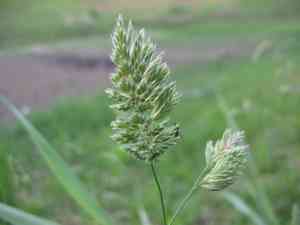
Frog rush (Juncus ranarius)
Also known as: Lesser rush, Sea rush
Frog rush (Juncus effusus) thrives in freshwater wetlands such as marshes and moist meadows. Characterized by its upright, cylindrical green stems, it commonly grows in clumps and sports small, understated brownish flowers. Its resilience in waterlogged soils makes it vital for the health and diversity of wetland ecosystems.
In This Article
Attributes of Frog rush
Lifespan
Perennial
Plant Type
Herb
Plant Height
10-40 cm
Spread
Not applicable
Leaf Color
Green
Flower Size
Less than 1 cm
Flower Color
Greenish or brownish
Images of Frog rush

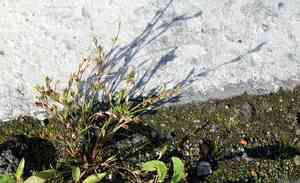
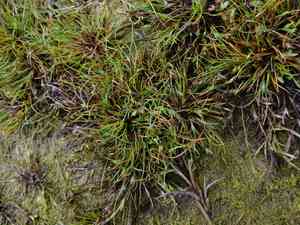
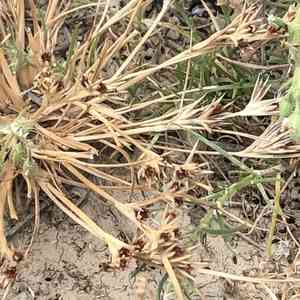
Quickly Identify Frog rush
1
Juncus ranarius can be identified by its cylindrical, hollow stems, and its preference for saline waters and coastal regions. The stems are typically unbranched and grow in dense clumps.
Scientific Classification of Frog rush
Phylum
Vascular plants
Class
Monocotyledons
Order
Poales
Family
Rush
Genus
Rushes
Species
Frog rush
Planting and Growing of Frog rush
Care Difficulty
Easy
Watering Schedule
Every 3 days
Sunlight Requirements
Partial sun
Sunshine Duration
4-6 hours
Ideal Temperature
60-75℉
Soil Type
Potting Mix, Peat Mix
Soil pH
6.5-7.5
Fertilizer Type
Balanced
Pruning Season
Spring, Summer
Pruning Area
Branches, Leaves
Pruning Frequency
Once a year
Repotting Season
Spring
Pot Type
Plastic, Ceramic
 How to Water Frog rush?
For Juncus ranarius, it's crucial to maintain consistently moist soil. Watering should be done until you notice the water starting to trickle from the drainage holes, ensuring that the root zone is adequately saturated but not waterlogged.
What are the symptoms of an underwatered Frog rush?
›
What should I do if my Frog rush is not getting enough water?
›
What are the symptoms of an overwatered Frog rush?
›
How to save an overwatered Frog rush?
›
 What Are the Sunlight Requirements for Frog rush?
Partial sun is ideal for Juncus ranarius, as it harmonizes sunlight exposure with periods of shade. This light arrangement supports healthy photosynthesis and reduces stress related to excessive brightness.
What is the ideal light exposure for Juncus ranarius?
›
How can you achieve the ideal lighting conditions for this plant?
›
What are the benefits of achieving ideal light conditions?
›
 What Is the Ideal Temperature Range for Frog rush?
The ideal temperature range for Juncus ranarius is between 60 and 75°F. This range provides optimal conditions for growth and development, ensuring the plant can thrive and maintain its vibrant green appearance. Within this temperature window, the plant's physiological processes, such as photosynthesis and nutrient uptake, operate efficiently, promoting overall health and resilience.
 What Soil is Best for Frog rush?
Juncus ranarius thrives in well-drained soils which prevent waterlogging, ensuring the roots receive adequate oxygen. This promotes healthy growth and prevents root rot. This plant benefits from soil enriched with organic matter, providing essential nutrients that support robust growth and vibrant foliage. While it prefers well-drained soil, Juncus ranarius also thrives in consistently moist conditions, mimicking its natural habitat and supporting its growth cycle.
 How to Fertilize Frog rush?
For Juncus ranarius, it's crucial to apply the right amount of fertilizer to boost growth without overwhelming the plant. Aim for a balanced dilution rate when using liquid fertilizers, such as one teaspoon per gallon of water. Solid fertilizers should be applied sparingly, using roughly half a tablespoon per square foot of soil.
 How to Prune Frog rush?
Start by identifying any brown, dead, or old stems, which can be removed entirely. Gently pull on them to see if they detach easily, confirming their lack of vitality, and then trim them at the base. Look for overly vigorous growth that disrupts the plant's desired shape. Cut these stems back to a node, ensuring you maintain an even and pleasant appearance. While pruning, focus on maintaining symmetry to prevent the plant from tipping over or growing unevenly. Trim the outer edges to maintain a dome-like shape.
 How to Propagate Frog rush plant?
1
Gather seeds from mature Juncus ranarius plants during the late summer when seed heads have fully developed. Ensure the seeds are dry and free from any fungal infections before storage or planting.
2
In early spring, prepare to divide mature Juncus ranarius clumps by lifting them gently with a garden fork. Carefully separate the clumps into smaller sections, ensuring each has roots attached.
3
Sow Juncus ranarius seeds in prepared seed trays in early spring. Press seeds lightly into the surface of the potting mix and cover with a thin layer of substrate. Keep the soil consistently moist until germination.
 How to Repot Frog rush plant?
1
Juncus ranarius usually needs repotting when you notice roots emerging from the drainage holes or the plant appears root-bound. This typically indicates the plant has outgrown its current pot and requires more space to thrive. The best time to repot is during its active growth phase in spring or early summer when the plant can recover from the transition more rapidly.
2
Choose a pot that is one size larger than the current one, with sufficient drainage holes to prevent waterlogging. Opting for a slightly larger pot allows the roots room to grow and spread out without being overly spacious, which can sometimes result in water retention and root rot. Material-wise, consider using a pot made of breathable materials like clay, which help in maintaining moisture levels optimal for Juncus ranarius.
3
For Juncus ranarius, pick a soil mix that is sandy and well-draining, ideally with added organic matter to retain some moisture while allowing excess to drain away quickly. The benefit of this type of soil is that it mimics the plant's natural habitat, ensuring the roots do not sit in water which can lead to root rot. Such a mix provides the right balance of aeration and moisture needed for healthy growth.



