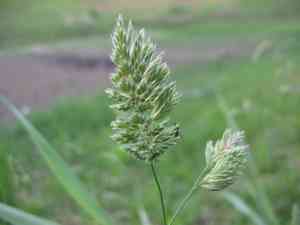
Sword-leaved rush (Juncus ensifolius)
Also known as: Dagger rush
Broadleaf cattail (*Typha latifolia*) is commonly found in wetland habitats around the globe due to its wide distribution. It serves as an excellent pioneer species, aiding in the restoration of degraded wetlands. Additionally, the Karuk Native American people have traditionally utilized this plant for basket weaving.
In This Article
Attributes of Sword-leaved rush
Lifespan
Perennial
Plant Type
Grass
Plant Height
50 cm
Spread
50 cm
Leaf Color
Green
Flower Size
1-2 mm
Flower Color
Brown Green Purple
Images of Sword-leaved rush
Quickly Identify Sword-leaved rush
1
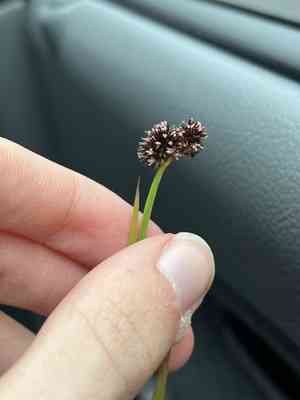
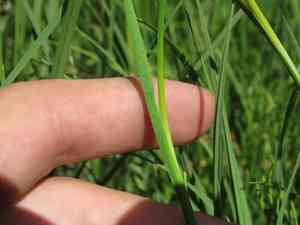
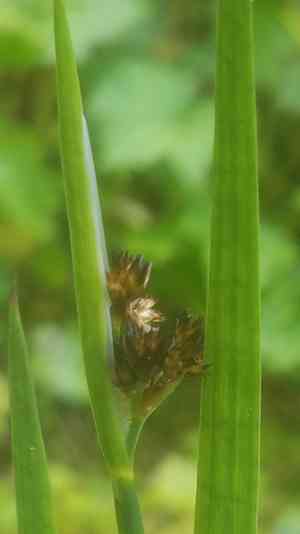
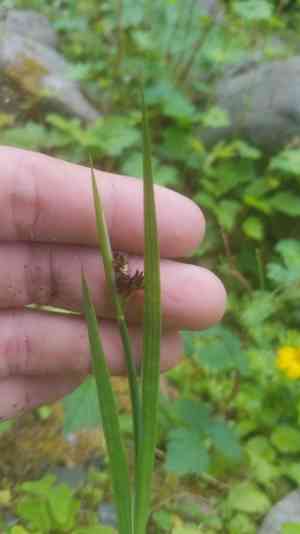
Juncus ensifolius can be identified by its sword-shaped leaves and its inflorescence consisting of clusters of small, brownish flowers. The plant often forms dense clumps and has a conspicuous triangular stem.
Scientific Classification of Sword-leaved rush
Phylum
Vascular plants
Class
Monocotyledons
Order
Poales
Family
Rush
Genus
Rushes
Species
Sword-leaved rush
Planting and Growing of Sword-leaved rush
Care Difficulty
Easy
Watering Schedule
Every 4 days
Sunlight Requirements
Full sun
Sunshine Duration
6-10 hours
Ideal Temperature
60-75℉
Soil Type
Potting Mix, Peat Mix
Soil pH
6-8
Fertilizer Type
Balanced
Pruning Season
Spring, Summer
Pruning Area
Branches, Leaves
Pruning Frequency
2 times a year
Repotting Season
Spring
Pot Type
Plastic, Terracotta
 How to Water Sword-leaved rush?
Juncus ensifolius thrives with watering that mimics its natural environment—a moist, yet not waterlogged soil. Each session, pour approximately 250 milliliters of water, ensuring the top inch of soil remains damp but excess water drains freely to prevent root rot.
What are the symptoms of an underwatered Sword-leaved rush?
›
What should I do if my Sword-leaved rush is not getting enough water?
›
What are the symptoms of an overwatered Sword-leaved rush?
›
How to save an overwatered Sword-leaved rush?
›
 What Are the Sunlight Requirements for Sword-leaved rush?
Juncus ensifolius ideally benefits from partial to full sun exposure. This range ensures the plant can synthesize enough energy for growth while keeping its structural integrity and enhancing its visual appeal.
More About Sunlight Requirements Techniques→
How much sunlight does Juncus ensifolius need?
›
What are the best solutions for providing ideal light conditions?
›
What benefits does sufficient sunlight provide for Juncus ensifolius?
›
 What Is the Ideal Temperature Range for Sword-leaved rush?
The ideal temperature range for cultivating Juncus ensifolius is between 60°F and 75°F. This range ensures optimal growth and health for the plant, promoting strong development of its foliage and root systems. Maintaining temperatures within this range helps prevent stress-related issues and supports the plant’s natural lifecycle processes.
 What Soil is Best for Sword-leaved rush?
Juncus ensifolius thrives in soil with good moisture retention but not waterlogged. Adequate drainage ensures that the roots are not submerged, preventing root rot while keeping the plant hydrated and lush. Its growth is enhanced in soils rich in organic matter. Organic content helps retain moisture and nutrients, providing a fertile environment essential for vigorous sprouting and luscious foliage. The plant flourishes with access to diverse soil nutrients. A well-balanced soil supports robust growth, aiding in disease prevention and contributing to vibrant plant health.
 How to Fertilize Sword-leaved rush?
For Juncus ensifolius, a sensible approach to fertilization is crucial. Use a balanced, all-purpose fertilizer at a concentration of about 50% of the recommended dosage on the label. This ensures the plant receives adequate nutrients without the risk of over-fertilization.
 How to Prune Sword-leaved rush?
Begin by identifying dead or damaged stems, which can appear brown and brittle. Cutting these back to the base encourages new, healthy growth and prevents potential pest infestations. After removing dead stems, focus on shaping the plant by trimming back overly long shoots. This will help maintain an attractive, compact appearance and prevent the plant from overtaking nearby flora. Thin out the central stems to improve air circulation within the plant. This reduces the risk of fungal diseases by allowing air to flow freely and moisture to evaporate effectively. Aim for a balanced appearance.
More About Pruning Techniques→
 How to Propagate Sword-leaved rush plant?
1
Start by filling the seed trays with a sterile seed starting mix. Scatter the seeds evenly over the surface and gently press them in. Water lightly to settle the seeds and place the tray in a warm, bright location, away from direct sunlight.
2
Carefully dig up the mature Juncus ensifolius clumps. Use a sharp knife or spade to divide the clumps into smaller sections, each with roots and shoots. Replant the divided sections in prepared soil, ensuring they are spaced appropriately.
3
After planting the seeds or divided sections, water them thoroughly. Maintain consistent moisture levels but avoid waterlogging. The seedlings should be kept in a location with temperatures ranging between 15-20°C for optimal growth.
 How to Repot Sword-leaved rush plant?
1
Juncus ensifolius often indicates the need for repotting when its roots begin to circle around the pot or when water takes longer to drain. These are telltale signs that the plant's growth is being restricted and it's time for a roomier home. Keep an eye out for these signals, especially during its active growing periods in spring and summer.
2
Opt for a pot that's 1 to 2 inches larger in diameter than the current one. This size upgrade offers the roots enough space to expand without overwhelming them with excess soil, which could potentially lead to water retention issues. Always select pots with good drainage to prevent root rot.
3
A sandy, loamy mix is best for Juncus ensifolius as it mimics its natural habitat. This type of soil ensures good drainage while retaining enough moisture for the plant’s needs. Such a blend helps anchor the plant firmly while allowing the roots to breathe, fostering healthier growth.



