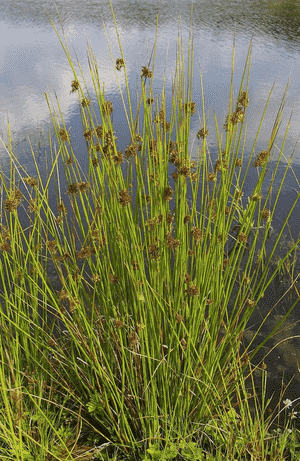
Common rush (Juncus effusus)
Also known as: Bog rush, Pin rush, Sugar grass
Common rush (Juncus effusus), also known as soft rush, is a perennial plant that resembles tall grass and grows in clumps. It thrives in wet, marshy conditions, making it ideal for areas with standing water or consistently moist soil. This plant spreads via rhizomes and can be cultivated both in aquatic environments and as an indoor houseplant. It prefers locations with full sun to partial shade.
In This Article
Attributes of Common rush
Lifespan
Perennial
Plant Type
Herb
Plant Height
61 cm to 1.2 m
Spread
30 cm
Leaf Color
Green Yellow
Flower Size
2.5 cm
Flower Color
Brown Yellow Green
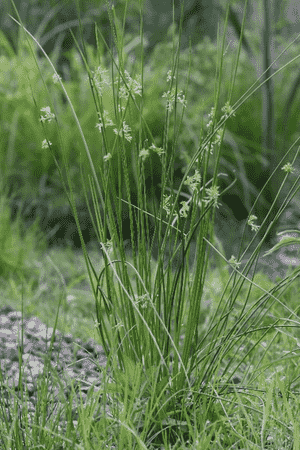
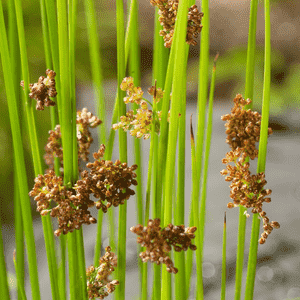
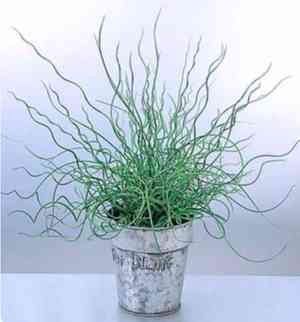
Images of Common rush
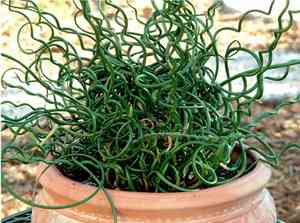
Quickly Identify Common rush
1
Cylindrical green stems, 12 - 36 inches (30 - 91 cm) tall.
2
Spikey cyme clusters with small, scaly yellowish-green to brown flowers.
3
Basal sheaths support stems, up to 3 feet (90 cm) tall.
4
Smooth, glossy, unbranched stem, up to 4 feet (120 cm) tall.
5
Hollow stems lack traditional leaves, with a fine matte finish.
Scientific Classification of Common rush
Phylum
Vascular plants
Class
Monocotyledons
Order
Grasses, sedges and allies
Family
Rush
Genus
Rushes
Species
Common rush
Planting and Growing of Common rush
Care Difficulty
Easy
Watering Schedule
Every 8 days
Sunlight Requirements
Partial sun
Sunshine Duration
6-12 hours
Ideal Temperature
60-77℉
Soil Type
Potting Mix, Peat Mix
Soil pH
4-7
Fertilizer Type
Balanced
Pruning Season
Spring, Summer
Pruning Area
Branches, Leaves
Pruning Frequency
2 times a year
Repotting Season
Spring
Pot Type
Plastic, Ceramic
 How to Water Common rush?
For Juncus effusus, ensure that the soil remains consistently moist but not waterlogged. Water until you see the soil is adequately saturated, without pooling water. This plant thrives in wet conditions similar to its natural marshy habitats.
More About Watering Techniques→
What are the symptoms of an underwatered Common rush?
›
What should I do if my Common rush is not getting enough water?
›
What are the symptoms of an overwatered Common rush?
›
How to save an overwatered Common rush?
›
 What Are the Sunlight Requirements for Common rush?
Juncus effusus thrives best in partial sun to full sun conditions. Proper lighting promotes robust growth, vibrant foliage colors, and effective photosynthesis, ultimately leading to a healthy, resilient plant.
More About Sunlight Requirements Techniques→
What is the best lighting for Juncus effusus?
›
How to achieve ideal lighting for Juncus effusus?
›
What benefits does ideal lighting offer to Juncus effusus?
›
 What Is the Ideal Temperature Range for Common rush?
The ideal temperature range between 60°F to 77°F is crucial for Juncus effusus as it promotes optimal growth and development. In this range, the plant can effectively carry out its metabolic activities, which are vital for its overall health. Temperature fluctuations outside this range can stress the plant, leading to potential growth issues or vulnerability to diseases.
 What Soil is Best for Common rush?
Juncus effusus thrives in conditions where soil retains moisture effectively. This is crucial for the plant's health as it ensures consistent water supply, providing robustness and longevity. The plant benefits significantly from a nutrient-rich environment, promoting vibrant growth and resilience. Loamy and peat soils are particularly beneficial due to their inherent fertility. Despite its preference for wet conditions, Juncus effusus requires soil that allows excessive water drainage to prevent root rot, safeguarding root health and preventing waterlogging damage.
More About Soil→
 How to Fertilize Common rush?
For Juncus effusus, use a balanced liquid fertilizer diluted to half strength. Apply approximately 500 ml (17 oz) of the diluted solution per plant. For slow-release fertilizers, follow the package's recommended rate, generally about 25 grams (1 oz) per plant.
More About Fertilizing Techniques→
 How to Prune Common rush?
Examine the plant to identify stems that are old, discolored, or growing in awkward directions. Juncus effusus typically has dense, cylindrical stems, so look for those that stand out as problematic. Cut them down close to the base of the plant. If your goal is to maintain an appealing shape, selectively trim some of the outer stems. This keeps the plant looking tidy and encourages a fuller, more balanced growth. Be mindful to not over-trim, as Juncus effusus thrives with some density.
More About Pruning Techniques→
 How to Propagate Common rush plant?
1
To propagate Juncus effusus from seeds, start by evenly distributing the seeds on the surface of a moistened seed-starting mix in seed trays. Lightly press the seeds into the soil, but do not cover them completely as they require light for germination. Keep the soil consistently moist and maintain a warm temperature.
2
For division propagation, carefully dig up the plant in early spring when new growth begins. Use a spade to cut the rootball into sections, ensuring each section has both shoots and roots. Replant each division quickly to prevent the roots from drying out, and water thoroughly.
3
After placing seeds or divisions in their growing medium, maintain consistent moisture and temperature. Seeds typically germinate in a week or two under optimal conditions, while divisions need some weeks to settle and start new growth.
 How to Repot Common rush plant?
1
Juncus effusus should be repotted when you notice roots starting to emerge from drainage holes, signifying that it's root-bound. Alternatively, if the plant's growth has significantly slowed down, it could indicate the need for a larger pot. Spring or summer are the best times, as the plant can recover more quickly with the benefit of warm growing conditions.
2
Select a pot that is only slightly larger than the current one, ideally 1-2 inches larger in diameter. This prevents excessive water retention, which could lead to root rot. The pot should have drainage holes to allow excess water to escape and keep the roots healthy and aerated.
3
Opt for a moisture-retentive potting mix, which suits the water-loving nature of Juncus effusus. A mix that holds moisture yet drains well will prevent root asphyxiation and provide the needed hydration, simulating the plant’s natural habitat where consistent moisture levels are present.



