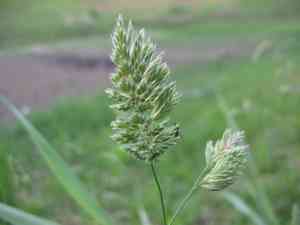
Baltic rush (Juncus balticus)
Also known as: Baltic Rush, Wire Rush
American beachgrass (Ammophila breviligulata) thrives in salt marshes and coastal dunes and has also adapted well to the heavily salted roads in New England. This grass is excellent for soil stabilization due to its robust root system, which is well-suited to these challenging environments.
In This Article
Attributes of Baltic rush
Lifespan
Perennial
Plant Type
Grass
Plant Height
75 cm
Spread
Typically narrow and upright, no distinct crown
Leaf Color
Green
Flower Size
Small, around 0.2 cm
Flower Color
White Yellow Red Brown
Images of Baltic rush
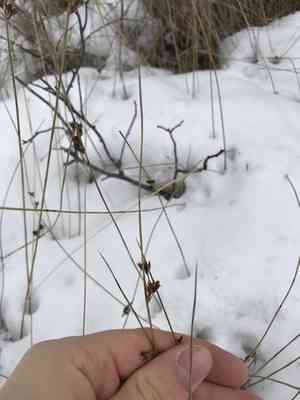
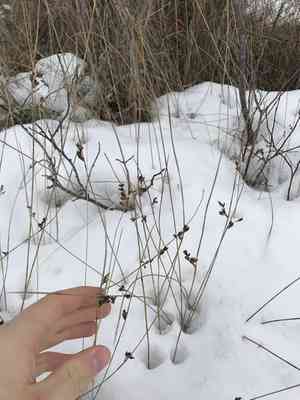
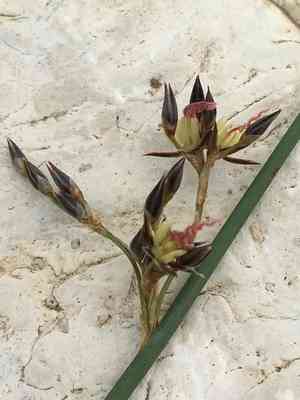
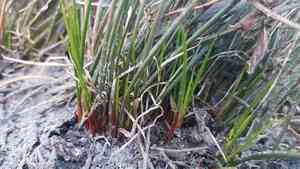
Quickly Identify Baltic rush
1
Identify Juncus balticus by its cylindrical, green stems that can grow up to 1 meter (3 feet) tall. It has narrow, grass-like leaves and produces small, brown flowers in clusters at the top of the stems.
Scientific Classification of Baltic rush
Phylum
Vascular plants
Class
Monocotyledons
Order
Poales
Family
Rush
Genus
Rushes
Species
Baltic rush
Planting and Growing of Baltic rush
Care Difficulty
Easy
Watering Schedule
Every 4 days
Sunlight Requirements
Full sun
Sunshine Duration
4-8 hours
Ideal Temperature
59-77℉
Soil Type
Potting Mix, Peat Mix
Soil pH
5.5-7.5
Fertilizer Type
Balanced
Pruning Season
Spring, Summer
Pruning Area
Branches, Leaves
Pruning Frequency
2 times a year
Repotting Season
Spring
Pot Type
Plastic, Ceramic
 How to Water Baltic rush?
When watering Juncus balticus, aim to thoroughly soak the soil until water slightly drains out from the bottom. This mimics its natural wetland environment. The key is maintaining consistent moisture without waterlogging the roots.
What are the symptoms of an underwatered Baltic rush?
›
What should I do if my Baltic rush is not getting enough water?
›
What are the symptoms of an overwatered Baltic rush?
›
How to save an overwatered Baltic rush?
›
 What Are the Sunlight Requirements for Baltic rush?
Juncus balticus thrives best in environments providing full to partial sun, specifically four to six hours of direct sunlight. This lighting fosters strong growth, deep green leaves, and resilience against environmental stressors.
More About Sunlight Requirements Techniques→
What is the best position for Juncus balticus?
›
How can you simulate ideal lighting conditions indoors?
›
What benefits do ideal lighting conditions offer?
›
 What Is the Ideal Temperature Range for Baltic rush?
The ideal temperature range for Juncus balticus, also known as Baltic Rush, is between 59°F and 77°F. This range provides optimal conditions for photosynthesis, growth, and general plant vigor. Ensuring that the plant is within this temperature range encourages strong cellular activity and nutrient uptake, contributing to a robust growth pattern and resilience against stress.
 What Soil is Best for Baltic rush?
Juncus balticus thrives in soil that retains moisture effectively. This is essential since it naturally grows in wetlands and marshy areas. Sufficient moisture ensures healthy growth and robust development. This plant benefits from soil with moderate nutrient levels. A good balance of nutrients, especially nitrogen, supports its lush, green growth and ability to rebound in various habitats. While moisture is crucial, Juncus balticus prefers soils with good drainage to prevent waterlogging. Well-drained conditions help in avoiding root rot and keeping the plant healthy.
 How to Fertilize Baltic rush?
For Juncus balticus, use a balanced fertilizer at half the recommended strength. Too much can harm the plant, while too little may result in stunted growth. This plant benefits from minimal feeding as it's adapted to nutrient-poor environments.
 How to Prune Baltic rush?
Gather sharp, clean pruning shears and wear gloves to protect your hands. Begin by observing the plant to identify dead or damaged stems. Ensure good lighting and comfort to avoid mishaps during the pruning process. Begin by cutting dead, damaged, or diseased stems at the base while leaving healthy, green growth. Removing these parts reduces stress on the plant and promotes vigorous new growth, essential for the plant's aesthetic and health. Trim back the outermost stems to maintain your desired shape. Cut at a 45-degree angle to encourage water runoff and prevent stem rot. Consistent shaping keeps Juncus balticus tidy and prevents it from overextending its boundaries in your garden.
More About Pruning Techniques→
 How to Propagate Baltic rush plant?
1
Begin by sowing seeds in seedling trays filled with a mix of peat moss and sandy soil. Ensure the soil is moist, but not waterlogged. Cover lightly with soil and place in a warm location with indirect sunlight.
2
Carefully lift mature plants out of the soil using a garden spade. Shake off excess soil to expose the rhizomes. Use a clean knife to divide the rhizomes, ensuring each part has roots and shoots.
3
Once seedlings have two to three true leaves or divisions have healed roots, transplant them into prepared garden beds. Make sure the planting site has adequate moisture and partial to full sun exposure.
 How to Repot Baltic rush plant?
1
Signs that Juncus balticus needs repotting include roots growing out of the drainage holes, soil compacting, and the plant looking crowded in its pot. Spring or summer is ideal for repotting since the plant is actively growing and can recover quickly.
2
Select a pot that is one size larger than the current one with sufficient drainage holes. A slightly larger pot allows room for growth and ensures water can drain effectively, reducing the risk of root rot.
3
A well-draining sandy loam soil is ideal for Juncus balticus. This type of soil ensures adequate drainage while retaining enough moisture to support the plant's water needs. It helps prevent waterlogging, which can lead to root rot.



