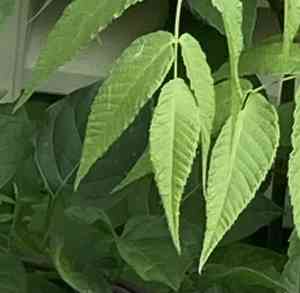
Walnuts (Juglans) (Juglans)
Also known as: Walnut, Common Walnut, English Walnut
Walnuts are widely cultivated for their versatile applications beyond just the edible nuts. The nuts can be enjoyed raw or incorporated into various culinary dishes such as salads and baked goods. Walnut oil, extracted from the nuts, is also popular in cooking and skincare.
The shells of walnuts have industrial uses, including as abrasives for polishing and in livestock feed. Additionally, walnut wood is highly prized in woodworking for crafting fine furniture and intricate carvings.
These diverse uses make walnuts an important and multifunctional crop.
In This Article
Attributes of Walnuts (Juglans)
Lifespan
Perennial
Plant Height
10-40 meters
Spread
10-20 meters
Leaf Color
Green
Flower Size
Small, less than 1 cm
Flower Color
Greenish
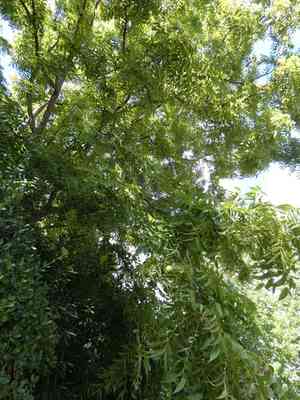
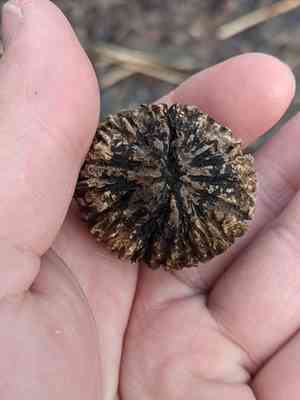
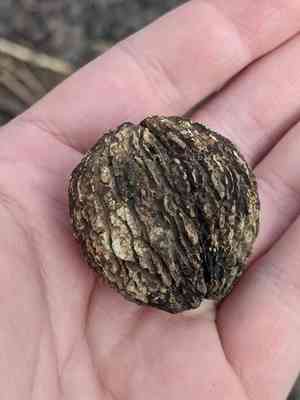
Images of Walnuts (Juglans)
Quickly Identify Walnuts (Juglans)
1
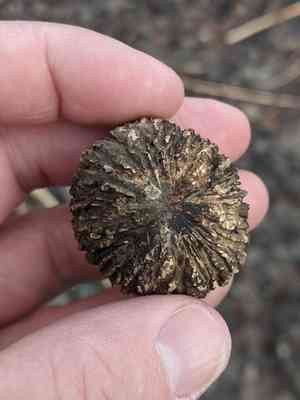
Walnut trees can be identified by their large, pinnate leaves, deeply furrowed bark, and distinctive chambered pith in the twigs. Their fruit has a hard shell surrounded by a fleshy green husk.
Scientific Classification of Walnuts (Juglans)
Phylum
Magnoliophyta
Class
Magnoliopsida
Order
Fagales
Family
Juglandaceae
Genus
Juglans
Planting and Growing of Walnuts (Juglans)
Care Difficulty
Moderate
Watering Schedule
Every 3 days
Sunlight Requirements
Full sun
Sunshine Duration
6-12 hours
Ideal Temperature
60-75℉
Soil Type
Potting Mix, Peat Mix
Soil pH
6.5-7.5
Fertilizer Type
Balanced
Pruning Season
Spring, Summer
Pruning Area
Branches, Leaves
Pruning Frequency
2 times a year
Repotting Season
Spring
Pot Type
Terracotta, Plastic
 How to Water Walnuts (Juglans)?
For Juglans, it's crucial to maintain consistent moisture levels without drowning the roots. Water until the first 10 inches of soil are moist, which usually requires about 500 ml, ensuring the soil is damp but not waterlogged.
What are the symptoms of an underwatered Walnuts (Juglans)?
›
What should I do if my Walnuts (Juglans) is not getting enough water?
›
What are the symptoms of an overwatered Walnuts (Juglans)?
›
How to save an overwatered Walnuts (Juglans)?
›
 What Are the Sunlight Requirements for Walnuts (Juglans)?
Juglans thrive best under full sun to partial sun conditions, receiving 6 to 8 hours of sunlight. This light range ensures vigorous growth and optimal nut production, enhancing both health and yield.
How to achieve ideal lighting for Juglans?
›
What specific measures can be taken?
›
What are the benefits of ideal lighting?
›
 What Is the Ideal Temperature Range for Walnuts (Juglans)?
For optimal growth, Juglans thrives best between 60°F and 75°F. This temperature range ensures proper metabolic processes and growth rate. During this range, photosynthesis and respiration work efficiently, fostering healthy development and nut production.
 What Soil is Best for Walnuts (Juglans)?
Juglans requires well-drained soil to thrive, as it prevents root rot by ensuring that water doesn't stagnate around the roots, thereby promoting healthy growth. Juglans prefers moderately fertile soil, which provides essential nutrients for its growth without overwhelming it, promoting a healthy, balanced development. Achieving a balance in moisture retention is crucial for Juglans. This ensures that the plant has constant access to water while preventing water-logged conditions.
 How to Fertilize Walnuts (Juglans)?
For Juglans, the appropriate fertilizer amount involves balancing nitrogen, phosphorus, and potassium according to the growth stage. Young trees need less nitrogen compared to mature ones. Typically, for a mature tree, about 0.5 pounds of nitrogen per inch of trunk diameter per year is recommended.
 How to Prune Walnuts (Juglans)?
Begin by removing any dead, damaged, or diseased wood. This not only helps in maintaining the visual appeal of the tree but also prevents the spread of diseases. Cut back to healthy wood, ensuring you make clean cuts close to a junction or bud to encourage healing. Focus on shaping the tree to allow light and air to penetrate through the canopy. This involves thinning out crowded branches. Remove any crossing branches which can rub against each other, as this can be a source for disease entry. Depending on the space and your landscape preference, you may want to control the size of your Juglans tree. Prune back long branches to a desired size. Ensure your cuts are at a 45-degree angle, just above a bud that faces outward.
 How to Propagate Walnuts (Juglans) plant?
1
Choose mature and healthy seeds from a reputable source. It is important to ensure that the seeds are from a well-conserved genetic stock to promote vigor and adaptation.
2
Place the seeds in seed trays filled with a mixture of soil and sand. Keep them moist but not waterlogged, and ensure they receive adequate sunlight for the germination process to be successful.
3
Select compatible rootstocks and scions for grafting. Use a sharp grafting knife to make precise cuts on both the scion and the rootstock to ensure good contact and fusion of the graft.
 How to Repot Walnuts (Juglans) plant?
1
Repot Juglans when you notice its roots growing out of the drainage holes or circling the root ball's perimeter. Additionally, if the soil looks depleted or if the plant becomes top-heavy, it's time for repotting. This ensures Juglans continues to have space for healthy root growth and nutrient uptake.
2
Select a pot that is one size larger than the current one, ensuring it has good drainage holes. A terracotta pot works well as it is porous, allowing for extra air exchange that benefits root health. Avoid overly large pots as they can lead to water retention issues.
3
Opt for a loamy, well-draining soil mix with added compost for nutrient enrichment. This type of soil mimics Juglans’ natural habitat, providing necessary nutrients while ensuring excess water flows away, preventing root rot.
Toxicity
Ingestion, Contact
WARNING
The judgment on toxicity and danger is for reference only. We DO NOT GUARANTEE any accuracy of such judgment. Therefore, you SHALL NOT rely on such judgment. It is IMPORTANT TO SEEK PROFESSIONAL ADVICE in advance when necessary.

