Black walnut(Juglans nigra)

Black walnut (Juglans nigra)

Also known as: Eastern Black Walnut, Eastern american black walnut

### Benefits:
1. **High-Quality Timber**: Black walnut wood is highly valued for its dark, attractive color and durability, making it sought after for high-end furniture and woodworking.
2. **Nut Production**: The trees yield nutritious walnuts that can be consumed or sold, adding an extra revenue stream.
3. **Habitat for Wildlife**: They offer food sources and habitat for various wildlife species.
4. **Erosion Control**: The deep root systems help stabilize soil and prevent erosion.

### Drawbacks:
1. **Juglone Production**: Black walnut trees release a chemical called juglone, which can be toxic to many surrounding plants, making it challenging to cultivate other vegetation nearby.
2. **Slow Maturation**: These trees take a long time to mature, often several decades, before they can be harvested for timber or produce significant quantities of nuts.
3. **Disease Susceptibility**: They are prone to Thousand Cankers Disease, which can severely affect tree health and longevity.
4. **Maintenance and Cleanup**: Regular pruning and pest management are needed, and fallen nuts can create a cleanup issue.

### Summary:
Black walnut trees are valuable for their high-quality timber and nutritious nuts but present challenges like juglone toxicity, slow growth, disease susceptibility, and maintenance requirements.

Attributes of Black walnut

Lifespan
Perennial
Plant Type
Tree
Plant Height
20 m to 45 m
Spread
20 m
Leaf Color
Green
Flower Size
1 cm to 3 cm
Flower Color
Green Yellow

PlantJoy - Identify plants with a snap

Identify and diagnose plants, get toxicity alerts, and explore safety guides for all types of fungi.

Try for Free

Images of Black walnut

Black walnut(Juglans nigra)

Quickly Identify Black walnut

1
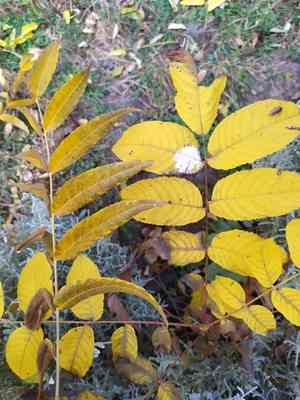
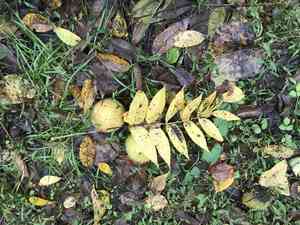
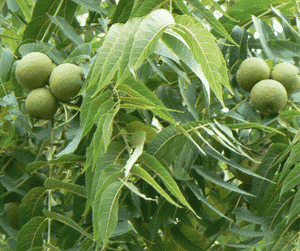
Compound leaves with 15-23 finely toothed leaflets, 2-4 inches (5-10 cm) long.
2
Dark grey to black bark with deep furrows and diamond-patterned ridges.
3
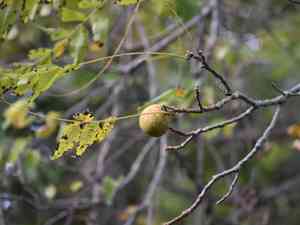
Large round fruits, 1-2 inches (2.5-5 cm) in diameter, with green husks turning black.
4
Catkin flowers measuring 2½ to 5½ inches (6 to 14 cm), yellow-green in color.
5
Trunk with rough, deeply furrowed dark brown bark featuring diamond-shaped patterns.

Scientific Classification of Black walnut

Phylum
Vascular plants
Class
Dicotyledons
Order
Beeches, walnuts, and allied trees
Family
Walnut
Genus
Walnuts
Species
Black walnut

Planting and Growing of Black walnut

Care Difficulty
Hard
Watering Schedule
Every 2 days
Sunlight Requirements
Full sun
Sunshine Duration
6-10 hours
Ideal Temperature
60-75℉
Soil Type
Potting Mix, Peat Mix
Soil pH
6.5-7.5
Fertilizer Type
Balanced
Pruning Season
Spring, Summer
Pruning Area
Branches, Leaves
Pruning Frequency
2 times a year
Repotting Season
Spring
Pot Type
Plastic, Terracotta

water icon How to Water Black walnut?

When watering Juglans nigra, ensure the soil is saturated enough to reach its deep roots. An adequate amount is about 10,000 milliliters per session. This ensures that the tree receives enough moisture without causing waterlogging. It's essential to allow the moisture to penetrate deeply for proper root hydration.
What are the symptoms of an underwatered Black walnut?
What should I do if my Black walnut is not getting enough water?
What are the symptoms of an overwatered Black walnut?
How to save an overwatered Black walnut?
More About Watering Techniques

sunlight icon What Are the Sunlight Requirements for Black walnut?

Sunlight Requirements: Full sun, Partial sun
Duration of light: 6 to 8 hours daily
Juglans nigra ideally receives full to partial sun, with at least six hours of light daily. This ensures healthy leaf coloration, vigorous growth, and optimal nut production.
How much sunlight does Juglans nigra prefer?
What benefits does ideal sunlight provide for Juglans nigra?
How can I ensure Juglans nigra receives the ideal sunlight?
More About Sunlight Requirements Techniques

temperature icon What Is the Ideal Temperature Range for Black walnut?

Ideal Temperature: 60 ~ 75℉
The ideal temperature range for Juglans nigra, commonly known as Black Walnut, is between 60°F and 75°F. This range facilitates optimal physiological processes including photosynthesis, nutrient uptake, and growth. Maintaining this temperature ensures that the plant's enzymatic activities are not hindered, which can be impacted negatively by temperatures outside this range.

soil icon What Soil is Best for Black walnut?

Soil type: Loam, Sandy loam
Soil PH: 6.5 ~ 7.5
Juglans nigra thrives in well-drained soils that prevent root rot, ensuring the tree remains healthy and robust. Proper drainage is vital to avoid waterlogging. This plant prefers soils rich in organic matter, which provide essential nutrients, promoting vigorous growth and enhancing the tree's overall vitality. While drainage is crucial, the soil should also have adequate moisture retention to support the tree during dry spells, balancing between too dry and too wet conditions. More About Soil

fertilize icon How to Fertilize Black walnut?

Fertilizer type: Balanced
For Juglans nigra, the appropriate fertilizer amount depends on the tree's age and soil conditions. Young trees benefit from nitrogen-rich fertilizers, applied at a rate of 1 pound for each year of the tree's age, up to a maximum of 10 pounds per year. Mature trees require less frequent fertilization, typically around 2 to 4 pounds per year, based on soil test recommendations. More About Fertilizing Techniques

prune icon How to Prune Black walnut?

Pruning Time: Spring, Summer
Start by identifying and removing any dead, damaged, or crossed branches to promote healthy growth. Focus on creating a balanced structure by trimming back overly long branches and opening up the center. More About Pruning Techniques

propagate icon How to Propagate Black walnut plant?

Propagate Time: Spring
1
Black walnut seeds require a stratification period to break dormancy, typically lasting 90 to 120 days in a cold and moist environment to ensure successful germination.
2
Once stratified, sow seeds in nutrient-rich soil at an appropriate depth, keeping the soil consistently moist but well-drained to promote healthy growth.
3
Select healthy rootstock and scion; ensure both are compatible and properly sanitized, then align and secure them together for optimal growth fusion.
More About Propagating Techniques

repot icon How to Repot Black walnut plant?

Repotting frequency: Every 2-4 years
1
Black walnut, or Juglans nigra, should be repotted when you notice significant root crowding or poor water retention in the soil. These signals indicate that the plant has outgrown its current home. Additionally, if you observe stunted growth or visible roots through the drainage holes, it's time to consider a new pot. Spring or early autumn are ideal seasons as the plant is neither in its dormant winter phase nor in its heat-stressed summer growth.
2
Choosing the right pot for your Juglans nigra is crucial. Opt for a pot that is 2-4 inches larger in diameter than the current one. This allows enough room for growth without overwatering risk. Terra cotta pots are excellent as they promote good airflow and reduce the chance of soil becoming waterlogged. A pot with adequate drainage helps prevent root rot, which is critical for healthy growth.
3
The perfect soil for Juglans nigra should be a well-draining loam mix with organic material. A mixture of compost, garden soil, and perlite works well, providing nutrients while ensuring proper drainage. This soil composition protects the plant from water stress and root rot, further encouraging robust growth and strong root development.

PlantJoy - Identify plants with a snap

Find the best spots for them to optimize their health, simply using your phone.

Try for Free

Toxicity of Black walnut

Is Black walnut toxic to humans?

The black walnut is a tree characterized by its toxic properties, which can be harmful to humans upon contact or ingestion. Generally, the toxic effects are mild in nature. While all parts of the tree contain the potentially harmful compound known as juglone, the most toxic component is found in the fruit husks. Contact with juglone may result in skin irritation and welts, whereas consuming this substance could lead to adverse reactions in humans. When interacting with the tree or handling neighboring plants that may have been affected by juglone, it is advisable to wear gloves to prevent skin irritation.

Is Black walnut toxic to cat?

Black walnut is known to be toxic to cats. These animals might accidentally consume the plant, resulting in poisoning. The most frequently implicated parts are the leaves and roots of the black walnut tree. When ingested, a cat may display symptoms of physical distress or illness, which are signs of poisoning. Consequently, if there is any suspicion that a cat has ingested black walnut, it is essential that they receive prompt veterinary attention to mitigate possible health complications.

Is Black walnut toxic to dog?

The black walnut poses a significant risk of poisoning to dogs that consume it, making it crucial to promptly reach out to a veterinarian. Nuts that have fallen and begun to mold can lead to serious symptoms, such as tremors and seizures. Research has indicated that ingestion of wood from the black walnut tree can also result in poisoning in dogs, manifesting in panting, agitation, and vomiting.

Identify toxic plants for your safety

Learn which plants are harmful to you and your pets, and make informed choices for a safer home!

Try for Free
WARNING
The judgment on toxicity and danger is for reference only. We DO NOT GUARANTEE any accuracy of such judgment. Therefore, you SHALL NOT rely on such judgment. It is IMPORTANT TO SEEK PROFESSIONAL ADVICE in advance when necessary.
More About Toxic Techniques