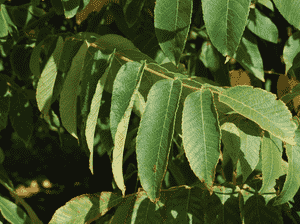
Butternut (Juglans cinerea)
Also known as: Butternut tree
The Butternut (*Juglans cinerea*) is an American native walnut species. This deciduous tree typically reaches heights of 18 to 24 meters and features a broad, rounded canopy. In autumn, it yields sweet, oily nuts that are quite tasty. Unfortunately, the species is at risk due to a fungal canker that poses a significant threat to its survival in forests and natural habitats.
Attributes of Butternut
Images of Butternut
Quickly Identify Butternut
Scientific Classification of Butternut
Planting and Growing of Butternut
 How to Water Butternut?
 What Are the Sunlight Requirements for Butternut?
 What Is the Ideal Temperature Range for Butternut?
 What Soil is Best for Butternut?
 How to Fertilize Butternut?
 How to Prune Butternut?
 How to Propagate Butternut plant?
 How to Repot Butternut plant?
Toxicity of Butternut
Is Butternut toxic to humans?
The butternut tree is known to produce juglone, a potent toxin, present in all its tissues except for the nuts. Individuals who handle walnut wood may experience skin rashes resulting from direct contact with the sap or sawdust, and they are also at risk of respiratory issues, inflammation, fatigue, and mood disturbances due to inhaling its sawdust over time. The fruit husks and flesh have a historical usage as fish poison, highlighting the seriousness of this toxin. Consumption of the fruit, leaves, or other parts of the tree can lead to poisoning in humans as well, inducing gastrointestinal distress and possibly severe respiratory complications. It is crucial to keep children away from both the tree itself and its byproducts such as raw wood, wood chips, and sawdust.
Is Butternut toxic to cat?
The butternut tree presents a moderate risk of toxicity to cats. If felines consume any of its components, including the fruits, leaves, or roots, they may suffer from poisoning. Symptoms of exposure can manifest as signs of physical discomfort or illness, which may encompass a variety of poisoning-related reactions. To protect their pets' health, it is crucial for owners to restrict access to these plant parts and to seek prompt veterinary assistance if there is any suspicion that a cat has ingested butternut. Quick intervention is critical to alleviate the impact of the toxic exposure and to safeguard the health of the affected feline.
Is Butternut toxic to dog?
Butternut presents a moderate toxicity threat to dogs. Canines may suffer poisoning by consuming various parts of the plant, particularly the fruits, leaves, and roots. Should a dog ingest any of these elements, it could display symptoms like gastrointestinal distress, lethargy, or more severe indications based on the quantity ingested. It is essential for pet owners to restrict access to butternut and pursue prompt veterinary attention if their pet exhibits any symptoms of toxicity.



