Twinleaf (Jeffersonia) (Jeffersonia)
Also known as: Twinleaf
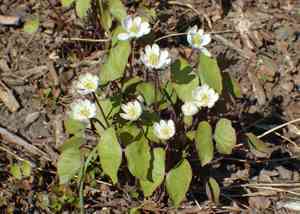
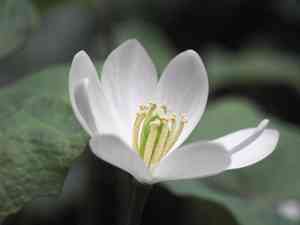
The plant you're describing is Twinleaf (Jeffersonia). It features large, blue-green leaves that split into two symmetrical lobes, resembling a butterfly's wings. In the spring, it produces white tubular flowers, followed by cylindrical, capped fruits. Twinleaf is ideal for ground cover in shady areas, is generally pest-free, and integrates seamlessly into woodland or shade garden settings.
In This Article
Attributes of Twinleaf (Jeffersonia)
Lifespan
Perennial
Plant Height
20-30 cm
Spread
15-20 cm
Leaf Color
Green
Flower Size
2-3 cm
Flower Color
White
Images of Twinleaf (Jeffersonia)
Quickly Identify Twinleaf (Jeffersonia)
1
The plant can be identified by its unique, twin-lobed leaves that appear to be divided in half. Additionally, its white, cup-shaped flowers bloom briefly in early spring.
Scientific Classification of Twinleaf (Jeffersonia)
Phylum
Tracheophyta
Class
Magnoliopsida
Order
Ranunculales
Family
Berberidaceae
Genus
Jeffersonia
Planting and Growing of Twinleaf (Jeffersonia)
Care Difficulty
Moderate
Watering Schedule
Every 2 days
Sunlight Requirements
Partial sun
Sunshine Duration
6-10 hours
Ideal Temperature
60-75℉
Soil Type
Potting Mix, Peat Mix
Soil pH
6.5-7.5
Fertilizer Type
Balanced
Pruning Season
Spring, Summer
Pruning Area
Branches, Leaves
Pruning Frequency
2 times a year
Repotting Season
Spring
Pot Type
Plastic, Ceramic
 How to Water Twinleaf (Jeffersonia)?
Water Jeffersonia with approximately 200 ml each session. Ensure the soil is moistened uniformly but avoid water pooling. The goal is to keep the soil slightly damp, as excess water might lead to root rot.
What are the symptoms of an underwatered Twinleaf (Jeffersonia)?
›
What should I do if my Twinleaf (Jeffersonia) is not getting enough water?
›
What are the symptoms of an overwatered Twinleaf (Jeffersonia)?
›
How to save an overwatered Twinleaf (Jeffersonia)?
›
 What Are the Sunlight Requirements for Twinleaf (Jeffersonia)?
Jeffersonia thrives in partial sun conditions. This means receiving about 3 to 4 hours of indirect or dappled sunlight daily, promoting healthy growth and enhancing its overall vitality.
What is the ideal light condition for Jeffersonia?
›
How to achieve ideal lighting for Jeffersonia?
›
What are the benefits of ideal lighting conditions for Jeffersonia?
›
 What Is the Ideal Temperature Range for Twinleaf (Jeffersonia)?
Jeffersonia prefers a temperate climate with temperatures ranging from 60°F to 75°F. This range mimics the natural conditions of its native woodland habitat, ensuring optimal growth and development. At these temperatures, the plant can efficiently perform photosynthesis, maintain cellular processes, and thrive without stress.
 What Soil is Best for Twinleaf (Jeffersonia)?
Jeffersonia thrives best in well-draining soil. This type of soil prevents waterlogging and root rot, which are common issues. It allows for adequate oxygen exchange at the roots, ensuring that the plant can absorb nutrients efficiently and grow healthily. The ideal soil for Jeffersonia should be enriched with organic matter, which provides essential nutrients. Organic amendments, such as compost, help improve the soil structure, increase aeration, and support beneficial microorganisms, all contributing to the robust health of the plant. While Jeffersonia needs well-draining soil, it should also have the capacity to retain adequate moisture. Soils with a balanced organic content can hold moisture efficiently, reducing the need for frequent watering and ensuring the plant has access to water in between watering sessions.
 How to Fertilize Twinleaf (Jeffersonia)?
For Jeffersonia, it's essential to apply fertilizer moderately. During the growth period, use a balanced liquid fertilizer, diluted to half strength, to prevent over-fertilization. Aim for about 1/4 teaspoon per gallon of water for liquid fertilizers and scatter sparingly for slow-release options.
 How to Prune Twinleaf (Jeffersonia)?
Be sure to prune shortly after Jeffersonia has finished blooming in the spring. Pruning too late in the season might cause you to cut off next year's flower buds, which form soon after the current bloom fades. Only trim back what is necessary. Over-pruning can stress the plant and impact its ability to photosynthesize properly, which might slow its overall growth and flowering potential.
 How to Propagate Twinleaf (Jeffersonia) plant?
1
Begin by filling seed trays with a well-draining potting mix. Sow Jeffersonia seeds on the surface, lightly covering them with soil. Maintain consistent moisture and place the trays in a bright location away from direct sunlight.
2
Carefully dig up the mature Jeffersonia plant during late summer when it is dormant. Use a sharp spade to slice through the clump, ensuring each division has a healthy root section and a few growth buds.
3
Once seedlings or divisions have established roots, transplant them to a shaded garden spot with rich and well-drained soil. Water thoroughly and mulch to retain moisture.
 How to Repot Twinleaf (Jeffersonia) plant?
1
Look for signs like roots emerging from the pot's drainage holes or the soil drying out quicker than usual. These are indicators your Jeffersonia needs more room to breathe and flourish. Typically, early spring before new growth begins is the ideal time to repot, as this reduces stress and allows for recovery in the growing season.
2
When selecting a new pot, go for one that is only slightly larger than the current one. This ensures the roots have room to expand without overwhelming the plant with too much soil that can retain excess moisture. A pot with good drainage holes is essential to prevent root rot, promoting healthier growth.
3
Opt for a well-draining, slightly acidic soil mix enriched with organic matter. This will mimic Jeffersonia's natural habitat, providing the right balance of nutrients and drainage, crucial for preventing waterlogging while supplying essential nutrients for optimal growth.
Learn More About Twinleaf (Jeffersonia) Diseases
Anthracnose
Bacterial Leaf Spot
Bacterial Wilt
Chemical Injury
Crown Gall
Cyst Nematode
Damping-off
Downy Mildew
Drought Stress
Fusarium Wilt
Gray Mold
Leaf Spot
Mosaic
Nutrient Deficiency
Nutrient Toxicity
Powdery Mildew
Root Rot
Root-knot Nematode
Rusts
Sooty Mold
Spider Mites
Temperature Stress
Thrips Damage
White Mold

