
Bellyache bush (Jatropha gossypiifolia)
Also known as: Black physicnut
Jatropha gossypiifolia, often referred to as bellyache bush, black physicnut, or cotton-leaf physicnut, is a flowering plant in the Euphorbiaceae family. Originating from Mexico, South America, Gujarat (India), and the Caribbean, it has become a problematic weed in places like Puerto Rico and northern Australia, including Queensland, where it's classified as a Class 2 pest plant. Growing up to 2.5-4 meters tall, the plant has unique three-lobed leaves that transition from sticky purple in youth to bright green as they mature. It produces small clusters of red flowers with yellow centers, followed by toxic, cherry-sized seed pods. The plant is also susceptible to powdery mildew. In addition to its English names, it is known as pinon negro, pinon colorado, and tua-tua in Spanish; medicinier noir and medicinier rouge in French; mamoninha and peao-roxo in Brazil; and jarak merah and sibidigua in India.
Attributes of Bellyache bush
Images of Bellyache bush
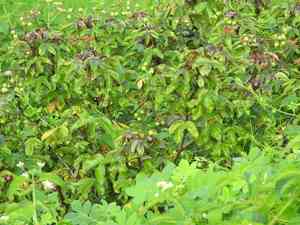
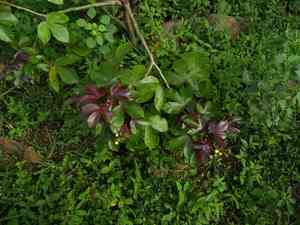
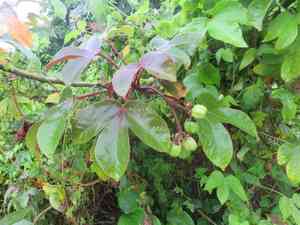
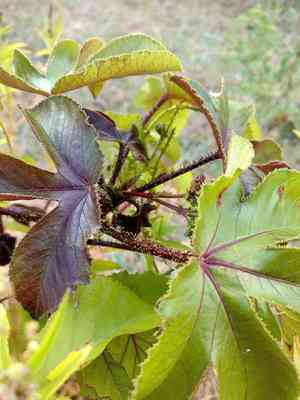
Quickly Identify Bellyache bush
Scientific Classification of Bellyache bush
Planting and Growing of Bellyache bush
 How to Water Bellyache bush?
 What Are the Sunlight Requirements for Bellyache bush?
 What Is the Ideal Temperature Range for Bellyache bush?
 What Soil is Best for Bellyache bush?
 How to Fertilize Bellyache bush?
 How to Prune Bellyache bush?
 How to Propagate Bellyache bush plant?
 How to Repot Bellyache bush plant?
Toxicity of Bellyache bush
Is Bellyache bush toxic to humans?
The plant known as "bellyache bush" derives its name from its significant toxicity. Every part of this plant can be poisonous if eaten, but the seeds pose the greatest threat, so it's crucial to avoid consuming them! The main toxic element in bellyache bush is curcin, which is akin to ricin; it primarily accumulates in the seeds but can also be found in the fruit and sap. Furthermore, this plant contains a purgative oil, which is again most concentrated in the seeds. While symptoms of poisoning primarily manifest as gastrointestinal distress, including diarrhea, other signs of toxicity remain largely unrecognized. The danger of ingestion is heightened by the plant's popularity as an ornamental species, particularly for young children who might not comprehend the risks of consuming an unfamiliar item.



