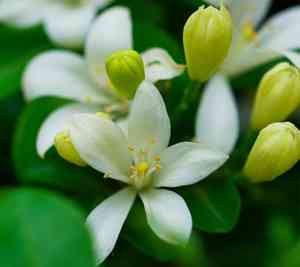
Arabian jasmine (Jasminum sambac)
Also known as: White-flowered Indian jasmine, Pikake
Arabian jasmine holds cultural importance in several countries. Notably, it is the national flower of both the Philippines and Indonesia. In Sri Lanka, it is commonly used in ceremonial attire and decorations. In China, it is a crucial component of Jasmine tea. In Hawaii, it's used to create aromatic leis, while in Pakistan, Bangladesh, and India, it is often used in garlands and for adorning hair.
In This Article
Attributes of Arabian jasmine
Lifespan
Perennial
Plant Type
Shrub
Plant Height
50 cm to 1 m
Spread
1.8 m to 3 m
Leaf Color
Green
Flower Size
2.5 cm
Flower Color
White
Images of Arabian jasmine
Quickly Identify Arabian jasmine
1
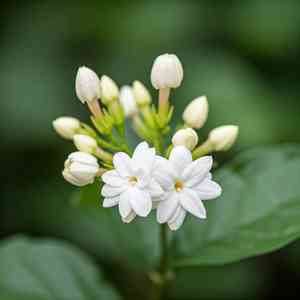
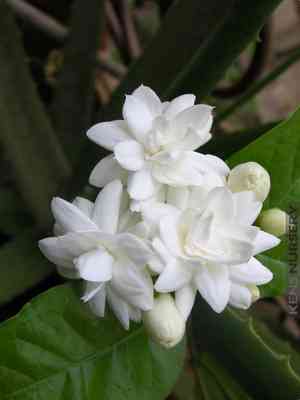
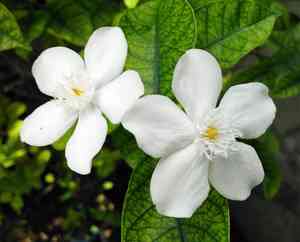
Jasminum sambac can be identified by its small white flowers that are often highly fragrant. The leaves are oval, shiny, and dark green. It is a climbing shrub that can be trained to a trellis or allowed to sprawl.
Scientific Classification of Arabian jasmine
Phylum
Vascular plants
Class
Dicotyledons
Order
Mints plantains olives and allies
Family
Olive
Genus
Jasmine
Species
Arabian jasmine
Planting and Growing of Arabian jasmine
Care Difficulty
Easy
Watering Schedule
Every 8 days
Sunlight Requirements
Full sun
Sunshine Duration
6-10 hours
Ideal Temperature
65-80℉
Soil Type
Potting Mix, Peat Mix
Soil pH
6.5-7.5
Fertilizer Type
Balanced
Pruning Season
Spring, Summer
Pruning Area
Branches, Leaves
Pruning Frequency
2 times a year
Repotting Season
Spring
Pot Type
Plastic, Ceramic
 How to Water Arabian jasmine?
Jasminum sambac, also known as Arabian Jasmine, thrives best when its soil is consistently moist but not waterlogged. This means the watering should be deep enough to reach down to the root zone without excess water pooling. Aim for about 500 milliliters per watering session, ensuring the water seeps through the soil uniformly.
More About Watering Techniques→
What are the symptoms of an underwatered Arabian jasmine?
›
What should I do if my Arabian jasmine is not getting enough water?
›
What are the symptoms of an overwatered Arabian jasmine?
›
How to save an overwatered Arabian jasmine?
›
 What Are the Sunlight Requirements for Arabian jasmine?
Partial to full sun exposure is ideal for Jasminum sambac. This light condition ensures robust flowering and healthy growth, showcasing its full potential with ample blooms and fragrance.
More About Sunlight Requirements Techniques→
What kind of light does Jasminum sambac need?
›
How to ensure they get enough light?
›
Benefits of getting ideal lighting for Jasmine?
›
 What Is the Ideal Temperature Range for Arabian jasmine?
The ideal temperature range for Jasminum sambac is between 65°F and 80°F. These temperatures provide the optimal conditions for growth, flowering, and leaf development. Keeping the plant within this range ensures that its physiological processes function efficiently, promoting overall health and vigorous growth.
 What Soil is Best for Arabian jasmine?
The soil should provide excellent drainage for Jasminum sambac to prevent root rot. Well-drained soil ensures that the roots receive adequate oxygen, essential for the plant's health and vigor. Jasminum sambac thrives in nutrient-rich soil that supports robust growth and flowering. A soil mix that's rich in organic matter, including compost or well-rotted manure, provides the essential nutrients needed. Though good drainage is crucial, the soil should also be capable of retaining some moisture to keep the plant hydrated, especially during dry spells. This balance helps maintain plant health without risking waterlogging.
More About Soil→
 How to Fertilize Arabian jasmine?
For Jasminum sambac, the ideal fertilizer amount depends on its growth stage. Young plants require less fertilizer, so use a balanced fertilizer at half the recommended strength. Mature plants, flourishing with growth and blooms, can handle full-strength doses. Always follow the product's label instructions to avoid over-fertilization.
More About Fertilizing Techniques→
 How to Prune Arabian jasmine?
To prune Jasminum sambac, start by identifying any dead or diseased branches and removing them at their base. Then, shape the plant by trimming back overgrown areas to maintain its desired size and form. Always use sharp, sterilized shears to make clean cuts just above a leaf node. This encourages bushier growth and more flowers. Regularly deadhead spent flowers to prevent the plant from developing seeds and instead channel energy into producing more blooms. Simply pinch off the flower's stem where it meets the leaf junction. This will also help keep your plant looking tidy and fresh.
More About Pruning Techniques→
 How to Propagate Arabian jasmine plant?
1
Choose healthy stems with no signs of disease. The cuttings should be around 4-6 inches long, with at least two leaves.
2
Remove leaves from the lower part of the cutting to prevent them from touching the rooting medium. Dip the cut end in rooting hormone if desired.
3
Insert the cutting into a well-draining potting mix. Ensure the cutting is stable and water it lightly to maintain moisture without waterlogging.
 How to Repot Arabian jasmine plant?
1
Jasminum sambac should be repotted when its roots become visible at the drainage holes, signaling the plant has outgrown its current container. Another indicator is when the soil dries out too quickly after watering. The best time to repot is during early spring when the plant is poised to enter its growth phase.
2
Select a pot that is one size larger than the current one with ample drainage holes. The increased size provides the roots with room to grow while ensuring adequate drainage, crucial for preventing waterlogged soil, which jasmines dislike. Pot material can be terracotta, allowing some breathability, beneficial in maintaining soil moisture balance.
3
Opt for a soil that is rich in organic matter but well-draining to prevent root rot. A mix of peat, perlite, and potting soil is ideal. This composition retains enough moisture for the jasmine to thrive while ensuring excess water can escape, keeping the roots healthy and promoting vigorous growth.
Learn More About Arabian jasmine Diseases
Anthracnose
Bacterial Leaf Spot
Bacterial Soft Rot
Bacterial Wilt
Black Spot
Chemical Injury
Crown Gall
Damping-off
Downy Mildew
Drought Stress
Fusarium Wilt
Gray Mold
Leaf Curl
Leaf Spot
Mosaic
Nutrient Deficiency
Nutrient Toxicity
Powdery Mildew
Root Rot
Root-knot Nematode
Rusts
Sooty Mold
Spider Mites
Temperature Stress
Thrips Damage
White Mold



