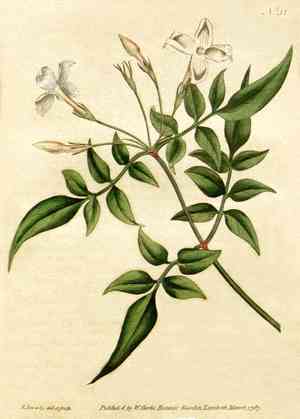
Common jasmine (Jasminum officinale)
Also known as: Jessamine, Common white jasmine, Summer jasmine
Common jasmine (Jasminum officinale) is a deciduous species known for its fragrant summer blooms. This plant is indigenous to regions including the Caucasus, northern Iran, Afghanistan, Pakistan, and the Himalayas.
In This Article
Attributes of Common jasmine
Lifespan
Perennial
Plant Type
Vine, Shrub
Plant Height
40 cm to 5 m
Spread
2 m to 4.5 m
Leaf Color
Green
Flower Size
2.5 cm
Flower Color
White Pink
Images of Common jasmine
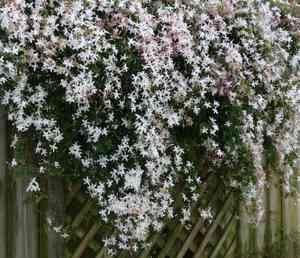
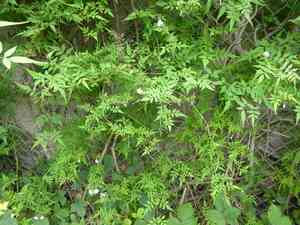
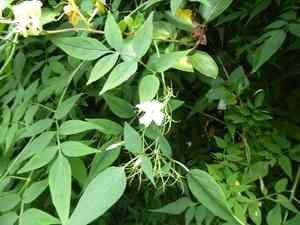
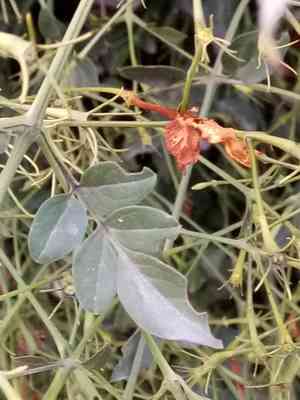
Quickly Identify Common jasmine
1
Vine that climbs up to 40 feet (12 meters) high and 15 feet (4.5 meters) wide.
2
Fragrant, tubular flowers transitioning from pink to white, attracting butterflies and hummingbirds.
3
Black, glossy berries about 0.3-0.4 inches (8-10 mm) in diameter, emerging from flowers.
4
Resilient to drought and pollution but not frost-hardy, needing protection in cooler climates.
5
Requires heavy pruning after blooming period to thrive and maintain health.
Scientific Classification of Common jasmine
Phylum
Vascular plants
Class
Dicotyledons
Order
Mints plantains olives and allies
Family
Olive
Genus
Jasmine
Species
Common jasmine
Planting and Growing of Common jasmine
Care Difficulty
Easy
Watering Schedule
Every 4 days
Sunlight Requirements
Full sun
Sunshine Duration
6-10 hours
Ideal Temperature
60-75℉
Soil Type
Potting Mix, Peat Mix
Soil pH
6.5-7.5
Fertilizer Type
Balanced
Pruning Season
Spring, Summer
Pruning Area
Branches, Leaves
Pruning Frequency
2 times a year
Repotting Season
Spring
Pot Type
Plastic, Ceramic
 How to Water Common jasmine?
The amount of water for Jasminum officinale should be moderate, ensuring that the soil is evenly moist but not waterlogged. You should aim to provide approximately 500 ml of water per session. This amount allows the water to penetrate deeply into the root system without creating standing water or soggy conditions that could lead to root rot.
More About Watering Techniques→
What are the symptoms of an underwatered Common jasmine?
›
What should I do if my Common jasmine is not getting enough water?
›
What are the symptoms of an overwatered Common jasmine?
›
How to save an overwatered Common jasmine?
›
 What Are the Sunlight Requirements for Common jasmine?
Jasminum officinale prefers partial to full sun exposure. It benefits from ideal sunlight through healthier growth and enhanced bloom quality, vital for its ornamental value.
More About Sunlight Requirements Techniques→
What is the best lighting condition?
›
How to achieve ideal lighting?
›
Benefits of ideal lighting?
›
 What Is the Ideal Temperature Range for Common jasmine?
The ideal temperature range for growing Jasminum officinale is between 60°F and 75°F. This range ensures adequate warmth for optimal growth without causing stress, promoting healthy flower production and lush foliage. In this temperature range, the plant can metabolize nutrients efficiently and sustain vigorous growth.
 What Soil is Best for Common jasmine?
Jasminum officinale thrives in well-drained soil as it prevents waterlogging, which can lead to root rot. A well-drained soil ensures that the roots receive enough oxygen, promoting healthy growth and abundant flowering. This plant benefits greatly from a nutrient-rich soil as it provides essential nutrients for vigorous growth and blooming. Incorporating organic matter such as compost or well-rotted manure can significantly enhance soil fertility. Slightly alkaline soil is ideal for Jasminum officinale, as it allows better nutrient availability. Maintaining pH levels between 6.5 and 7.5 ensures optimal absorption of iron and other micronutrients, crucial for vivid green foliage.
More About Soil→
 How to Fertilize Common jasmine?
For Jasminum officinale, make sure to provide a balanced 10-10-10 liquid fertilizer diluted to half the recommended concentration. Use approximately 250 mL per application to avoid over-fertilizing, which can be detrimental to the plant’s root system.
More About Fertilizing Techniques→
 How to Prune Common jasmine?
Start by inspecting your plant for any dead, damaged, or diseased branches and remove them first. Use clean, sharp pruning shears to cut these branches at a 45-degree angle. Then, look for any branches that are crossing or rubbing against each other, as these can cause damage and invite disease. Trim these back to the main stem or a healthy lateral branch. Be sure to cut just above a leaf node to encourage new growth. Additionally, thin out crowded areas to promote good air circulation within the plant, which can help prevent mold and mildew. If your jasmine vine has become overgrown, you can perform a more substantial pruning to control its size. Select about one-third of the oldest or most leggy branches and cut them back to a healthy lateral shoot or a main stem to rejuvenate the plant. This process helps the jasmine to maintain a manageable size while encouraging the development of fresh, vigorous growth. Afterwards, lightly trim the remaining branches evenly to maintain the desired shape.
More About Pruning Techniques→
 How to Propagate Common jasmine plant?
1
Select healthy, non-flowering stems that are approximately 6 inches long. Ensure that the stems are disease-free and have several leaf nodes as these are potential root growth points. The best time is during the early morning when the plant is hydrated.
2
Remove the leaves from the lower part of the cutting, leaving a few leaves at the top. Dip the cut end in rooting hormone to enhance the rooting process and gently tap off excess powder. This step boosts successful root formation.
3
Insert the prepared cutting into a well-draining potting mix or sterile rooting medium. Ensure approximately half of the cutting is beneath the soil surface. Keep the container in a warm, humid environment to encourage rooting and cover with a plastic dome if necessary.
 How to Repot Common jasmine plant?
1
Jasminum officinale typically shows signals when it's time to repot. Look for roots growing out of drainage holes or circling the base of the pot, as these are clear indicators that the plant has outgrown its current space. Repotting should ideally happen in spring or early summer when the growth phase begins, ensuring the plant has ample time to adjust and flourish in its new environment.
2
Select a pot that is 1 to 2 inches larger in diameter than the current one. Opt for pots with adequate drainage holes to prevent water logging, which could lead to root rot. Clay pots are advantageous as they allow for better moisture evaporation, improving soil aeration and benefitting the jasmine's root system.
3
For Jasminum officinale, choose a well-draining potting mix that contains elements like perlite or sand to enhance drainage. This type of soil prevents water from accumulating, reducing the risk of overwatering. The right soil promotes healthy root growth and ensures the plant receives the nutrients it needs to thrive.



