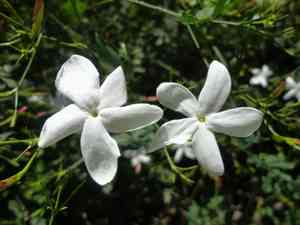
Spanish jasmine (Jasminum grandiflorum)
Also known as: Italian jasmine
Arabian jasmine, known scientifically as Jasminum sambac, is renowned for its strikingly fragrant flowers. This plant is often cultivated as an ornamental shrub in warm climates. Additionally, it is frequently grown on a commercial scale for its blossoms, which are highly valued in the production of perfumes and essential oils.
In This Article
Attributes of Spanish jasmine
Lifespan
Perennial
Plant Type
Shrub
Plant Height
2 m to 4 m
Spread
50 cm
Leaf Color
Green
Flower Size
4 cm
Flower Color
White
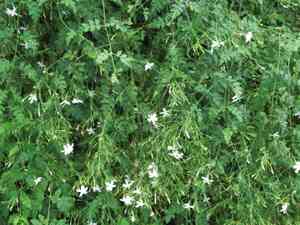
Images of Spanish jasmine
Quickly Identify Spanish jasmine
1
To identify Jasminum grandiflorum, look for a high-climbing shrub with slender, arching stems. The leaves are compound, consisting of 5-9 leaflets, typically glossy green. The flowers are white, five-petaled, and highly fragrant.
Scientific Classification of Spanish jasmine
Phylum
Vascular plants
Class
Dicotyledons
Order
Lamiales
Family
Olive
Genus
Jasmine
Species
Spanish jasmine
Planting and Growing of Spanish jasmine
Care Difficulty
Moderate
Watering Schedule
Every 3 days
Sunlight Requirements
Full sun
Sunshine Duration
6-12 hours
Ideal Temperature
60-75℉
Soil Type
Potting Mix, Peat Mix
Soil pH
6.5-7.5
Fertilizer Type
Balanced
Pruning Season
Spring, Summer
Pruning Area
Branches, Leaves
Pruning Frequency
Once a year
Repotting Season
Spring
Pot Type
Plastic, Ceramic
 How to Water Spanish jasmine?
For Jasminum grandiflorum, the watering amount should be about 250 ml per session. This amount should sufficiently moisten the soil without waterlogging it. Aim to ensure the top couple of inches of soil are moist to the touch but not saturated, allowing excess water to drain away.
What are the symptoms of an underwatered Spanish jasmine?
›
What should I do if my Spanish jasmine is not getting enough water?
›
What are the symptoms of an overwatered Spanish jasmine?
›
How to save an overwatered Spanish jasmine?
›
 What Are the Sunlight Requirements for Spanish jasmine?
Partial sun allows Jasminum grandiflorum to receive adequate light for photosynthesis, promoting healthy foliage and prolific flowering. Ensuring the plant gets enough light results in robust growth and disease resistance.
More About Sunlight Requirements Techniques→
What is the best time of day for light exposure?
›
How can I ensure my plant receives adequate light indoors?
›
What are the benefits of ideal lighting for this plant?
›
 What Is the Ideal Temperature Range for Spanish jasmine?
Jasminum grandiflorum thrives best in temperatures between 60°F and 75°F. This range replicates its native subtropical environment, promoting optimal growth and flowering. Consistent temperatures within this range provide the best conditions for photosynthesis, leading to healthier plant development.
 What Soil is Best for Spanish jasmine?
Jasminum grandiflorum thrives in well-draining soil because it ensures that excess water doesn't lead to root rot. A soil that allows for good drainage will keep the roots healthy and promote vigorous growth. This jasmine variety prefers soil that is rich in organic matter. Nutrient-rich soil supports the plant's flowering potential and overall vitality, making sure the leaves are lush and blooms are bountiful. While drainage is important, the soil should also retain some moisture to prevent the plant from drying out too quickly. This balance aids in sustaining plant hydration between waterings.
 How to Fertilize Spanish jasmine?
For Jasminum grandiflorum, the standard fertilizer amount involves using a balanced, all-purpose fertilizer diluted to half-strength. Apply liquid fertilizers at the rate of 1 tablespoon mixed with a gallon of water for each application. For slow-release fertilizers, scatter approximately 2 tablespoons around the base of the plant every four months, making sure not to cover the base or stems to avoid burning the plant.
 How to Prune Spanish jasmine?
Begin by identifying any dead or diseased branches on your Jasminum grandiflorum. Use clean, sharp pruning shears to cut just above a node or a healthy bud. Focus on removing any tangled or weak stems, especially those that are inward growing, to promote air circulation and light penetration. Keep the plant's natural shape in mind as you prune.
More About Pruning Techniques→
 How to Propagate Spanish jasmine plant?
1
Choose semi-hardwood cuttings, approximately 4-6 inches long, with healthy leaves. The ideal cuttings should not be flowering and must be mature yet flexible to ensure successful rooting.
2
Prepare a well-draining potting mix comprising peat and sand. This mix aids in aeration and drainage, providing a conducive environment for root growth without waterlogging the cuttings.
3
Dip the cut end into rooting hormone and plant it in the prepared potting mix. Ensure that at least two nodes are buried, as these nodes are where root development will occur.
 How to Repot Spanish jasmine plant?
1
Look for signs such as roots growing through the drainage holes, the plant being top-heavy, or slowed growth, indicating that it's time to repot Jasminum grandiflorum.
2
Select a pot that is 2-3 inches larger in diameter than the current one. The new pot should have adequate drainage holes. This size provides enough space for growth without encouraging waterlogging.
3
Opt for a well-draining soil mix, including components like perlite, peat, and loam. This mix ensures proper aeration and moisture retention, crucial for healthy root development.
Learn More About Spanish jasmine Diseases
Anthracnose
Bacterial Leaf Spot
Bacterial Soft Rot
Bacterial Wilt
Black Spot
Chemical Injury
Crown Gall
Damping-off
Drought Stress
Fusarium Wilt
Gray Mold
Leaf Curl
Leaf Spot
Mosaic
Nutrient Deficiency
Nutrient Toxicity
Powdery Mildew
Root Rot
Root-knot Nematode
Rusts
Sooty Mold
Spider Mites
Temperature Stress
Thrips Damage
White Mold



