
Candelabra cactus (Jasminocereus thouarsii)
Candelabra cactus is a slow-growing cactus endemic to the Galápagos Islands, notable for its tall, columnar shape that can reach up to 7 meters high. With age, it branches near the base, creating a candelabra-like appearance. Its white flowers bloom nocturnally and bear red, fleshy fruits which assist in species survival by enticing wildlife as pollinators and dispersers.
In This Article
Attributes of Candelabra cactus
Lifespan
Perennial
Plant Type
Succulent
Plant Height
Up to 7 meters
Spread
Varies, typically up to 1 meter
Leaf Color
None (cacti typically do not have leaves)
Flower Size
Up to 5 cm
Flower Color
White
Images of Candelabra cactus
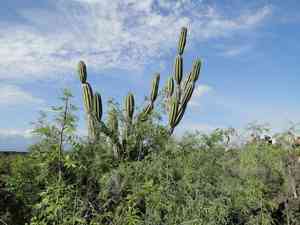
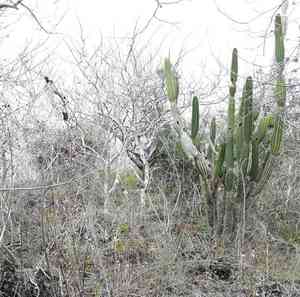
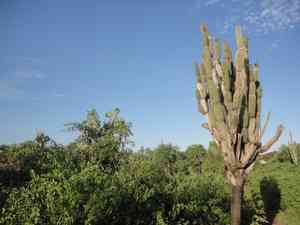
Quickly Identify Candelabra cactus
1
Look for tall, columnar cacti with smooth, grey-green skin and minimal spines. The flowers are white and bloom nocturnally.
Scientific Classification of Candelabra cactus
Phylum
Vascular plants
Class
Dicotyledons
Order
Caryophyllales
Family
Cactuses
Genus
Jasminocereus
Species
Candelabra cactus
Planting and Growing of Candelabra cactus
Care Difficulty
Easy
Watering Schedule
Every 2 days
Sunlight Requirements
Full sun
Sunshine Duration
4-10 hours
Ideal Temperature
65-85℉
Soil Type
Potting Mix, Peat Mix
Soil pH
6.5-7.5
Fertilizer Type
Balanced
Pruning Season
Spring, Summer
Pruning Area
Branches, Leaves
Pruning Frequency
2 times a year
Repotting Season
Spring
Pot Type
Plastic, Terracotta
 How to Water Candelabra cactus?
Jasminocereus thouarsii should be watered with approximately 150 milliliters each time, enough to moisten the soil without waterlogging it. The key is to allow the soil to slightly dry between waterings while ensuring it remains moderately moist.
What are the symptoms of an underwatered Candelabra cactus?
›
What should I do if my Candelabra cactus is not getting enough water?
›
What are the symptoms of an overwatered Candelabra cactus?
›
How to save an overwatered Candelabra cactus?
›
 What Are the Sunlight Requirements for Candelabra cactus?
This plant prefers full sun to partial sun, with significant benefits including enhanced photosynthesis, improved blooming, and a sturdy growth structure when ideal light conditions are maintained.
How much sun does Jasminocereus thouarsii need?
›
Can it thrive in shaded areas?
›
What should you do if full sun exposure is not possible?
›
 What Is the Ideal Temperature Range for Candelabra cactus?
The ideal temperature range for Jasminocereus thouarsii is between 65°F and 85°F. In this range, the plant is able to photosynthesize effectively, leading to robust growth and a healthy appearance. This temperature closely mimics its natural habitat conditions.
 What Soil is Best for Candelabra cactus?
Jasminocereus thouarsii thrives in well-drained soil to prevent root rot and other moisture-related diseases. Improved drainage can be achieved by mixing sand or gravel into the soil. This plant benefits from a substrate rich in organic matter, contributing to robust growth and vibrant appearance. Organic fertilizers further enhance soil fertility, boosting plant health. While the soil should drain well, it should also retain some moisture to keep the plant hydrated without waterlogging. Sandy loam is ideal for striking this balance.
 How to Fertilize Candelabra cactus?
For Jasminocereus thouarsii, it's essential to ensure the right amount of fertilizer is applied. Over-fertilization can harm the plant. Use a diluted liquid fertilizer—preferably half-strength of the manufacturer’s recommendation. For slow-release fertilizers, apply evenly in quantities based on the plant’s size. Typically, one tablespoon per pot size of 6 inches should suffice.
 How to Prune Candelabra cactus?
Begin by examining the plant for any dead, damaged, or diseased stems. Use sharp shears to remove these sections at their base, preventing the spread of any potential infection while encouraging new growth. Trim overgrown branches to maintain the desired size and shape of the plant, ensuring that the remaining branches have adequate space to receive sunlight and air circulation, which is crucial for healthy growth.
More About Pruning Techniques→
 How to Propagate Candelabra cactus plant?
1
To propagate from seeds, collect mature seeds from the plant. For cuttings, select a healthy stem and cut a segment of 4-6 inches in length. Allow cuttings to dry and callous over for a few days before planting.
2
Use a potting mix designed for succulents. For seeds, lightly scatter them over the soil and cover with a thin layer. For cuttings, make a hole to place the calloused end into and firm the soil around it.
3
After planting, water lightly to moisten the soil without oversaturating. Place the pots in a warm, bright location avoiding direct sunlight. Consistent, moderate moisture is key during germination or rooting.
 How to Repot Candelabra cactus plant?
1
You should consider repotting Jasminocereus thouarsii when its roots begin to outgrow the current pot or it appears root-bound. Another sign is when the soil no longer drains effectively. Typically, repotting is best done during active growth in the spring or early summer to minimize stress on the plant.
2
Select a pot that's one size larger than the current one with good drainage holes. Choosing a pot with better drainage helps avoid waterlogging, which is crucial for a cactus like Jasminocereus thouarsii. A terracotta pot can be an excellent choice because it allows soil to dry more thoroughly between waterings.
3
Opt for a cactus-specific potting mix that provides excellent drainage and aeration. This type of soil minimizes the risk of root rot by ensuring excess water drains away quickly. Adding perlite or pumice can enhance drainage further, creating an ideal environment for your plant.



