
Midnightblue clustervine (Jacquemontia agrestis)
Also known as: Blue Jacquemontia, Skyblue Cluster-vine
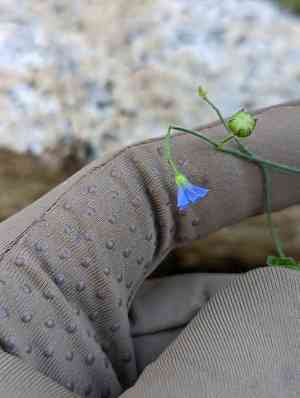
Midnightblue clustervine, known for its twining growth habit, thrives by wrapping around nearby structures or plants. Its leaves are typically heart-shaped with pointed ends, designed to facilitate effective water drainage. The plant's striking blue to violet, funnel-shaped flowers attract pollinators, making it a vibrant addition to tropical landscapes.
In This Article
Attributes of Midnightblue clustervine
Lifespan
Perennial
Plant Type
Vine, Herb
Plant Height
Up to 3 meters (10 feet)
Spread
N/A (Twining vine)
Leaf Color
Green
Flower Size
Approximately 1-1.5 centimeters
Flower Color
Bright blue to purple
Images of Midnightblue clustervine

Quickly Identify Midnightblue clustervine
1
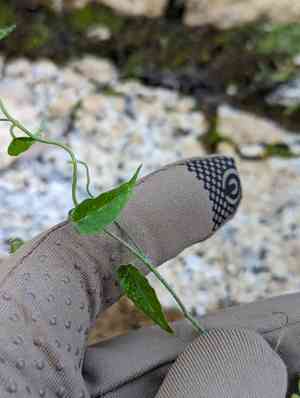
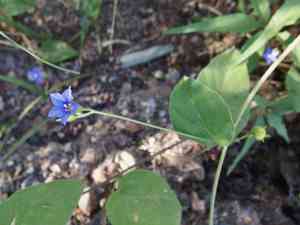
Identify Jacquemontia agrestis by its small, bright blue to purple, funnel-shaped flowers, and its twining growth habit. Leaves are simple, alternate, and typically heart-shaped or ovate with distinct veining.
Scientific Classification of Midnightblue clustervine
Phylum
Vascular plants
Class
Dicotyledons
Order
Solanales
Family
Morning-glory
Genus
Clustervines
Species
Midnightblue clustervine
Planting and Growing of Midnightblue clustervine
Care Difficulty
Easy
Watering Schedule
Every 6 days
Sunlight Requirements
Full sun
Sunshine Duration
6-10 hours
Ideal Temperature
68-77℉
Soil Type
Potting Mix, Peat Mix
Soil pH
6.5-7.5
Fertilizer Type
Balanced
Pruning Season
Spring, Summer
Pruning Area
Branches, Leaves
Pruning Frequency
2 times a year
Repotting Season
Spring
Pot Type
Plastic, Terracotta
 How to Water Midnightblue clustervine?
For Jacquemontia agrestis, aim to water until the top inch of soil is consistently moist but not waterlogged. This usually equates to about 250 ml per watering session. The key is to ensure water reaches the roots without drowning them.
What are the symptoms of an underwatered Midnightblue clustervine?
›
What should I do if my Midnightblue clustervine is not getting enough water?
›
What are the symptoms of an overwatered Midnightblue clustervine?
›
How to save an overwatered Midnightblue clustervine?
›
 What Are the Sunlight Requirements for Midnightblue clustervine?
Jacquemontia agrestis prospers in partial to full sunlight, ideally getting around six to eight hours of exposure. Such lighting fosters strong growth, abundant flowering, and overall plant vigor while preventing stress symptoms associated with inadequate sunlight.
How much sunlight does Jacquemontia agrestis need?
›
What should you do if there is limited sunlight?
›
What benefits can ideal sunlight provide?
›
 What Is the Ideal Temperature Range for Midnightblue clustervine?
The ideal temperature range for Jacquemontia agrestis is between 68°F and 77°F. This range allows the plant to maintain optimal metabolic processes, promoting healthy growth and vibrant blooming. Ensuring consistent temperatures within this range enhances photosynthesis and nutrient absorption, key to the plant’s well-being.
 What Soil is Best for Midnightblue clustervine?
Jacquemontia agrestis thrives in well-drained soil that prevents waterlogging, ensuring healthy root growth and overall plant vitality. A substrate rich in organic matter is ideal, providing essential nutrients that support robust growth and vibrant flowering. While this plant enjoys moderate moisture levels, it is important to avoid excessive wetness as it can lead to root issues.
 How to Fertilize Midnightblue clustervine?
For Jacquemontia agrestis, use a balanced liquid fertilizer at a dilution of 1:2 with water. Apply approximately 200 ml around the root zone to ensure essential nutrient absorption without overwhelming the plant.
 How to Prune Midnightblue clustervine?
Look for any dead, diseased, or damaged branches. Focus on the ones that appear weak or cross over other branches, as these can hinder the plant's growth and shape. Start by removing any problematic branches. Make your cuts just above a node or where the branch joins another. This encourages healthy new growth. Avoid cutting more than one-third of the plant's total size in a single session to prevent shock. To promote fuller growth, pinch back the tips of new shoots. This helps the plant develop multiple branches and increases its overall foliage density, enhancing its aesthetic appeal. Once pruning is complete, water the plant thoroughly and provide it with a balanced fertilizer. This replenishes the nutrients and supports recovery. Observe the plant for any signs of stress or disease over the following weeks.
More About Pruning Techniques→
 How to Propagate Midnightblue clustervine plant?
1
A well-draining soil mix is crucial for the seeds or cuttings. Combine equal parts of peat moss, perlite, and potting soil to create an ideal environment. This mix retains moisture while ensuring good drainage.
2
Sow the seeds shallowly, around 1/4 inch deep, in the prepared seed tray. Space them adequately to avoid overcrowding. Cover lightly with soil and water gently to avoid displacing them.
3
Select healthy stems and cut sections about 4-6 inches long. Remove the lower leaves and dip the cut end in rooting hormone. Plant the cuttings in a moist, well-draining soil mix and firm gently.
 How to Repot Midnightblue clustervine plant?
1
Repot Jacquemontia agrestis when you notice the roots creeping through the drainage holes or when the plant looks too big for its container. These are clear indicators that your plant needs more space to thrive.
2
Select a pot that is just one size larger than the current one, with sufficient drainage holes. A pot that is too large can lead to water retention issues, while a pot that's too small will restrict root growth.
3
Opt for a well-draining potting mix, ideally one composed of peat moss, perlite, and a touch of sand. This combination provides excellent drainage and aeration, crucial for preventing root rot and ensuring healthy plant growth.



