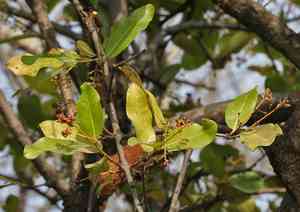
West indian jasmine (Ixora) (Ixora)
Also known as: Jungle geranium
West Indian jasmine, or Ixora, encompasses a variety of evergreen shrubs and small trees, predominantly found in tropical regions. Known for their vibrant and fragrant flower clusters, these plants are a favorite choice for ornamental use in warm-climate gardens and parks. Additionally, some species are cultivated as bonsai. In South and Central Asian cultures, Ixora flowers play a significant role in religious rituals and ceremonies.
In This Article
Attributes of West indian jasmine (Ixora)
Lifespan
Perennial
Plant Height
2 m
Spread
2 m
Leaf Color
Dark green
Flower Size
2 to 5 centimeters
Flower Color
Red, pink, yellow, orange
Images of West indian jasmine (Ixora)
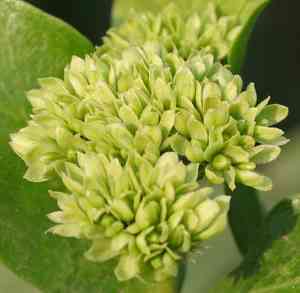
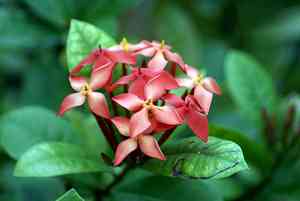
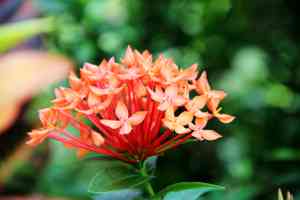
Quickly Identify West indian jasmine (Ixora)
1
Ixora plants can be identified by their dense clusters of small, tubular flowers, which can be red, pink, yellow, or orange. The leaves are leathery, glossy, and opposite.
Scientific Classification of West indian jasmine (Ixora)
Phylum
Magnoliophyta
Class
Magnoliopsida
Order
Gentianales
Family
Rubiaceae
Genus
Ixora
Planting and Growing of West indian jasmine (Ixora)
Care Difficulty
Moderate
Watering Schedule
Every 4 days
Sunlight Requirements
Partial sun
Sunshine Duration
4-8 hours
Ideal Temperature
65-75℉
Soil Type
Potting Mix, Peat Mix
Soil pH
5.5-7.5
Fertilizer Type
Balanced
Pruning Season
Spring, Summer
Pruning Area
Branches, Leaves
Pruning Frequency
2 times a year
Repotting Season
Spring
Pot Type
Plastic, Ceramic
 How to Water West indian jasmine (Ixora)?
Water your Ixora until the soil feels evenly moist but not soggy. Aim to thoroughly drench the soil, allowing excess water to drain out from the bottom. This ensures all roots receive adequate hydration without sitting in water.
What are the symptoms of an underwatered West indian jasmine (Ixora)?
›
What should I do if my West indian jasmine (Ixora) is not getting enough water?
›
What are the symptoms of an overwatered West indian jasmine (Ixora)?
›
How to save an overwatered West indian jasmine (Ixora)?
›
 What Are the Sunlight Requirements for West indian jasmine (Ixora)?
Ixora thrives in partial to full sunlight, ideally 4-8 hours daily. This condition enhances its flowering and foliage development, supporting robust growth and vibrant flowers.
How to Achieve Ideal Lighting for Ixora?
›
Specific Measures for Optimal Lighting
›
Benefits of Ideal Lighting
›
 What Is the Ideal Temperature Range for West indian jasmine (Ixora)?
Ixora thrives in a warm environment with an ideal temperature range between 65°F and 75°F. This range ensures optimal growth and vibrant blooms. The plant's metabolism, photosynthesis, and nutrient absorption work best within these temperatures. Maintaining this temperature range helps prevent stress and promotes a robust plant structure. It is important to monitor and adjust the environmental conditions to keep the plant healthy and flourishing.
 What Soil is Best for West indian jasmine (Ixora)?
Ixora requires well-draining soil to prevent waterlogging which can lead to root rot. The roots need oxygen to thrive, and well-draining loam or sandy loam ensures that water doesn't pool around the roots, promoting healthy growth. This plant thrives best in nutrient-rich soils, providing essential minerals needed for vibrant foliage and flowering. Incorporating organic matter like compost can greatly enhance the soil's nutrient profile, fostering robust plant health. Maintaining moderate soil moisture is key for Ixora. The soil should neither be too dry nor too wet, allowing the plant to absorb necessary nutrients efficiently while preventing stress conditions that could stunt growth.
 How to Fertilize West indian jasmine (Ixora)?
The Ixora plant benefits from a balanced fertilization ratio of 10-10-10 NPK for general growth, with a concentration of 1/4 strength for liquid fertilizers to avoid root burn. This ensures the plant receives a steady supply of nutrients necessary for vibrant blooms.
 How to Prune West indian jasmine (Ixora)?
Begin by identifying and removing dead, diseased, or damaged stems. Start from the base, cutting at a 45-degree angle just above a node or bud. This promotes new growth in the desired direction and helps the plant reconstruct its form. Shape your Ixora for aesthetic appeal and structure. Focus on promoting a symmetrical form. Trim back longer stems to maintain a bushy appearance, encouraging dense foliage and abundant blooms. Regular shaping improves air circulation and sunlight penetration.
 How to Propagate West indian jasmine (Ixora) plant?
1
Select healthy stems from a mature Ixora plant. Cut about 4-6 inches of stem just below a leaf node using sharp pruning shears. Ensure you make a clean cut to minimize damage.
2
Strip the leaves from the bottom half of the cutting to prevent decay. Optionally, dip the cut end in rooting hormone to stimulate root growth and improve success rates.
3
Prepare a pot with well-draining potting mix. Insert the cuttings into the soil, ensuring the nodes are covered. Water lightly to settle the soil around the cuttings.
 How to Repot West indian jasmine (Ixora) plant?
1
Ixora requires repotting when you notice stunted growth, roots protruding from drainage holes, or water draining too quickly. These are clear indications that the plant has outgrown its current pot and needs more space to thrive. Optimal repotting signals include a pot-bound appearance, particularly in spring or early summer when growth is more robust.
2
Select a pot that is 1-2 inches larger in diameter than the current one. It should have adequate drainage holes to prevent waterlogging, which Ixora doesn't tolerate well. Opting for the proper pot size ensures that roots have enough space to grow without risk of root rot, promoting healthier plant development.
3
Pick a soil mix that's both well-draining and slightly acidic. A blend of peat, perlite, and sand enhances drainage and mimics the plant's natural environment. This type of soil will aid in maintaining optimal moisture levels while preventing the roots from becoming water-logged.
Learn More About West indian jasmine (Ixora) Diseases
Anthracnose
Bacterial Leaf Spot
Bacterial Soft Rot
Chemical Injury
Crown Gall
Damping-off
Downy Mildew
Drought Stress
Fusarium Wilt
Gray Mold
Leaf Spot
Mosaic
Nutrient Deficiency
Nutrient Toxicity
Powdery Mildew
Root Rot
Root-knot Nematode
Sooty Mold
Spider Mites
Temperature Stress
Thrips Damage
White Mold

