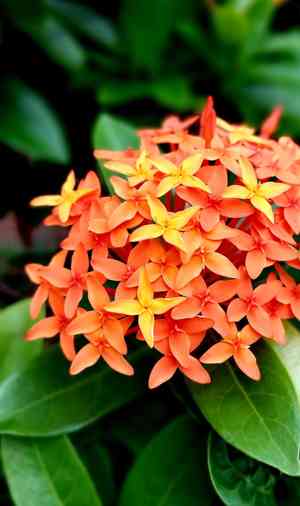
Chinese ixora (Ixora chinensis)
Also known as: Chinese Ixora, Jungle Geranium, East Indian Jasmine
**Ixora chinensis**, commonly known as Chinese Ixora, is a tropical evergreen shrub originating from China. It's celebrated for its nearly year-round bright flower clusters and red berries, making it a favored choice for ornamental gardening.
In This Article
Attributes of Chinese ixora
Lifespan
Perennial
Plant Type
Shrub
Plant Height
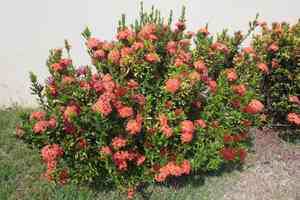
3 m to 4.5 m
Spread
1 to 1.5 meters
Leaf Color
Green
Flower Size
2.5 cm to 3 cm
Flower Color
Orange Red
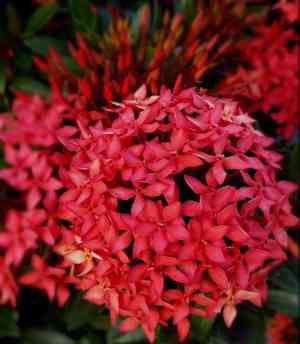
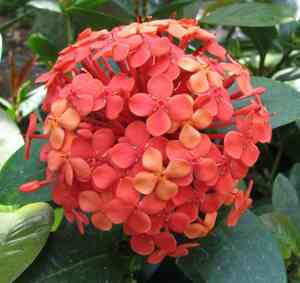
Images of Chinese ixora
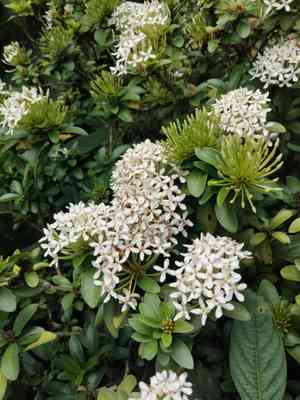
Quickly Identify Chinese ixora
1
Ixora chinensis can be identified by its glossy, leathery green leaves and clusters of tubular flowers that form a dense, rounded inflorescence. The leaves are typically arranged in opposite pairs, and the stems are woody.
Scientific Classification of Chinese ixora
Phylum
Vascular plants
Class
Dicotyledons
Order
Gentians, dogbanes, madders, and allies
Family
Madder
Genus
West indian jasmine
Species
Chinese ixora
Planting and Growing of Chinese ixora
Care Difficulty
Easy
Watering Schedule
Every 8 days
Sunlight Requirements
Partial sun
Sunshine Duration
4-8 hours
Ideal Temperature
65-80℉
Soil Type
Potting Mix, Peat Mix
Soil pH
5.5-6.5
Fertilizer Type
Balanced
Pruning Season
Spring, Summer
Pruning Area
Branches, Leaves
Pruning Frequency
2 times a year
Repotting Season
Spring
Pot Type
Plastic, Terracotta
 How to Water Chinese ixora?
Ixora chinensis, commonly known as Chinese ixora, thrives on consistent yet moderate watering. Aim to provide approximately 300 milliliters of water per session, ensuring the soil is evenly moist but not waterlogged. The key is to strike a balance where the top layer remains damp yet allows air circulation to prevent root rot.
More About Watering Techniques→
What are the symptoms of an underwatered Chinese ixora?
›
What should I do if my Chinese ixora is not getting enough water?
›
What are the symptoms of an overwatered Chinese ixora?
›
How to save an overwatered Chinese ixora?
›
 What Are the Sunlight Requirements for Chinese ixora?
Ixora chinensis ideally flourishes under partial to full sun, preferably receiving morning sun with some afternoon shade. This light range ensures optimal growth, helping the plant produce its characteristic dense clusters of vibrant flowers while maintaining healthy foliage.
More About Sunlight Requirements Techniques→
How much light does Ixora chinensis need?
›
What is the solution for ideal lighting?
›
What are the benefits of ideal lighting?
›
 What Is the Ideal Temperature Range for Chinese ixora?
For optimal growth, Ixora chinensis thrives best within a temperature range of 65°F to 80°F. These ambient conditions mimic its native tropical environment, providing sufficient warmth to support active growth processes such as photosynthesis and respiration. Maintaining this range ensures vibrant foliage and plentiful blooming.
 What Soil is Best for Chinese ixora?
Ixora chinensis thrives in well-drained soil which prevents waterlogging, reducing the risk of root rot and promoting healthy root development. Rich in organic matter, the soil should provide Ixora with essential nutrients, supporting vibrant blooms and vigorous growth. Preferring slightly acidic soil, Ixora benefits from such conditions as it enhances nutrient availability and reduces pest issues.
More About Soil→
 How to Fertilize Chinese ixora?
For Ixora chinensis, a balanced fertilizer with a formulation like 10-10-10 or 20-20-20 can be used. For liquid fertilizers, use about half the recommended strength per application to avoid over-fertilization.
More About Fertilizing Techniques→
 How to Prune Chinese ixora?
Begin by removing any dead or diseased branches. Use clean, sharp pruning shears and cut at a 45-degree angle to prevent water from pooling on the cut surfaces. Trim back new growth to maintain the shape and desired size of the plant. Ideally, prune in early spring to stimulate new growth, and after flowering in summer to shape the plant. For a bushy appearance, cut back branches to just above a node, as this will encourage the plant to produce new growth. For shaping, start pruning from the outer edges, working your way in. Thinning out congested areas helps in improving air circulation, reducing the risk of fungal diseases.
More About Pruning Techniques→
 How to Propagate Chinese ixora plant?
1
Choose mature and healthy stems with at least two to three leaves. Avoid stems that appear diseased or weakened, as they may not root successfully.
2
Cut the selected stem just below a node using clean, sharp pruning shears. Remove any leaves from the lower half of the cutting to reduce moisture loss.
3
Dip the cut end of the cutting in rooting hormone, then plant it in a pot filled with a well-draining substrate. Ensure the cuttings are evenly spaced and watered thoroughly.
 How to Repot Chinese ixora plant?
1
Ixora chinensis should be repotted when you notice roots circling the bottom of the pot or emerging from the drainage holes. Another indicator is when the soil no longer retains moisture and dries out quickly. Spring or early summer are ideal times as the plant is in a growth phase, which enables it to recover more swiftly from the stress of repotting.
2
Select a pot that is one size larger than the current one to give roots room to grow. Ensure it has adequate drainage holes, which will prevent root rot by allowing excess water to escape. A clay or terracotta pot can be beneficial as it permits air exchange and aids in moisture regulation.
3
Opt for a well-draining potting mix that retains some moisture but doesn't become waterlogged. A combination of peat, perlite, and coarse sand is ideal. The balanced moisture retention in this mix supports healthy root development and minimizes the risk of fungal diseases.



