
Spotted african corn lily (Ixia maculata)
Also known as: Spotted kalossie
The Spotted African Corn Lily, known for its vibrant star-shaped, bright orange flowers that bloom in clusters during spring, is a cherished ornamental plant. This flowering bulb, native to Africa, thrives in a variety of settings such as borders, containers, greenhouses, and rock gardens, adding a splash of color wherever it is planted.
In This Article
Attributes of Spotted african corn lily
Lifespan
Perennial
Plant Type
Herb
Plant Height
20 cm to 70 cm
Spread
10 cm
Leaf Color
Green
Flower Size
1-2 inches
Flower Color
White Yellow Pink Purple Brown Orange
Images of Spotted african corn lily
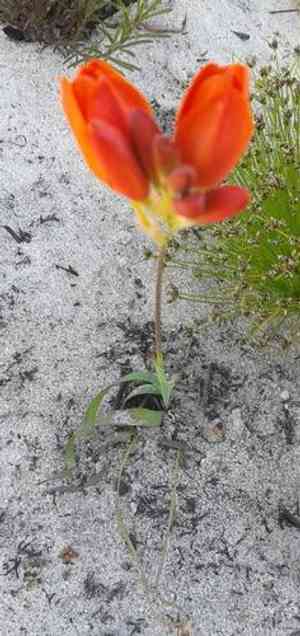
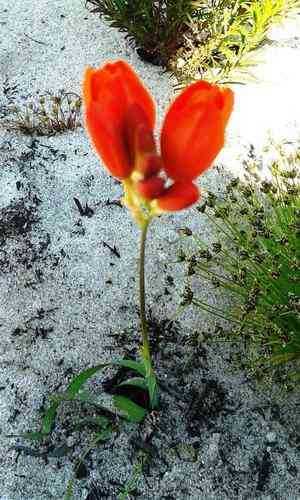
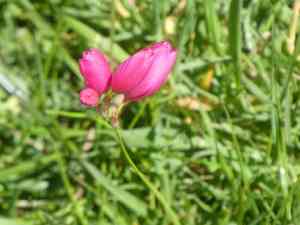

Quickly Identify Spotted african corn lily
1
Ixia maculata can be identified by its narrow, grass-like leaves and tall, slender stems that produce dense spikes of star-shaped flowers. These flowers are typically brightly colored with a contrasting dark center. The plant prefers sunny locations and well-drained soil.
Scientific Classification of Spotted african corn lily
Phylum
Vascular plants
Class
Monocotyledons
Order
Asparagales
Family
Iris
Genus
Corn lily
Species
Spotted african corn lily
Planting and Growing of Spotted african corn lily
Care Difficulty
Easy
Watering Schedule
Every 4 days
Sunlight Requirements
Full sun
Sunshine Duration
4-6 hours
Ideal Temperature
60-75℉
Soil Type
Potting Mix, Peat Mix
Soil pH
6.5-7.5
Fertilizer Type
Balanced
Pruning Season
Spring, Summer
Pruning Area
Branches, Leaves
Pruning Frequency
2 times a year
Repotting Season
Spring
Pot Type
Ceramic, Plastic
 How to Water Spotted african corn lily?
For Ixia maculata, ensure that the soil remains slightly moist but never soggy. Water it thoroughly until about 250 ml of water is applied each time, ensuring excess water drains out from the pot. This helps to mimic their natural environment and prevents root rot.
What are the symptoms of an underwatered Spotted african corn lily?
›
What should I do if my Spotted african corn lily is not getting enough water?
›
What are the symptoms of an overwatered Spotted african corn lily?
›
How to save an overwatered Spotted african corn lily?
›
 What Are the Sunlight Requirements for Spotted african corn lily?
Ixia maculata benefits from full sun or partial sun exposure, fostering robust blooming and healthy growth dynamics.
More About Sunlight Requirements Techniques→
How much sunlight does Ixia maculata need?
›
What are the solutions for achieving ideal light?
›
What are the benefits of ideal lighting for this plant?
›
 What Is the Ideal Temperature Range for Spotted african corn lily?
The ideal temperature range for growing Ixia maculata is between 60°F and 75°F. These temperatures mimic the plant's natural habitat, providing optimal conditions for growth and flowering. Maintaining temperatures within this range will ensure that the plant remains healthy and vibrant.
 What Soil is Best for Spotted african corn lily?
Ixia maculata thrives in well-draining soil that prevents waterlogging. This is crucial as well-drained soil ensures the roots receive adequate oxygen, reducing the risk of root rot and promoting healthy plant growth. The plant favors sandy soils which mimic its natural habitat, ensuring easy root expansion and nutrient uptake. A sandy texture also helps maintain the ideal balance of moisture, preventing excessive retention that could harm the plant. A pH range of 6.5 to 7.5 is ideal for Ixia maculata, as it allows the optimal availability of essential nutrients. Soil within this pH range supports robust plant tissue development and vibrant flowering.
 How to Fertilize Spotted african corn lily?
For Ixia maculata, you should apply liquid fertilizer at a diluted strength to ensure it doesn't overwhelm the roots. Typically, 1/2 teaspoon per gallon of water is sufficient for liquid fertilizer. For granular or slow-release fertilizers, a light sprinkling around the base of the plant is adequate.
 How to Prune Spotted african corn lily?
Begin pruning Ixia maculata by acquiring a sharp, clean pair of pruning shears to prevent damage and infection. Identify and trim away any spent flower stalks down to the base. This encourages the plant to produce new blooms. Carefully inspect the plant for any dead or damaged foliage and remove these sections to allow more sunlight and air circulation. Finally, shape the plant by lightly trimming overgrown areas to maintain a neat appearance.
More About Pruning Techniques→
 How to Propagate Spotted african corn lily plant?
1
Fill seed trays with well-draining potting mix suitable for Ixia maculata. Lightly moisten the soil to create favorable conditions for seed germination.
2
Scatter Ixia maculata seeds evenly over the potting mix in seed trays. Cover them with a thin layer of soil, as they require light to germinate. Maintain consistent moisture levels to encourage germination.
3
In early spring, dig up established Ixia plants and gently separate bulb clumps. Replant these divided sections immediately to promote new growth and expansion of your planting.
 How to Repot Spotted african corn lily plant?
1
Repotting should be done when the plant shows signs of being root-bound, such as roots growing out of the drainage holes or reduced flower production. Early spring after flowering is the ideal time, allowing for recovery and growth during the warm months.
2
Select a pot that is one size larger than the current one, with ample drainage holes. A ceramic or terracotta pot is ideal as it helps prevent waterlogging, promoting healthy root aeration by allowing excess moisture to evaporate.
3
Opt for a well-draining sandy loam mix, enriched with organic matter. This provides optimal drainage and nutrition, preventing root rot while supporting vigorous growth and vibrant flowering in Ixia maculata.
Learn More About Spotted african corn lily Diseases
Anthracnose
Bacterial Leaf Spot
Bacterial Soft Rot
Bacterial Wilt
Black Spot
Chemical Injury
Crown Gall
Cyst Nematode
Damping-off
Downy Mildew
Drought Stress
Fusarium Wilt
Gray Mold
Leaf Spot
Mosaic
Nutrient Deficiency
Nutrient Toxicity
Powdery Mildew
Root Rot
Root-knot Nematode
Rusts
Sooty Mold
Spider Mites
Temperature Stress
Thrips Damage
White Mold



