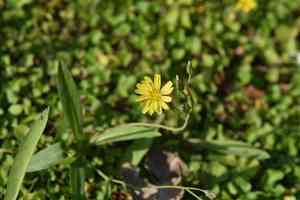
Ixeris (Ixeris) (Ixeris)
Also known as: Rattlesnake Root, Chicory
Ixeris is a genus of flowering plants found in Asia that belongs to the dandelion family.
In This Article
Attributes of Ixeris (Ixeris)
Lifespan
Perennial
Plant Height
10-30 cm
Spread
Varies
Leaf Color
Green
Flower Size
1-3 cm
Flower Color
Yellow
Images of Ixeris (Ixeris)
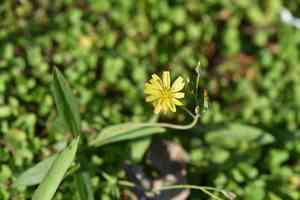
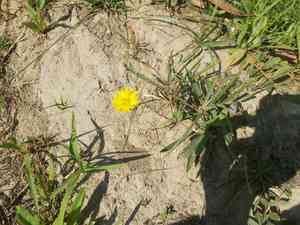
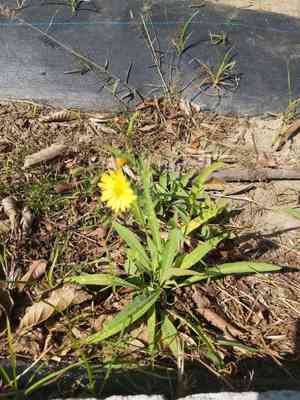
Quickly Identify Ixeris (Ixeris)
1
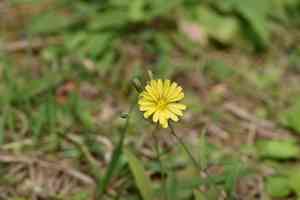
Ixeris can be identified by their bright yellow composite flowers and lobed leaves. The plants typically resemble dandelions and have a similar growth habit.
Scientific Classification of Ixeris (Ixeris)
Phylum
Angiosperms
Class
Magnoliopsida
Order
Asterales
Family
Asteraceae
Genus
Ixeris
Planting and Growing of Ixeris (Ixeris)
Care Difficulty
Moderate
Watering Schedule
Every 4 days
Sunlight Requirements
Partial sun
Sunshine Duration
4-8 hours
Ideal Temperature
59-77℉
Soil Type
Potting Mix, Peat Mix
Soil pH
6-7.5
Fertilizer Type
Balanced
Pruning Season
Spring, Summer
Pruning Area
Branches, Leaves
Pruning Frequency
2 times a year
Repotting Season
Spring
Pot Type
Plastic, Ceramic
 How to Water Ixeris (Ixeris)?
Ixeris plants thrive with moderate watering. The ideal amount is approximately 250 ml per session, enough to moisten but not flood the soil. Ensure water reaches about 2 inches deep to vitalize roots without water-logging.
What are the symptoms of an underwatered Ixeris (Ixeris)?
›
What should I do if my Ixeris (Ixeris) is not getting enough water?
›
What are the symptoms of an overwatered Ixeris (Ixeris)?
›
How to save an overwatered Ixeris (Ixeris)?
›
 What Are the Sunlight Requirements for Ixeris (Ixeris)?
Ixeris prefers partial sunlight, which ideally means receiving filtered sunlight or placed in a location with morning sun and afternoon shade. This lighting helps sustain its healthy growth and flowering cycles.
What is the ideal amount of sunlight for Ixeris?
›
How can you achieve ideal lighting for Ixeris indoors?
›
What are the benefits of ideal lighting conditions for Ixeris?
›
 What Is the Ideal Temperature Range for Ixeris (Ixeris)?
The ideal temperature range for cultivating Ixeris is between 59°F and 77°F. This range provides the necessary warmth for optimal growth while ensuring that the plant does not experience heat stress or cold damage. Consistent temperatures within this range will enable robust development and healthy foliage.
 What Soil is Best for Ixeris (Ixeris)?
Ixeris thrives in well-drained soils that prevent waterlogging which can cause root rot. Ensuring proper drainage is critical as it allows roots to access oxygen, enhancing growth and plant health. Loamy soil with high organic content supplies necessary nutrients for Ixeris, promoting robust growth and vibrant flowers. Incorporating compost can enrich the soil, providing a steady nutrient supply. While Ixeris prefers moist soil, it is crucial to avoid overly wet conditions. Consistent moisture levels support metabolic processes and nutrient uptake, crucial for optimal plant development.
 How to Fertilize Ixeris (Ixeris)?
For Ixeris, it's important to ensure a balanced approach to fertilization. Generally, using a liquid fertilizer, apply approximately 10 ml per liter of water. Make sure the concentration is not too strong as it could harm the plant’s roots. For solid fertilizers, a slow-release type is recommended with a coverage of roughly 20 grams per plant yearly.
 How to Prune Ixeris (Ixeris)?
Begin by observing the overall structure of the Ixeris plant to identify any dead or unhealthy branches that need removal. This assessment will guide your pruning cuts and help in shaping the plant effectively. Cut away any dead, damaged, or diseased growth using clean, sharp gardening shears. Make cuts just above a leaf node or bud to encourage new, healthy growth in those areas. Focus on shaping the Ixeris by pruning branches that disrupt its natural, bushy appearance. Maintain an even shape by cutting back longer branches, encouraging a tidier and more aesthetically pleasing look.
 How to Propagate Ixeris (Ixeris) plant?
1
To propagate Ixeris by seeds, prepare your seed starting trays with a well-draining soil mix. Spread the seeds evenly and cover them lightly with soil. Keep the tray in a warm and sunny location, watering gently to maintain moisture.
2
Select healthy stems for cuttings in early spring when the plant shows active growth. Cuttings should be about 4-6 inches long with a few leaf nodes. Dip the cut end in rooting hormone before placing it in moist soil.
3
For division propagation, choose a mature Ixeris clump and carefully dig it out. Divide the root ball into multiple sections, ensuring each has both roots and stems. Replant the divisions in prepared soil, spacing them well.
 How to Repot Ixeris (Ixeris) plant?
1
Ixeris typically shows signs for repotting when its roots begin to circle the pot or grow through the drainage holes. Another signal is when water runs straight through the pot, indicating root-bound conditions. The ideal time is during the early growth phase in spring or before dormancy in autumn.
2
Select a pot that is one size larger than the current one, with good drainage holes. This ensures improved aeration and space for root growth, reducing the risk of waterlogging which can lead to root rot. The pot material, whether clay or plastic, should suit your climate needs; clay offers more breathability, while plastic helps retain moisture.
3
Opt for a well-draining loamy soil mixed with organic matter to maintain moisture while providing excellent drainage. The right soil mix prevents compaction and supports healthy root development, ensuring the plant receives sufficient nutrients without retaining excess moisture, which can lead to root rot.
Learn More About Ixeris (Ixeris) Diseases
Anthracnose
Bacterial Leaf Spot
Bacterial Soft Rot
Bacterial Wilt
Chemical Injury
Damping-off
Downy Mildew
Drought Stress
Fusarium Wilt
Gray Mold
Leaf Spot
Mosaic
Nutrient Deficiency
Nutrient Toxicity
Powdery Mildew
Root Rot
Root-knot Nematode
Rusts
Sooty Mold
Spider Mites
Temperature Stress
Thrips Damage
White Mold

