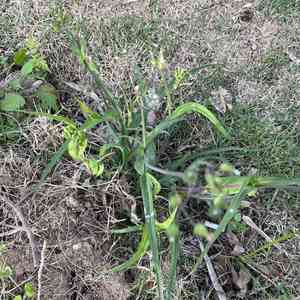
Ixeris polycephala (Ixeris polycephala)
Also known as: None
Ixeris polycephala is a perennial herb known for its base rosette of narrow, elongated leaves. It produces slender stems topped with bright yellow composite flowers, made up of numerous small florets, usually blooming in the spring. This versatile plant flourishes in meadows and open woodlands, preferring plenty of sunlight and well-drained soil, which help ensure its healthy growth and vibrant flowers.
In This Article
Attributes of Ixeris polycephala
Lifespan
Annual
Plant Type
Herb
Plant Height
80 cm
Spread
Not applicable
Leaf Color
Green
Flower Size
2 mm to 3 mm
Flower Color
Yellow
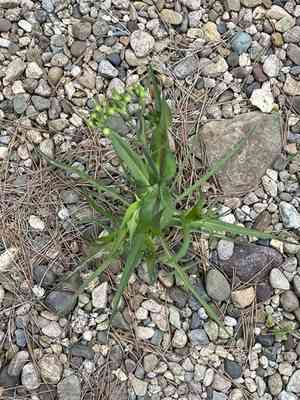
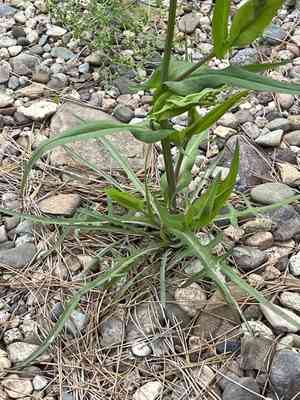
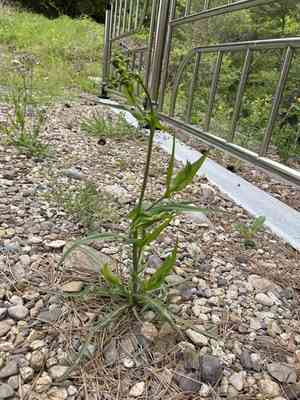
Images of Ixeris polycephala
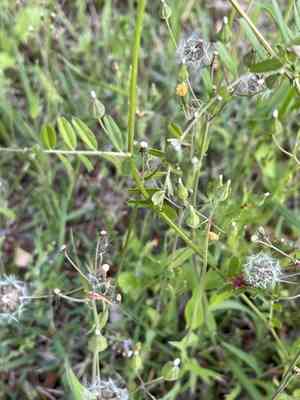
Quickly Identify Ixeris polycephala
1
The plant can be identified by its basal leaves which are oblong to lanceolate, and its multiple yellow flower heads arranged in clusters.
Scientific Classification of Ixeris polycephala
Phylum
Vascular plants
Class
Dicotyledons
Order
Asters bellflowers fanflowers and allies
Family
Daisy
Genus
Ixeris
Species
Ixeris polycephala
Planting and Growing of Ixeris polycephala
Care Difficulty
Easy
Watering Schedule
Every 6 days
Sunlight Requirements
Partial sun
Sunshine Duration
4-8 hours
Ideal Temperature
60-77℉
Soil Type
Potting Mix, Peat Mix
Soil pH
6.5-7.5
Fertilizer Type
Balanced
Pruning Season
Spring, Summer
Pruning Area
Branches, Leaves
Pruning Frequency
2 times a year
Repotting Season
Spring
Pot Type
Plastic, Ceramic
 How to Water Ixeris polycephala?
For Ixeris polycephala, it's crucial to provide around 200 ml of water per session. This amount ensures that the soil is adequately moist but not waterlogged, promoting healthy root growth and optimal plant vitality. Water should be applied evenly until it is seen slightly draining from the bottom.
What are the symptoms of an underwatered Ixeris polycephala?
›
What should I do if my Ixeris polycephala is not getting enough water?
›
What are the symptoms of an overwatered Ixeris polycephala?
›
How to save an overwatered Ixeris polycephala?
›
 What Are the Sunlight Requirements for Ixeris polycephala?
Ixeris polycephala benefits from partial to full sun exposure, ideally receiving 4 to 6 hours of sunlight. Proper lighting fosters optimal photosynthesis, encouraging growth and resilience, and enhances its ornamental appeal through lush foliage and vibrant blooms.
What is the ideal sunlight for Ixeris polycephala?
›
How can you achieve the ideal lighting?
›
What are the benefits of ideal lighting for this plant?
›
 What Is the Ideal Temperature Range for Ixeris polycephala?
The ideal temperature range for Ixeris polycephala is crucial for its growth and development. Ideally, maintaining the environment between 60°F and 77°F ensures that the plant has optimal conditions for photosynthesis and nutrient absorption. At this range, the plant's metabolic processes function efficiently, promoting healthy foliage and robust growth.
 What Soil is Best for Ixeris polycephala?
Ixeris polycephala thrives best in well-drained soil. This allows for optimal root growth and prevents waterlogging, which can lead to root rot. It ensures that the plant receives adequate nutrients and oxygen, vital for its overall health and vibrant appearance. A nutrient-rich soil enhances the growth of Ixeris polycephala by supplying essential minerals. This not only supports robust stem development but also promotes vibrant foliage, contributing to the plant's ornamental appeal and resilience against diseases. Ixeris polycephala requires soil that can retain moderate moisture. This balance prevents both drought stress and overwatering, fostering steady growth and a lush, healthy appearance without the risk of wilting or root decay.
 How to Fertilize Ixeris polycephala?
Ixeris polycephala benefits from moderate amounts of fertilizer. When using liquid fertilizer, ensure that you mix 1/4 of the recommended dose to avoid overfeeding. For slow-release fertilizer, a general recommended amount is 30 grams per square meter applied evenly over the soil.
 How to Prune Ixeris polycephala?
Begin by inspecting the plant for any dead or yellowing leaves and remove them with a clean cut. Then, shape the plant as desired, cutting just above a leaf node to encourage new growth. Regularly wipe down your tools with an alcohol solution to prevent the spread of any pathogens. After pruning, you should provide the plant with adequate water and a bit of fertilizer to help it recover and promote vigorous growth. Monitor for any signs of stress, such as wilting or discoloration, and adjust care as needed.
More About Pruning Techniques→
 How to Propagate Ixeris polycephala plant?
1
Ensure the soil is well-drained and rich in organic matter before planting seeds or conducting divisions. Loosen the soil with a garden fork or tiller, and mix in compost to enhance fertility and drainage.
2
Distribute seeds evenly across the prepared soil or seed tray. Lightly cover them with a thin layer of soil, ensuring they are not buried too deeply. Gently water the area to initiate germination while avoiding waterlogging.
3
Carefully dig up the Ixeris polycephala plant clump, ensuring you capture ample roots. Divide the clump into smaller sections, each with sufficient roots and shoots. Replant these sections immediately to reduce transplant shock.
 How to Repot Ixeris polycephala plant?
1
The best indicators that Ixeris polycephala needs repotting are when you notice roots coming out of drainage holes, slowed growth, or the soil drying out too quickly. These are clear signals that the plant needs more space to grow and thrive comfortably.
2
Choose a pot that is 1-2 inches larger in diameter than the current one and has drainage holes. This size helps prevent root rot by ensuring the plant has room to grow without excess moisture lingering in the soil, which can harm the roots.
3
A well-draining potting mix with components like perlite or sand is ideal. This type of soil ensures that excess water flows away easily, reducing the risk of root rot and helping the plant maintain optimal moisture levels.
Learn More About Ixeris polycephala Diseases
Anthracnose
Bacterial Leaf Spot
Bacterial Soft Rot
Bacterial Wilt
Chemical Injury
Damping-off
Downy Mildew
Drought Stress
Fusarium Wilt
Gray Mold
Leaf Curl
Leaf Spot
Mosaic
Nutrient Deficiency
Nutrient Toxicity
Powdery Mildew
Root Rot
Root-knot Nematode
Rusts
Sooty Mold
Spider Mites
Temperature Stress
Thrips Damage
White Mold



